How can a faulty solar panel be filtered out based on production data?
How can a faulty solar panel be filtered out based on production data?
One of the biggest advantages of solar panel systems is that their performance can be continuously measured and tracked. However, this only provides real security and return on investment if the available production data is interpreted correctly. In many cases, a faulty solar panel or solar panel system does not result in immediate shutdown, but "only" causes a momentary, barely noticeable drop in production, which can lead to significant revenue loss in the long run.
The purpose of this article is to show how problems can be filtered out based solely on production data, and what signs may indicate a solar panel fault, PID phenomenon, or even a solar inverter fault. We will go through what data is available for an average system, how to interpret production curves, when to suspect a real technical problem, and when it is simply a matter of shading or environmental impact. We will also discuss when data analysis is sufficient and when it is worth involving a specialist for an accurate diagnosis.
What does a faulty solar panel system mean in practice?
A faulty solar panel system does not necessarily shut down suddenly or visibly. The decline can be electrical, mechanical, or environmental in nature, and each manifests itself differently in the production data. Solar panel faults can affect the performance of individual modules, strings, or even the entire system, and regular data monitoring helps to detect them early.
One of the most common causes is the natural aging or failure of solar modules, such as physical damage or manufacturing defects, which cause individual cells or modules to produce less energy. In addition, inverter failures and poor connections can also cause significant performance losses.
The bottom line is that a faulty solar system not only means a complete shutdown, but often subtle yet measurable deviations from the expected production curve. By analyzing production data, these deviations can be identified in time, which is key to timely intervention and minimizing damage.
What production data is available for analysis?
Solar panel systems today typically operate with so-called monitoring systems that continuously record and store production data. This data basically shows how much energy the system has produced in a given period of time, broken down by time (five minutes, hours, days, months, etc.). This allows for long-term comparison of yields and investigation of any deviations.
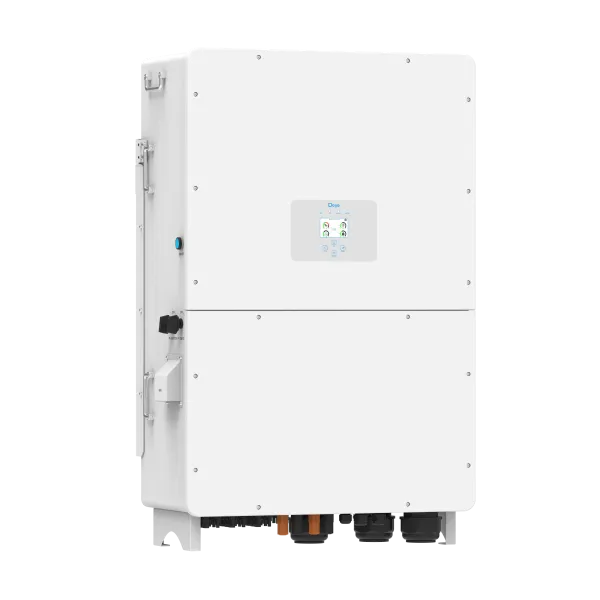
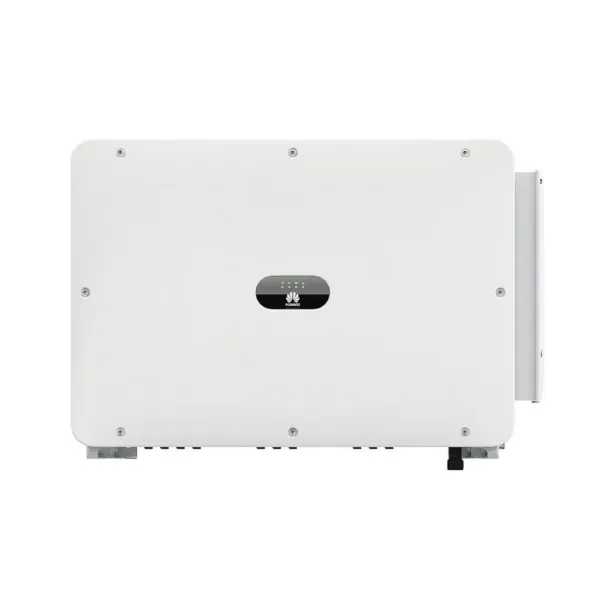
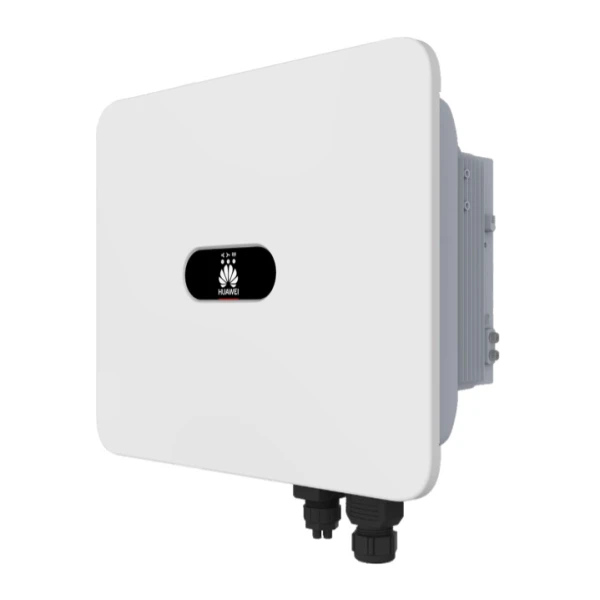
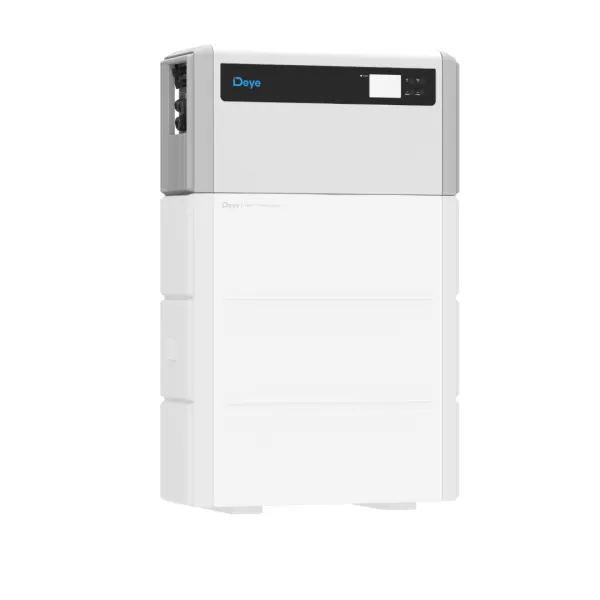
The most important metric is energy (kWh), which shows how much a given solar panel or string has produced in a day, month, or year. In addition, many systems also provide instantaneous power data, voltage, and current values, which can be used to more accurately determine the nature of any faults. Modern inverters, especially Deye and other smart inverters, are capable of providing detailed data on each string or module panel, enabling more efficient fault detection.
The data from the inverter is particularly important, as it reflects the energy that is actually converted and fed into the grid. When evaluating the productivity of a solar system, it is therefore not enough to look at the daily yield alone; detailed data helps to determine whether the drop in performance is the result of shading, contamination, or a genuine technical fault. It is therefore worth reviewing performance reports regularly, as this data is the most effective way to identify problems before they cause long-term damage to the system.
The role of inverter data in fault detection
Inverter data plays a key role in the timely detection of a faulty solar panel or even a solar panel inverter fault. This is because the inverter not only measures the converted energy, but also continuously monitors the voltage, current, and power values, typically broken down by string. This data provides an accurate picture of how individual solar panels or groups of solar panels behave under the same conditions.
If a string consistently shows lower voltage or power than the others, this often indicates a technical fault or design problem, or possibly uncalculated shading. Modern inverters also assist in diagnosis with built-in error codes and alarms, so that the monitoring system can often detect the problem before it causes a noticeable drop in production. This is particularly important for long-term reliable and safe operation.
When should we suspect a faulty solar panel based on the production curve?
The production curve is one of the most important visual tools for assessing whether there is a problem with a faulty solar panel or solar panel system. The production curve of a properly functioning solar panel system is typically bell-shaped in clear weather: a gradual rise in the morning, peak performance around noon, and then a steady decline in the case of a south-facing orientation. If there is a persistent or recurring deviation from this pattern, it is cause for suspicion.
A "break" in the production curve, where sudden drops occur during sunny weather and performance does not return to the expected level, may indicate a problem. These anomalies can often be the result of a solar panel or solar inverter failure.
It is important to emphasize that one-time deviations do not in themselves indicate a technical fault. The suspicion becomes justified if the deviation occurs on several consecutive days at similar times of day, or if underperformance is observed in comparison with systems with the same orientation. Regular analysis of production curves is therefore crucial for maintaining long-term, stable operation.
Analysis of differences between strings
One of the most effective methods for identifying faulty solar panels is to compare the performance of the strings. A pair of strings with the same orientation, tilt angle, and number of panels should show nearly identical production values. If one string consistently produces a lower yield, this can be a serious warning sign of a faulty solar panel system.
Based on monitoring data, a deviation of 3-5% is generally acceptable, but if this deviation consistently exceeds 8-10%, there is a high probability of a technical fault. This could be a damaged panel or contamination. It is important that the comparison always refers to the same period and similar weather conditions, otherwise the conclusions may be misleading.
String-by-string analysis is particularly useful for smaller systems, where a single faulty component can cause a significant drop in performance for the entire system.
Comparison of daily, monthly, and annual yields
One of the most reliable ways to identify a faulty solar panel is to compare yield data over different time periods. Daily production data provides quick feedback on current performance, but on its own it can be misleading due to the strong influence of weather conditions. It is therefore particularly important to examine monthly and annual yields, where long-term performance changes are clearly visible.
If a solar panel system shows an increasing monthly decline compared to the same period in the previous year, while weather data does not justify this, then it is reasonable to suspect a technical problem. Analyzing annual data helps to filter out slow processes such as PID solar panel failure or the gradual aging of individual modules. Examining data from different time scales together provides a comprehensive picture of the true state of the system and prevents hidden faults from going unnoticed for a long time.
Shading or technical fault? – Recognizing the differences
When analyzing production data, one of the most common questions is whether the drop in performance is caused by shading or a genuine technical fault. It is crucial to distinguish between the two, because while shading typically shows a periodic and predictable pattern, a faulty solar panel will cause a permanent drop in production.
Shading usually occurs at certain times of the day: for example, performance drops in the morning or late afternoon, and then the curve returns to its usual level. In contrast, in the case of a technical fault, the production curve remains lower throughout the day, or unjustified fluctuations appear even in sunny weather.
If the drop in performance persists under the same weather conditions or recurs over several days, it is highly likely that the cause is not shading but a technical problem.
Detecting solar inverter faults with monitoring software
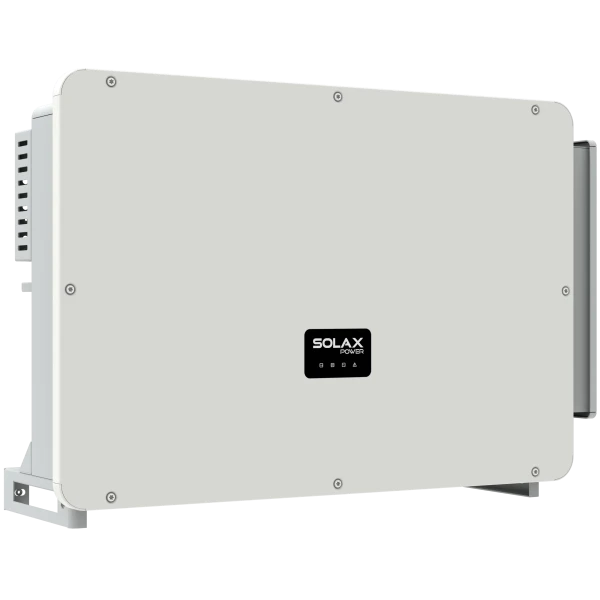
One of the biggest advantages of modern solar systems is that they can be continuously monitored with advanced monitoring software. These systems collect and analyze data in real time using the inverter, so solar inverter faults can often be detected at an early stage, before they cause a significant drop in production. The monitoring interfaces allow you to easily track performance trends, voltage and current values, and differences between individual strings.
Modern inverters and monitoring systems send automatic error messages and alarms if the measured data deviates from the optimal operating range. Such deviations can include, for example, unjustified voltage drops, overheating, or frequent inverter restarts. These signs may indicate not only an inverter fault, but also an underlying solar panel fault or a faulty solar panel system.
When is it necessary to involve a specialist for an accurate diagnosis?
Although analysis of production data is often sufficient to identify a faulty solar panel or solar panel system, there are situations where it is definitely necessary to involve a specialist. If the drop in production is persistent, persists over several measurement periods, and the data does not clearly indicate whether the cause is a solar panel fault, PID, or solar panel inverter fault, then it is no longer advisable to rely solely on monitoring data.
A specialist can use instrumental measurements—such as insulation resistance, thermal imaging, or IV curve testing—to accurately determine the source of the problem. This is especially important when it comes to the long-term safety of the system, warranty issues, or higher-performance systems. In such cases, procrastination can lead to further performance degradation and even permanent damage.
Overall, data analysis is an excellent first step, but at a certain point, professional intervention is essential for an accurate diagnosis.