How solar panels work during a power outage
How solar panels work during a power outage
Many people are already familiar with how solar panel systems work, but their behavior during power outages is still often misunderstood. It makes a difference whether it is a planned power outage, an unexpected fault, or network maintenance. In most cases, solar panels automatically shut down, which surprises many people. In the first part of this article, we explain what happens to solar panels in such situations and why the inverter switches off.
In the second part, we will discuss when the system can operate during a power outage, what role the hybrid inverter plays, and how the solar panel behaves when it is producing power while there is no grid voltage. In addition, we will take a detailed look at the operation of stand-alone and backup solutions that enable emergency power supply.
What happens to the solar panel during a planned power outage?
Most grid-connected solar panel systems behave the same way during a planned power outage as they do during an unexpected grid failure: the inverter automatically shuts down, so the solar panel does not feed energy into the grid during a power outage and does not power the house. This comes as a surprise to many users, as it would seem logical that if the sun is shining, the system should be generating power. In reality, however, grid regulations—primarily to avoid islanding—strictly prohibit feed-in until the utility grid is stable. For this reason, the same process takes place during a power outage with solar panels: the inverter detects the voltage drop, stops operating, and prevents the system from feeding any energy into the grid.
From the user's point of view, this means that household appliances and consumers do not receive any energy, even if the solar panels on the roof are generating it. The system therefore adapts to the status of the grid. The only exception is when a special hybrid inverter and battery storage are available, which can supply power to the household in backup mode.
Why does the inverter shut down in the event of a power failure?
The primary reason for the inverter switching off is anti-islanding protection based on safety regulations. According to international and domestic standards, a solar inverter can operate as long as it detects stable voltage and frequency from the utility grid. In the event of a power outage, however, it immediately interrupts production so that no electricity can flow back into the grid. There are two main reasons for this:
- Installer safety: during maintenance or repairs, utility company technicians would be in mortal danger if household systems were to feed back into the grid.
- Grid stability: inverters would cause unpredictable operation in the event of load and frequency deviations.
In practice, this is a very fast, automatic process: as soon as the utility grid disappears, the inverter shuts down and only restarts when the voltage and frequency return to the standard range.
Differences between on-grid and off-grid solar systems during a power outage
The most important difference between the two systems is that grid-connected, or on-grid, systems are not capable of operating independently during a power outage, while off-grid systems are designed to operate stably without a grid connection. During a power outage, the on-grid inverter shuts down because it does not detect any external voltage, so the house receives no energy, even if the solar panels are receiving sufficient sunlight. In this case, it is not possible to supply consumers or charge the battery.
In contrast, off-grid systems do not require an external grid. The battery ensures a stable voltage, so a power outage is essentially meaningless for the system; the power supply remains continuous on the house's own internal grid. Modern hybrid systems represent a transition between the two solutions: in normal operation, they rely on the grid, but in the event of a power outage, they automatically disconnect from it and create their own island operation to power critical consumers.
When can a solar power system operate during a power outage?
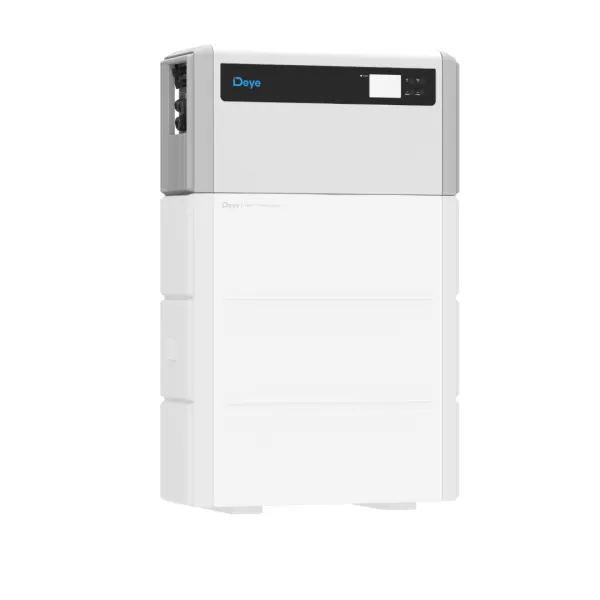
A solar power system can only operate during a power outage if it has technological components that can provide stable alternating current even without a grid connection. Since the inverters of conventional grid-connected systems only start up when they detect voltage from the utility grid, they cannot operate on their own. Therefore, a solution is needed that can take over the role of the grid. In practice, this is usually provided by a hybrid inverter and battery energy storage .
During a power outage, the household will have access to energy if the system is able to independently create an artificial grid reference, i.e., switch to backup or island mode.
The role of a hybrid inverter during a power outage
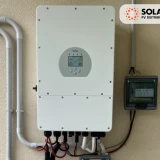
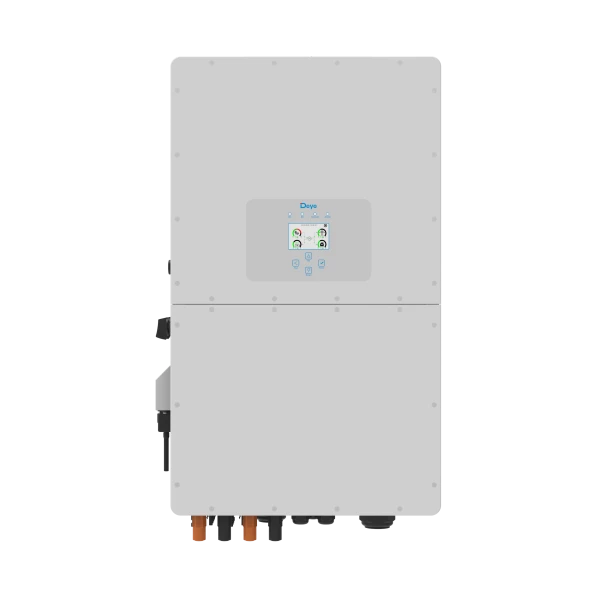
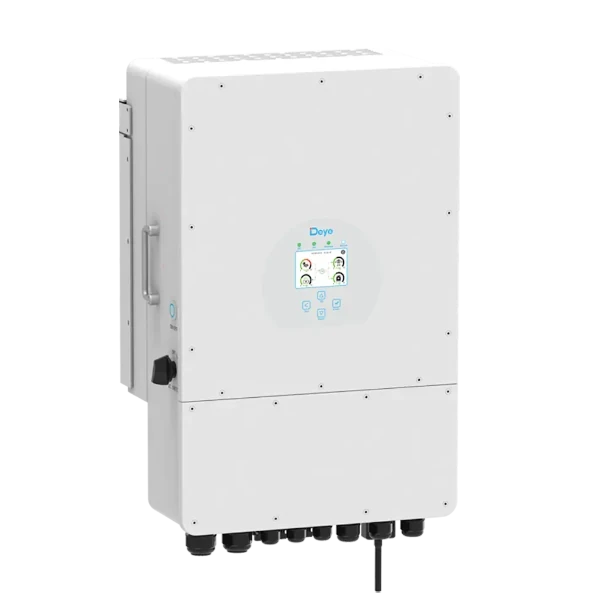
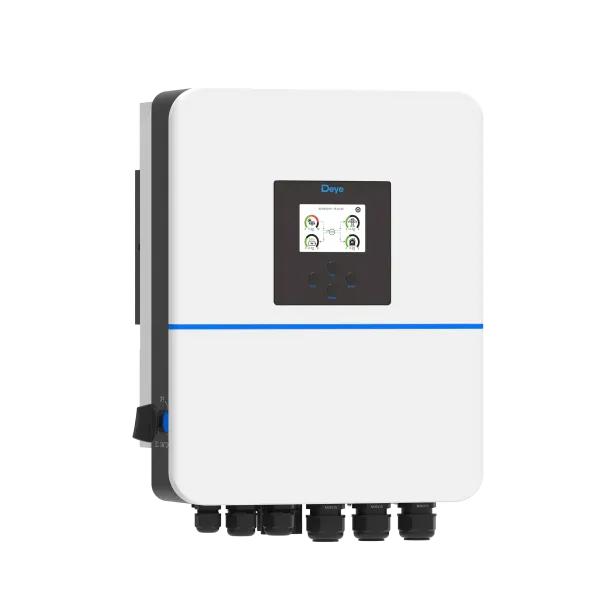
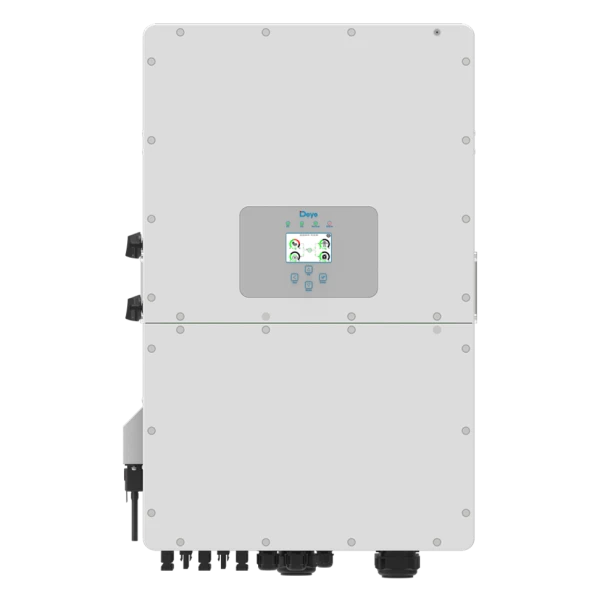
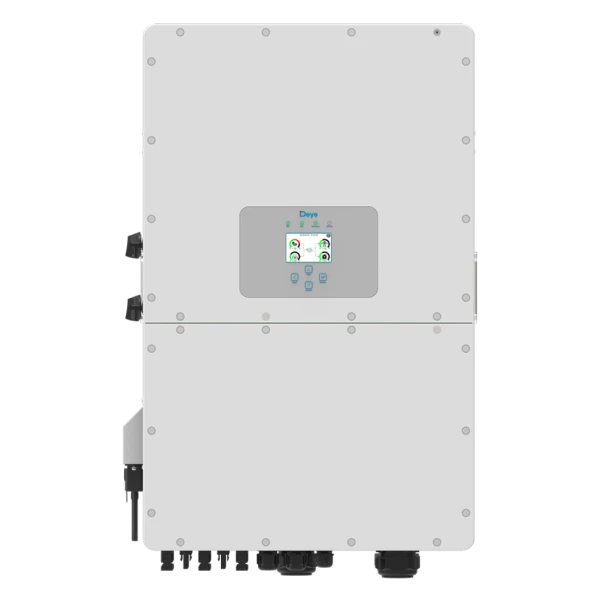
The hybrid inverter is the key device that allows a solar system to continue operating during a power outage. The hybrid inverter detects the grid failure and automatically disconnects the system from the utility grid and switches to island mode so that it can continue to operate safely. In this case, it relies on the battery and the current output of the solar panels.
How it works:
- Detects a grid failure – immediately disconnects the feed-in.
- Switches to backup mode – supplies power to the household (e.g., refrigerator, lighting, router, gate opener).
The advantage is that it can provide basic power during a power outage and prevent the house from being completely dark, even during longer outages.
What happens if the solar panel generates power during a power outage?
In the event of a power outage, solar panels cannot supply energy on their own, even if there is plenty of sunshine. However, if the system includes a hybrid inverter and a battery with sufficient capacity, production can continue. In this case, the energy produced by the solar panel is first used to operate the consumer circuits, followed by charging the battery and then, if circumstances permit, using the remaining capacity to supply additional consumers. Even in this case, there can be no feed-back to the utility grid because the system operates in an isolated manner.
How does island operation (backup mode) provide power in an emergency?
The essence of island mode operation is that the hybrid inverter is installed between the grid feed and the internal consumer network of the house. In the event of a power outage, the isolating relay integrated into the inverter interrupts the connection to the external utility grid while continuing to supply power to the household.
Island mode can be maintained as long as the battery has a reserve and the solar panels are able to generate power. If the energy storage device is completely discharged and there is no sunlight, backup mode is terminated and the system shuts down as if there were no solar panels in the household. The design of the island operation is subject to strict electrical safety regulations, including the mandatory use of appropriate isolating relays and anti-islanding protection to ensure that emergency operation remains safe under all circumstances.
SOLARKIT tips and recommendations for ensuring a continuous power supply
Modern solar panel systems are becoming increasingly sophisticated, and today there is no need to resign yourself to your home being plunged into complete darkness during a power outage. Based on SOLARKIT's experience, there are a number of solutions available to help you prepare in advance, ensuring that at least basic functions can be maintained in the event of a power outage. The first and most important step is to be aware when designing the system that a traditional on-grid inverter doesnot workon its own during a power outage, so it is worth considering the use of a hybrid inverter during the design phase.
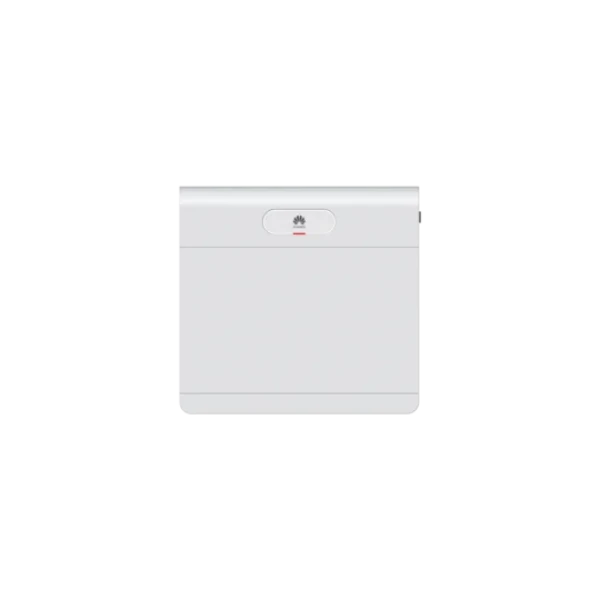
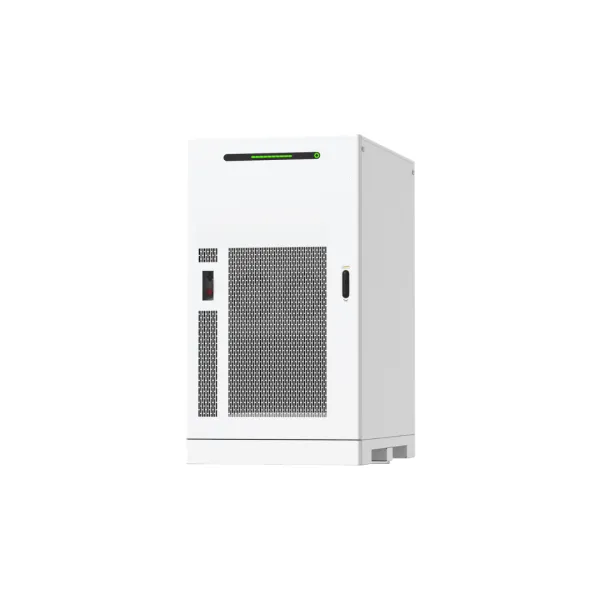
Battery storage connected to hybrid inverters allows critical consumers—such as refrigerators, lighting, the internet, and even electric gates—to continue to operate. It is important to understand that backup power and operating time are determined by battery capacity: the larger the storage capacity, the longer the power supply during a power outage.
Optimizing energy consumption is essential for the long-term reliability of the system. Based on SOLARKIT's experience, hybrid systems not only offer advantages in the event of a power outage, but also play a role in everyday energy optimization, as they can reduce grid consumption.
FAQ
1. Does the solar panel work during a power outage?
Not normally. A conventional grid-connected inverter immediately disconnects the system in the event of a power outage, so the solar panels cannot provide energy. The system can only operate during a power outage with a hybrid inverter and battery.
2. Why don't solar panels generate power during a power outage when the sun is shining?
For safety reasons: the inverter cannot feed back into the grid until the voltage is stable, as this would endanger the technicians working on the grid. This is what the so-called anti-islanding protection is for.
3. How many consumers can a hybrid inverter supply during a power outage?
This depends on the capacity of the battery and the backup power of the inverter. Generally, critical consumers (refrigerator, internet, lighting, electric gate) can be operated, as well as high-power equipment.
4. What happens if the power outage lasts longer?
If the battery runs out and there is not enough sunlight to recharge it, the system will shut down. Backup operation only works as long as energy is available.
5. How can I ensure that my home has power during a power outage?
A hybrid inverter + battery storage is required, as well as appropriate electrical installation, as in this case the inverter is connected in a different way. Proper sizing – battery capacity, inverter power – is a basic requirement for reliable operation.