Single-phase or three-phase solar power system: Design considerations
Single-phase or three-phase solar power system: Design considerations
When designing solar power systems, one of the most important decisions is whether to opt for a single-phase or three-phase system. The number of phases not only determines how the system is connected to the grid, but also affects the efficiency of the system, the type of inverter required, and future expansion options. The decision must take into account the electrical requirements of the property, the available infrastructure, and future development plans, such as electric car charging or the use of heat pumps.
In this article, we will take a look at what a three-phase connection means, what its advantages are, what challenges phase expansion poses, how to achieve the correct color sequence and connection, and we will also discuss electrical installation tools. We present the characteristics of single-phase systems, how inverters work, and when it is better to switch to three-phase. Finally, we share practical advice from SOLARKIT experts to help you make informed decisions during the planning process.

Choosing the right number of phases: phase expansion, 3-phase connection, distribution in the home
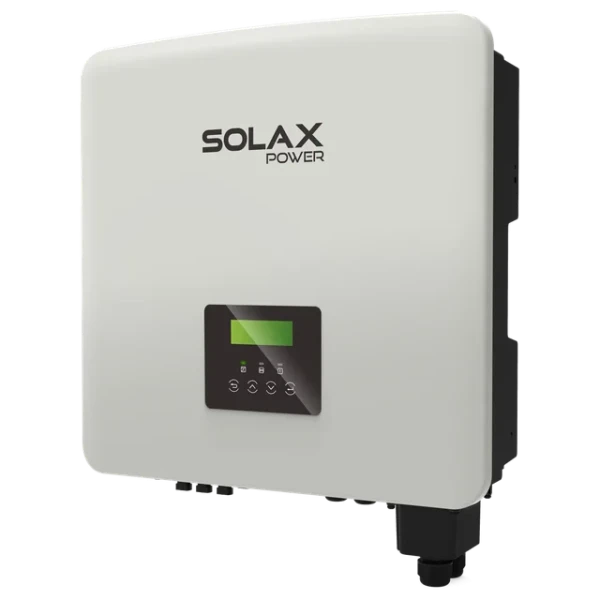
The first question is whether the existing electrical network is single-phase or three-phase. In the case of a single-phase system, it may be sufficient to install a single-phase solar inverter, but in the case of a three-phase system, it is advisable to use a three-phase inverter when connecting the three phases.
It is important to note that if the system's power exceeds 2.5 kW, only three-phase inverters may be used for connection to the grid in Hungary. The advantages of a three-phase system include better load distribution and the possibility of larger system sizes.
In addition, a three-phase system allows for an inverter power of up to 50 kW, while a single-phase system is typically limited to around 2.5 kW – this is a significant difference, for example, in larger households or in the case of heat pump or EV charging upgrades.
Phase expansion (switching from 1 phase to 3 phases) can be a lengthy process: it involves submitting a request to the service provider, installing a new meter and obtaining network approval, and can take up to several months to complete the electrical installation .
This requires serious preparation, as it must be started before the solar panels are installed. Although the three-phase system is more expensive from an economic point of view, it pays for itself in the long term (over 8–10 years) through higher production and more efficient network use.
What does 3-phase mean and what are its advantages?
The three-phase system consists of three alternating phases that operate with a 120° phase shift, which ensures continuous, balanced energy and is therefore more advantageous for industrial and larger household appliances. Three-phase allows for higher load capacity, less power fluctuation, and more stable operation of multiple consumers.
1 phase or 3 phases? The possibilities and challenges of conversion and phase expansion
If you currently have a single-phase connection but want a more powerful system, you can opt for phase expansion, which involves switching to a three-phase connection. This involves submitting a request to your service provider, installing a new meter and a process that can take up to several months, but it results in more efficient energy distribution in the long run. An alternative solution is to use a frequency converter from 1 phase to 3 phases, but this is a complex and less efficient option.
3-phase colors and the correct color sequence
In newer systems in Hungary, according to the IEC standard, the colors of the phase conductors are: L1 – brown, L2 – black, L3 – gray; neutral (N) is blue, and earth (PE) is green and yellow striped. Maintaining the phase sequence is critical for the correct rotation of rotating machines (e.g. motors); in other circuits, testing can be used to check which sequence is working correctly.
Characteristics and applications of single-phase solar panel systems and inverters
Single-phase solar power systems are ideal for single-family homes and smaller consumer needs. In these systems, the inverter converts the direct current generated by the panels into alternating current (230 V, 50 Hz, 1 phase), which is fed directly into the household grid and to the utility company.In Hungary , these inverters are typically used for outputs of up to 2.5 kW. They are compact, easy to install and more affordable. It is important to compare different solar inverters.
Connection of a single-phase electricity meter and surge arrester
A two-way meter is essential for single-phase systems, as it measures both the energy fed back and the energy consumed – without this, commissioning is not permitted. In addition, the installation of a surge protection device (SPD) is important to protect against mains surges, such as lightning strikes. The correct positioning of varistor and combined SPDs after the meter and circuit breaker ensures effective protection of the system.
Connecting 3 phases to 1 phase
If three-phase consumption is required but the network only provides single-phase power, there are two possible solutions. One is to use three single-phase inverters, each connected to a separate phase – however, this is costly and complex, as it will be an isolated system since the network can only connect to one of them. The other option is to use a frequency converter, which converts the output of the single-phase inverter to three-phase; however, the disadvantage is greater complexity and potential loss of efficiency. Neither is recommended unless there is a technical and economic justification.
Design guidelines: when and what to choose?
When designing a solar power system, the first step is to thoroughly map outthe consumption profile: knowledge of monthly and annual consumption, peak times, and energy requirements is essential. The optimal system performance can be easily estimated using SolarKit's online calculators. This is followed by the selection of the appropriate size of inverter: a 2.5 kW single-phase inverter is typically sufficient for single-family homes, while a three-phase system is recommended for higher demands (e.g., electric cars, heat pumps).
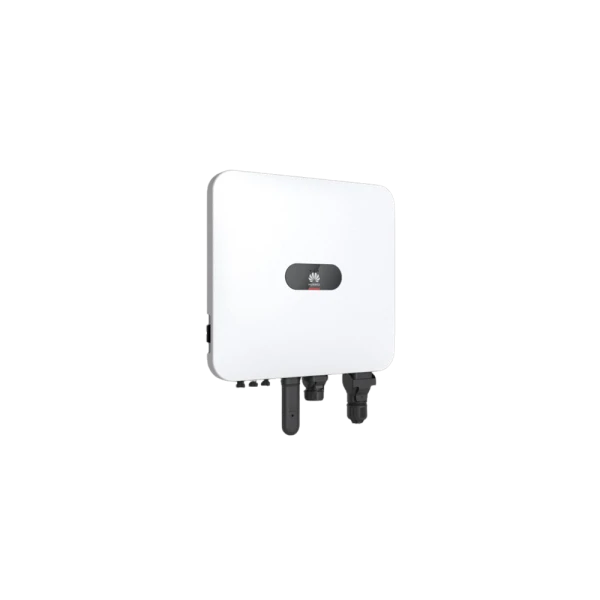
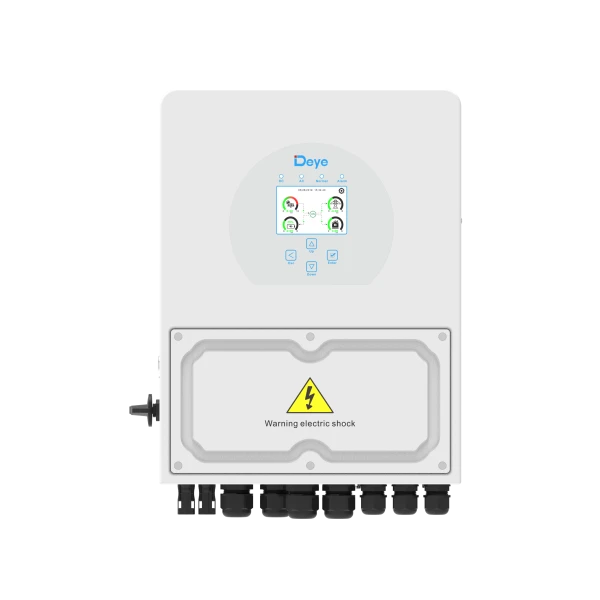
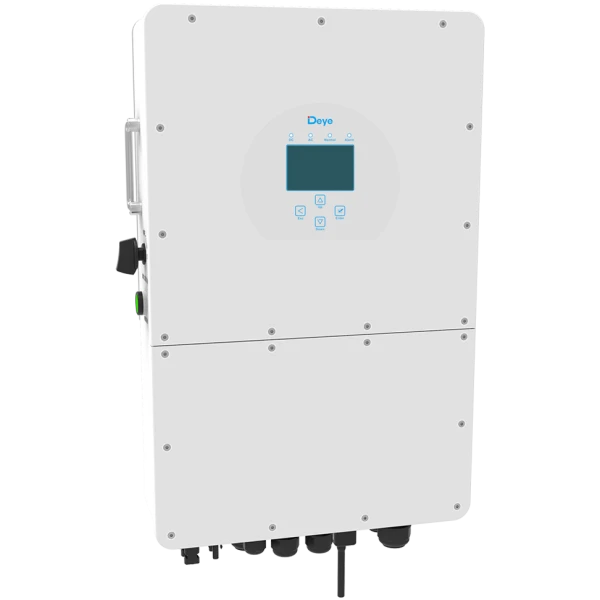
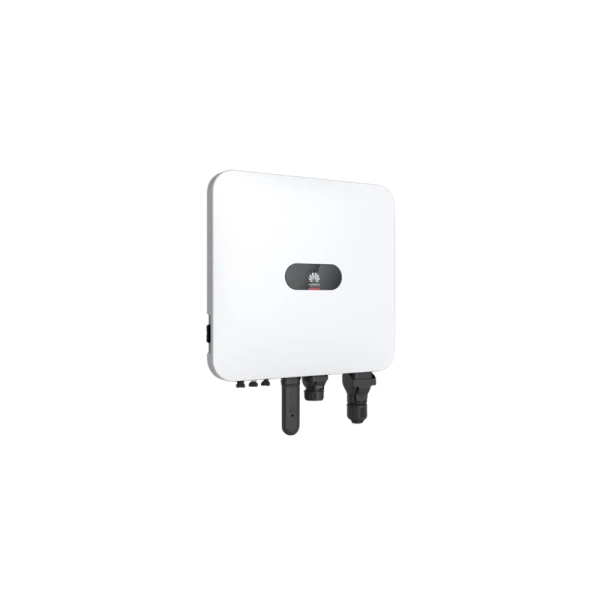
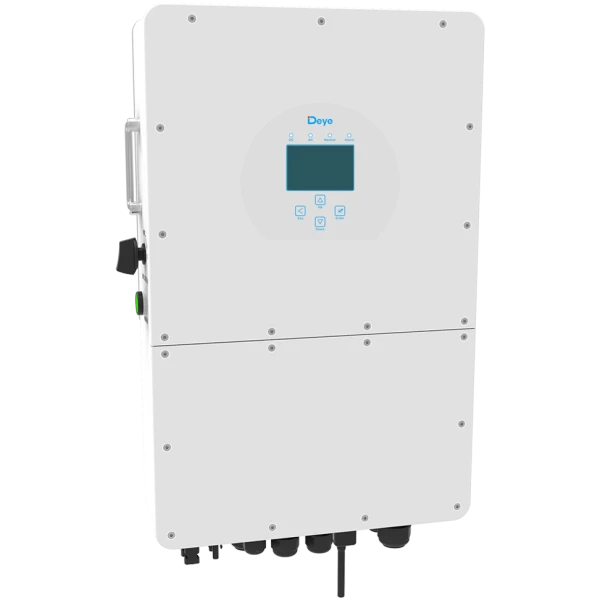
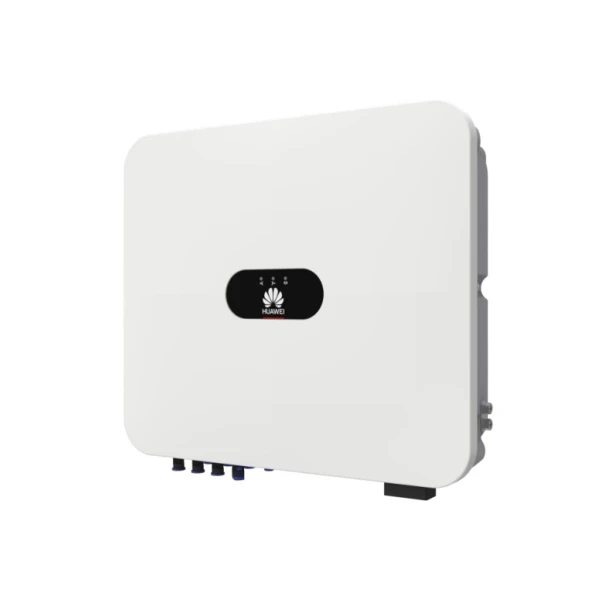
A single-phase system is ideal if the household's power consumption does not exceed 3-3.5 kW. It is simple, cost-effective and quick to install. When installing the inverter, make sure you have proper surge protection and a bidirectional electricity meter—without these, the system won't work. For maximum efficiency, choose an inverter that can optimize voltage range and monitoring, such as solutions from SolarEdge, Huawei, and Deye.
A three-phase system is recommended if consumption regularly exceeds the 5 kW threshold. In this case, phase expansion – i.e., converting a single-phase connection to a three-phase connection – is necessary. However, this requires more administration, the installation of new meters and network permits, which can take weeks or even months. The major advantage of a three-phase system is its balanced load and higher maximum power, which prevents phase overload.
It is also important to consider the characteristics of the building: is there enough roof space for the necessary panels, is there any shading, and what are the dimensions of the inverter and cables? SolarKit experts recommend designing the system based on these site conditions. This avoids oversizing and ensures the most economical return on investment.
Overall, if your demand is less than 5 kW, choose single-phase – it's fast, low-cost, and simple. If you're planning for more power (e.g., heat pump, simultaneous use of an electric car), you'll needa three-phase system for efficiency and stability – even if it means a higher initial investment. In both cases, it is essential to ensure that the system is properly balanced and protected.
SOLARKIT design tips
SOLARKIT experts recommend that you always start with an analysis of your current consumption when designing a solar power system: measure how much power you need on a daily, weekly and seasonal basis. If your consumption is typically single-phase (e.g., lighting, heating, small household appliances) and your power requirement is less than 5 kW, a single-phase systemis the most cost-effective choice.
However, if you need a larger system – for example, for a heat pump, electric car charging or larger household appliances (washing machine, dishwasher) – it is worth opting fora three-phase system, as this canprovide a lower current load on each phase and avoid overloads.
FAQ (Frequently Asked Questions)
1. What is a frequency converter and why is it used to convert single-phase to three-phase?
A frequency converter electronically converts the output of a single-phase inverter to three-phase. It is worth using when there are few phases but it is necessary to operate certain appliances: however, it is more expensive and less efficient in terms of its effect.
2. What rules apply to the power of single-phase inverters in Hungary?
From April 30, 2021, a maximum power of 2.5 (2.5 kVA) is permitted for single-phase inverters connected to the grid. Above this, the use of a three-phase system is mandatory.
3. Why is the correct color sequence important in a three-phase system?
Maintaining the correct color sequence (L1 brown, L2 black, L3 gray) is essential for the proper rotation of rotating machines (e.g., motors). Incorrect sequence can result in noisy operation or damage.
4. What are the advantages of a three-phase system in a family home?
Main advantages: balanced load, lower current demand per phase, resulting in more stable and reliable system safety in the long term.
5. Is it necessary to install a separate surge protector for a single-phase inverter?
Yes, the use of an SPD (surge protector) is mandatory, as it protects the inverter and the household electrical system from power surges (e.g., lightning, voltage fluctuations due to switching).