Connecting solar panels to the electrical grid: when is it worth it and when is it not?
Connecting solar panels to the electrical grid may seem like an easy decision at first glance: generate your own electricity and reduce your electricity bill. However, in reality, there are many factors to consider before making a decision, whether it be technical conditions, the regulatory environment, or calculating the return on investment. In this blog post, we will take a detailed look at when it is worthwhile to connect a solar panel system to the grid, when a permit is required, and what factors need to be taken into account when planning your exact electricity consumption requirements.
We also discuss when it may be better to install a stand-alone, off-grid system, and look at how gross settlement affects the return on investment. In addition, we use practical examples to show how to calculate your electricity bill with gross settlement and what it means to achieve a negative electricity bill. If you are considering installing a solar power system, this article will help you navigate the most important issues leading up to your decision, including the installation of energy storage.
The structure and operating principle of a grid-connected solar power system
Grid-connected solar panel systems are the most common solution for those who want to use solar energy while remaining connected to their energy supplier. The main feature of this type of system is that the electricity generated is not only consumed by the household, but any surplus energy is fed back into the grid, thereby reducing electricity bills. But how is such a system constructed and how does it work?
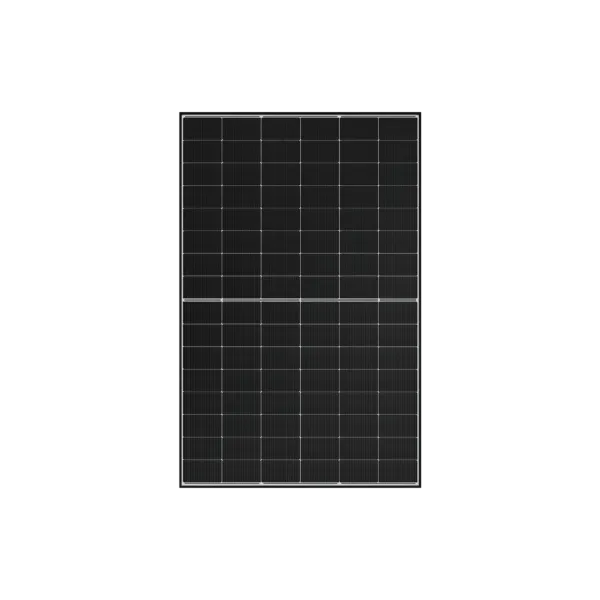
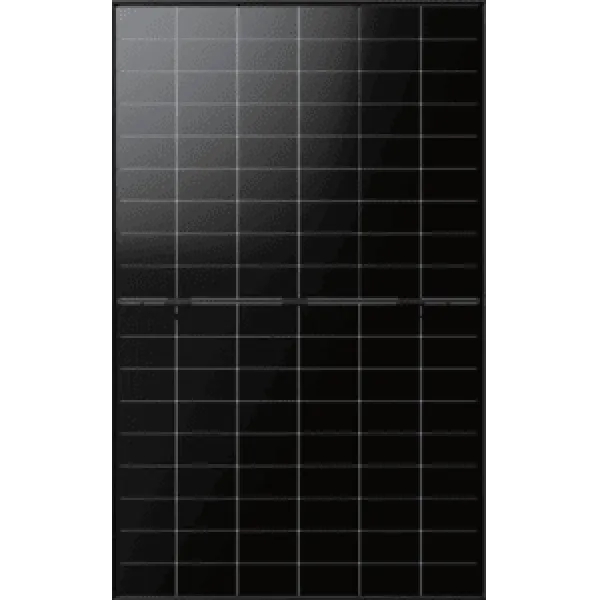
The system is based on solar panels, which convert electromagnetic radiation directly into electrical energy using photovoltaic (PV) technology. The solar panels are connected to our household's electrical network via inverters, which convert the direct current into alternating current so that our electrical appliances can work. Inverters are the heart of the solar panel system, as they ensure that all energy is properly distributed to the household and, if more energy is generated than we use, it is fed back into the central electricity grid.
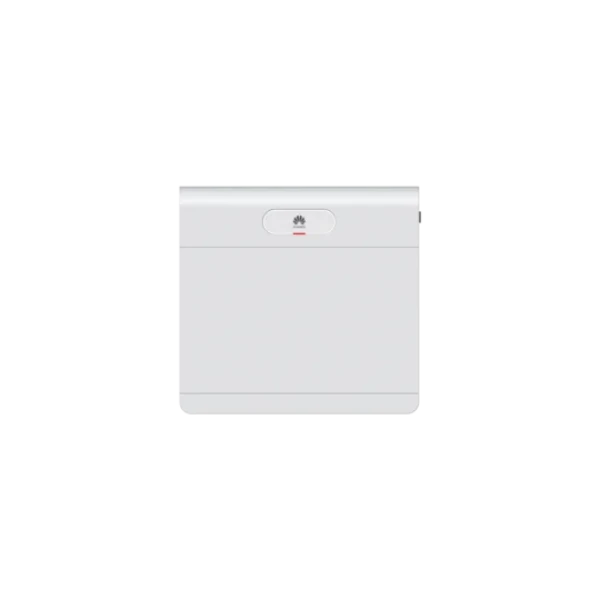
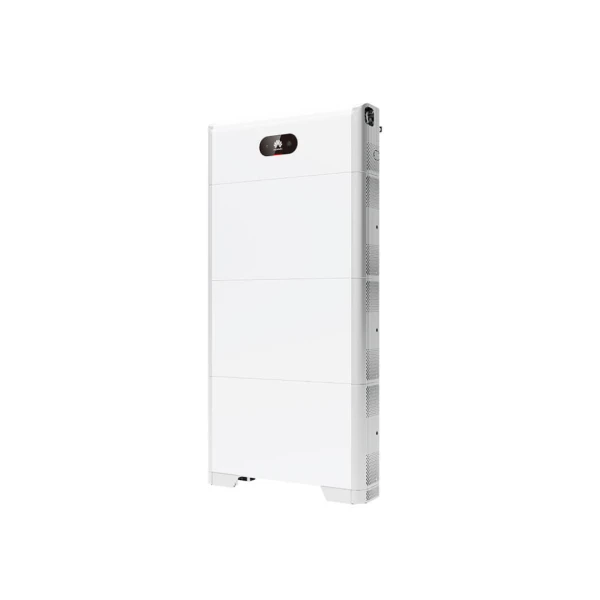
One of the advantages of grid-connected solar power systems is that they do not require batteries to store energy, although high-capacity batteries can be optionally integrated into the system to further increase self-sufficiency and consumption flexibility.
The system requires the connection of the electrical grid and the solar panel system, which is technically simple, but obtaining the appropriate permits and complying with regulations is essential for smooth operation. In order to connect such a solar panel system to the grid, it is important to design the system properly so that the energy produced is optimally utilized in our household and on the grid.

When is it necessary to obtain a permit for a solar power system?
Before installing a solar power system, it is important to know when you need to apply for a permit. It is important to note that in Hungary, a permit is required in all cases.
The permit procedure involves submitting all the necessary documents and plans to the local service provider to ensure that the system is properly connected to the grid and operates safely. Compliance with installation and operating regulations is important for the long-term operation of the system.
How much does a solar panel system generate per day? – kWh limits and regulations
The daily output of solar panel systems depends on the climate, the performance of the system, and the number of hours of sunshine per year. For an average household, daily output ranges from 3 to 5 kWh, but if the system is well-sized, it can produce even more.
Regulations also affect the amount of energy, as the amount of feed-in and the corresponding remuneration are regulated. Service providers apply different pricing models that take into account the number of hours of sunshine available in each area.
Negative electricity bills: how can they be achieved and when can they be expected?
This goal can be achieved if the solar panel system generates more energy than the household consumes. In this case, the provider takes back part of the energy generated and credits it to the customer, which can be deducted from the electricity bill in the following months.
However, to achieve this, it is important that the system is properly sized. Proper design and appropriate system size ensure that the solar panels generate more energy than the household's daily energy needs, so that excess energy can be fed into the grid.
Electricity consumption calculation: how to plan accurately?
Estimating electricity consumption is essential for a solar panel system to work as efficiently as possible. When sizing solar panels, it is important that the energy produced covers the household's daily needs and also provides a small reserve for cloudy days.
Before getting a permit for solar panels, think about future expansion needs!
Before starting the installation of a solar power system, it is worth planning ahead for future expansion needs. If your household's energy consumption is expected to increase, it is advisable to install a system that allows for future expansion. Expanding solar panel systems is easier and more cost-effective if the initial installation takes future needs into account.
Off-grid solar power systems: when is this solution more suitable?
Off-grid solar systems, also known as stand-alone systems, are ideal for those who do not want to or cannot use the local electricity grid, for example in rural areas. Stand-alone systems use individual batteries to store the energy generated, ensuring energy supply even outside daylight hours.
Using stand-alone solar panels without an electrical grid
One of the major advantages of stand-alone solar panel systems is that you can become completely independent from the grid, as the energy stored in the batteries is obtained from daytime production. These types of systems are ideal for those who live in rural areas and do not have access to a reliable electricity grid. The initial costs may be higher than for grid-connected systems, but the independence and long-term return on investment offer an attractive option.
Net metering and solar panel investment: how does the return change?
Net metering allows you to not only use the energy generated by your solar panel system, but also feed it back into the local electricity grid. The aim of net metering is to ensure that surplus energy is not lost, but instead provides a financial credit, which reduces the cost of the system. In addition, symmetrical systems shut down completely in the event of a power outage, so it is particularly fortunate if this is not necessary. It follows that the benefit is not that we can sell the energy, but that we can use the solar power in the phase where we use it.
Calculation of the electricity bill with gross solar accounting
With gross billing, part of the energy generated goes to the utility company and we receive a credit in cash. The electricity bill can therefore be reduced, as the energy generated is not only used immediately, but can also be fed back into the grid. The exact payback period depends on the amount of energy generated by the solar panels, annual energy consumption, and electricity tariffs.
Installing solar panels and connecting them to the grid can be an excellent way to use sustainable energy and reduce your electricity bill. One of the advantages of grid-connected systems is that the energy generated can not only be used, but any surplus can also be fed back into the local electricity grid, resulting in a financial credit. Precise planning and proper sizing are key to efficient operation so that the system perfectly matches the energy needs of the household.
In addition, stand-alone solar power systems may be the best solution for those who want to become completely independent from the local electricity grid, for example in rural areas. The initial costs of such systems are higher, but in the long term, independence and return on investment offer attractive opportunities.
The possibility ofgross settlement ensures that the energy generated is not lost but provides a monetary credit, which reduces the cost of the system and thus helps to achieve a faster return on investment.
When installing a solar power system, it is important to consider the necessary permits, the design of the solar power system, and future expansion needs before installation. Proper planning can help ensure that the system will continue to function properly in the future.
FAQ - Frequently Asked Questions
1. What are the advantages of grid-connected solar power systems?
The biggest advantage of grid-connected solar power systems is that the energy generated can not only be used in the household, but any surplus energy can also be fed back into the grid, thus reducing electricity bills. In addition, there is no need to use batteries to store energy, as the grid provides storage.
2. When is a permit required before installing a solar power system?
Unless it is an off-grid system, a permit is required in all cases in Hungary.
3. What is a negative electricity bill and how can it be achieved?
In the case of gross billing, you have to feed in seven times as much as you consume. In this case, the service provider will credit you for the energy fed back, which you can deduct from your electricity bill in the following months.
4. Why is it important to size solar panels correctly?
The size of solar panels is crucial because a system that is too small will not generate enough energy, while a system that is too large can result in unnecessarily high costs. Proper sizing helps ensure that the system meets the energy needs of the household and that the best possible return on investment is achieved.
5. What is the difference between grid-connected and off-grid solar power systems?
A grid-connected solar power system allows the energy produced to be fed back into the local electricity grid, while a stand-alone system is completely independent of the grid. Stand-alone systems store energy in batteries, while grid-connected systems do not require batteries as they use the grid as storage.
6. How does net metering affect the return on investment of a solar power system?
Net metering allows the energy generated to be used not only by the household, but also to be fed back to the utility company. This results in a credit, which can reduce the cost of the system and thus accelerate its return on investment.
7. Why is it important to consider future expansion needs before installing a solar power system?
Planning for future expansion needs in advance ensures that the installed system will be able to meet the household's growing energy consumption in the future. By thinking ahead about expansion, you can avoid the system becoming too small later on and having to install a new, more expensive system. In this case, it is a good idea to choose a larger inverter, as the cost difference is minimal and no further permits are required later on.