Passive house and solar panels: how to make your home energy bill-free
Passive house and solar panels: how to make your home energy bill-free
The concept of passive houses is becoming increasingly popular, as it not only meets the demand for environmentally friendly construction, but also helps to make our homes as cost-effective as possible to maintain. Self-sufficient houses, supplemented with solar panel systems, ensure energy independence in the future. But how can we make a passive house completely energy bill-free? In this article, we will show you how to achieve energy independence in your home by combining a passive house with solar panels.
Self-sustaining houses and the freedom of energy independence
A self-sustaining house that follows the principles of passive house design ensures energy independence, reducing energy bills and maximizing energy savings. Energy independence not only saves money, but also contributes to sustainability, bringing us one step closer to an environmentally conscious lifestyle.
The meaning of a passive house
A passive house is a building that operates with extremely low energy consumption. The design of the building is based on solutions such as adequate thermal insulation, windows and doors, passive heating solutions, and the use of solar energy. The goal of passive houses is not only low energy consumption, but also to ensure that the building requires as little energy as possible for its daily operation.
Advantages and disadvantages of self-sustaining, passive houses
The advantages of passive houses include very low maintenance costs, environmentally friendly solutions, and a high level of comfort. Thanks to the building's exceptional insulation, the temperature can be kept constant without incurring high energy costs. However, like all technologies, passive houses also have disadvantages: construction costs may be higher initially, and without proper planning, maximum energy efficiency cannot always be achieved.
A solar panel system is the ideal choice for supplying energy to a self-sufficient house.
Homes built on the principles of passive houses provide an ideal basis for the installation of solar panel systems. Passive houses operate with extremely low energy consumption thanks to energy-efficient solutions such as excellent insulation, special windows and doors, and efficient heating systems. However, in order to maximize the energy efficiency of a passive house, it is essential to have a renewable energy source that makes the home independent of external energy supplies, and that is solar power.
Solar panels are capable of converting the sun's energy directly into electricity, which significantly reduces the cost of energy consumption in the home. Solar energy, as a renewable source, is not only environmentally friendly, but also provides long-term savings, as you no longer have to pay for expensive electricity. In addition, installing a solar panel system in a self-sufficient home not only reduces energy consumption, but also ensures the energy independence of the household.
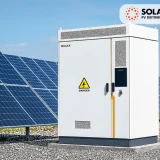
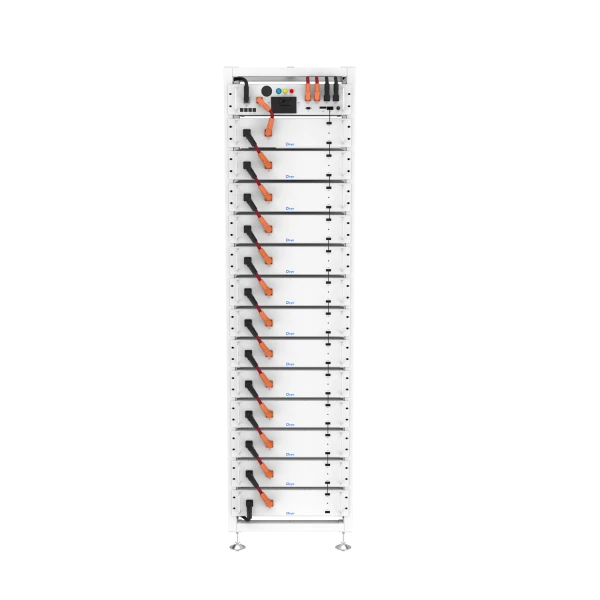
A well-designed solar panel system integrated into a passive house can cover the building's entire energy needs, including heating, lighting, household appliances, and even charging electric cars. Such systems can often produce more energy than is needed, so some of the energy generated can be fed back into the grid, which can also mean extra income for the homeowner. The use of appropriate inverters and batteries ensures that the energy generated can be used even when the sun is not shining, thus providing a completely independent and continuous energy supply.
Solar panels not only increase the energy efficiency of passive houses, but also contribute to a more sustainable and economical future, while reducing the operating costs of the home. Energy independence and low operating costs combine to make solar panel systems one of the best choices for powering a self-sufficient home.
Selecting the required system size and inverter
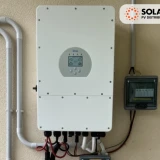
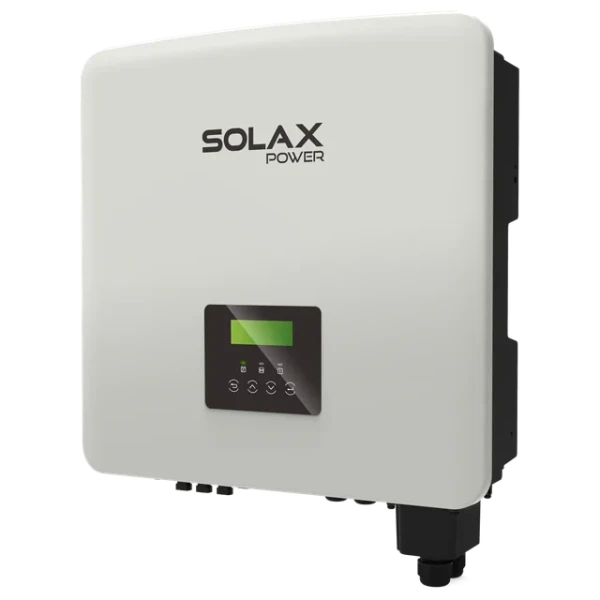
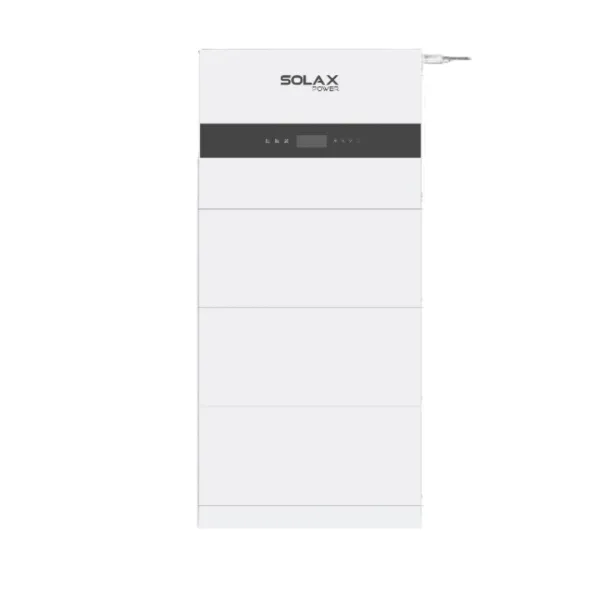
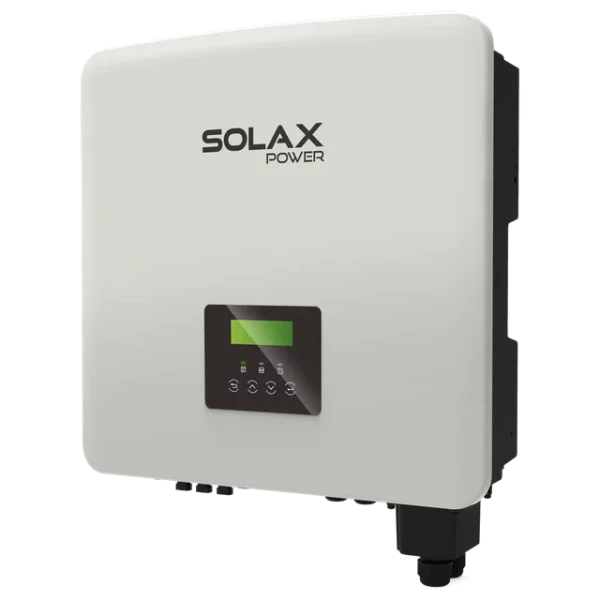
Before installing a solar system, it is important to determine the size of the system required. In order to select the ideal system, the energy consumption of the building, the location of the roof, and the number of hours of sunshine available at the given location must be taken into account. Choosing the right inverter is also crucial, as the inverter is responsible for the proper conversion and use of solar energy. The SolaX hybrid inverter is the ideal choice if you are looking for a system that can integrate batteries, an electric car charger, and a heat pump into one system.
What should you consider when designing a fully self-sufficient home system?
There are a number of factors to consider when designing a fully self-sufficient house. Proper insulation, solar panel system, and water and heating solutions all play a key role in increasing energy efficiency.
It is worth deciding during the construction of a self-sufficient house: Off-grid or grid feed-in?
In addition to solar panels and storage batteries, the question is whether to build an off-grid system or feed the generated energy back into the grid. An off-grid system provides independent energy supply, while a grid-connected system allows you to sell surplus energy to the utility company.
The home of the future is available today!
Homes with completely independent energy supplies are not just a dream, but already available solutions. Innovative technologies, such as the combination of passive houses and solar panel systems, enable more and more families to live independently of energy suppliers.
SOLARKIT inverter recommendations for self-sustaining homes
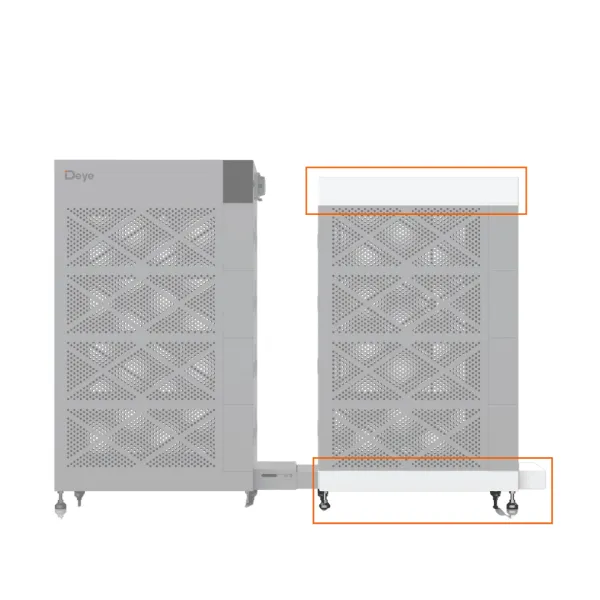
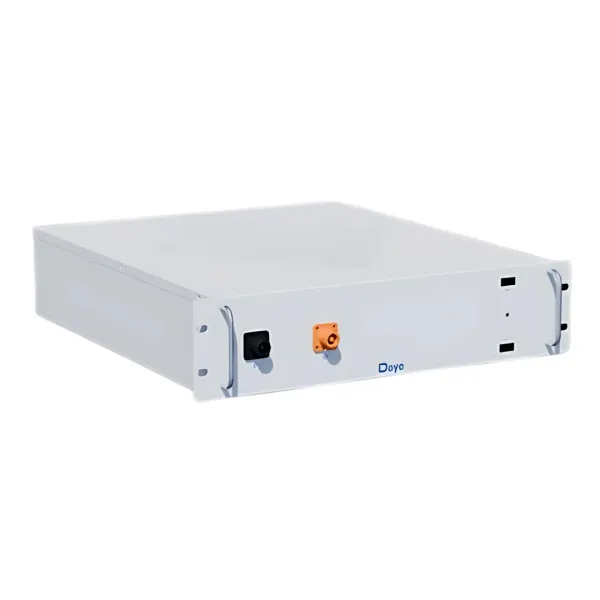
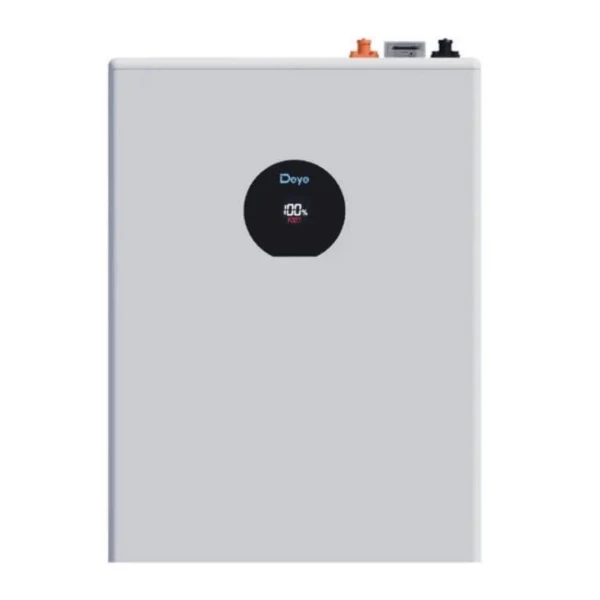
SOLARKIT inverters are the best choice when it comes to designing a self-sufficient home. Inverters help to use solar energy efficiently and ensure a continuous power supply for the house. The Deye SG05LP3 series is a low-voltage solution, the Solax X3 hybrid G4 series is an integrated solution, and the Solax X3 Ultra series is suitable for large properties.
FAQ
1. What are the advantages of a passive house?
The advantages of a passive house include minimal energy consumption, low heating costs, and environmentally friendly solutions.
2. How much does it cost to build a self-sustaining house?
Building self-sustaining houses may involve higher costs initially, but they result in significant savings in the long term.
3. What is the function of an inverter in a solar power system?
An inverter is a device responsible for converting solar energy, which converts direct current into alternating current.
4. How do we choose an inverter?
Choosing the right inverter depends on the energy consumption of the building and the size of the system. SolaX inverters are ideal for self-sufficient houses.
5. Why is it important to optimizesolar panels?
Optimizing solar panels ensures that the system operates at maximum efficiency and that each panel delivers the best performance even in partial or full shade.