Solar or wind energy: which one should we choose for industrial use?
Solar or wind energy: which one should we choose for industrial use?
Renewable energy sources are an essential part of sustainable development and are playing an increasingly important role in the global energy market. In Hungary, solar and wind energy offer great potential for industrial use, but both energy sources have their own advantages and disadvantages. Solar energy can generate significant amounts of energy, especially in southern regions during the summer months, while wind energy can be effective in windy areas, especially in winter. Since both energy sources have different requirements for achieving maximum performance, it is important to consider which energy source is best suited to the location and industrial needs before installation.
Choosing the right energy source affects not only efficiency but also long-term sustainability, so it is worth carefully examining the local environment, infrastructure, and future energy production possibilities. In Hungary, taking into account the geographical location and climatic conditions, we can decide on the most optimal solution, which can be beneficial in terms of both energy production and economy.
Let's choose the right renewable energy source!
Advantages and challenges of solar energy systems on an industrial scale
The industrial-scale application of solar energy is becoming increasingly popular worldwide. Photovoltaic systems are capable of providing a continuous supply of electricity, especially during sunny periods. The advantages of solar panel systems include relatively low maintenance requirements, sustainable operation, and low operating costs.
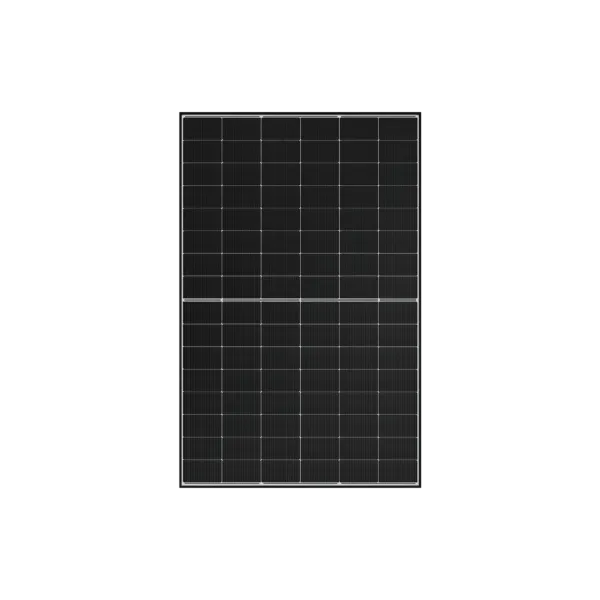
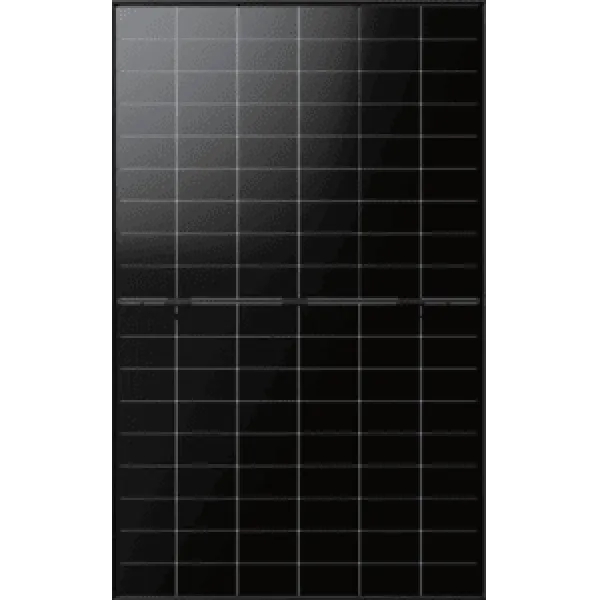
However, the initial cost of installing the system can be high, and since solar energy is only available during the day, energy storage solutions may also be necessary, which further increases costs. Areas suitable for installing these systems are available in Hungary, but proper orientation and unshaded placement are key to achieving maximum efficiency. The efficiency of industrial systems can be further increased by modern n-type solar cells, which offer better temperature performance and slower degradation in the long term.

Wind energy utilization, advantages and disadvantages on an industrial scale in Hungary
Wind energy is another popular alternative, particularly in the flat regions of Hungary and along the Danube. Industrial wind farms are capable of generating significant amounts of electricity, and the installation of wind turbines provides one of the most challenging sources of wind energy. One of the advantages of wind energy is that it can generate electricity continuously, even during cloudy periods.
However, the installation of wind farms requires a significant amount of land, and the efficiency of the systems is fundamentally determined by the prevailing wind conditions and wind speed. One of the biggest disadvantages of using wind energy in Hungary is that in certain areas the wind speed is not sufficient for wind turbines to operate efficiently.
Location, infrastructure, and local conditions are decisive factors in the choice
The installation of renewable energy sources is closely related to the choice of location, as both solar and wind energy systems only operate optimally under the right natural conditions. Solar energy is most suitable for use in south-facing areas, where solar panels receive direct sunlight for most of the day. It is important that there are no obstacles such as trees or tall buildings in the area that could reduce the efficiency of the systems.
In the case of wind energy, wind speed and the location of the wind farm are key factors. In Hungary, the flat plains are ideal for wind farms, as high wind speeds and optimal orientation with the wind direction guarantee high-efficiency energy production. Mountainous and hilly areas are more favorable for solar energy systems, as the wind conditions there are not sufficient for wind turbines to operate efficiently. When deciding on a location, it is therefore important to take into account the natural characteristics of the site and the infrastructure options. One of the basic requirements for a successful project is precise planning and the installation of ahigh-quality solar panel mounting system, as stable mounting and an optimal tilt angle directly influence the level of energy production.
Installation costs and return on investment: solar energy vs. wind energy
Maintenance requirements and operating experience
Maintenance requirements for solar energy systems are relatively low, as solar panels have no moving parts and any malfunctions can be easily identified. Wind energy systems require more frequent maintenance, especially considering the lifespan of the turbines and their blades. The operation of wind farms requires more expertise, and the maintenance costs of wind turbines can also be higher than those of solar panel systems.
Technical considerations: connection options, inverters, regulation
In solar energy systems, inverters and energy storage are key to ensuring system efficiency. Selecting the right inverters and designing the right connection points is essential for the system to run smoothly. In the case of wind energy, connection and control issues can be more complex, as the installation of wind farms requires consideration of different types of generators and the details of their integration into the energy grid.
Regulatory environment and subsidies in Hungary
In Hungary, the use of renewable energy sources is supported by a number of subsidies. Government-level regulations and various tenders provide opportunities for the installation of solar panel systems. Subsidies available to industrial users help reduce the high initial installation costs and contribute to the spread of sustainable energy sources. It is important to carefully review the various regulations and the extent of subsidies in order to minimize installation costs.
Combined systems: Does it make sense to install solar and wind energy together?
Combining solar and wind energy is an option that allows for a continuous energy supply. Solar energy is only available during the day, while wind energy can generate electricity even at night. For some industrial users, it may be worthwhile to combine the two systems to achieve maximum efficiency. Installing such systems can be costly, but they can ensure energy independence in the long term.
SOLARKIT practical advice for solar panel installers
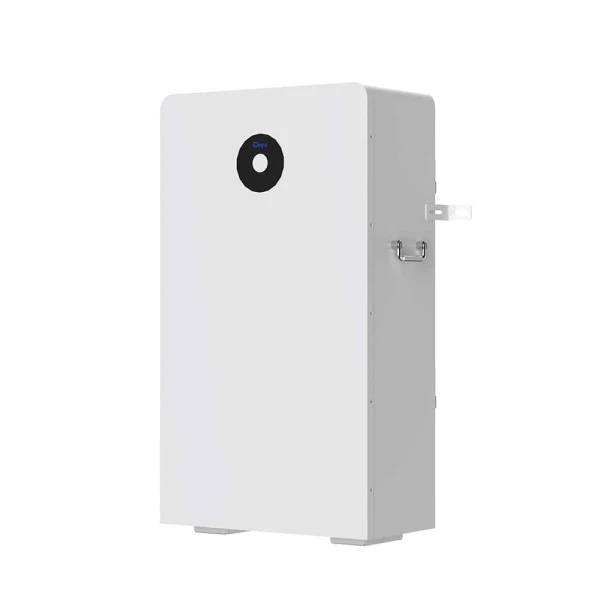
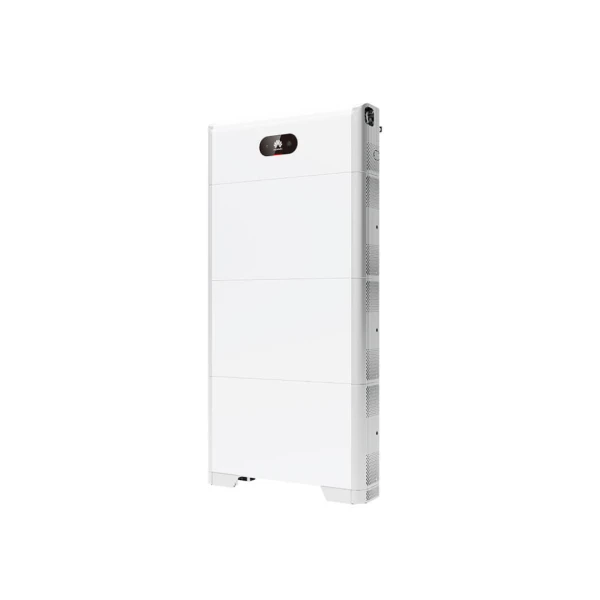
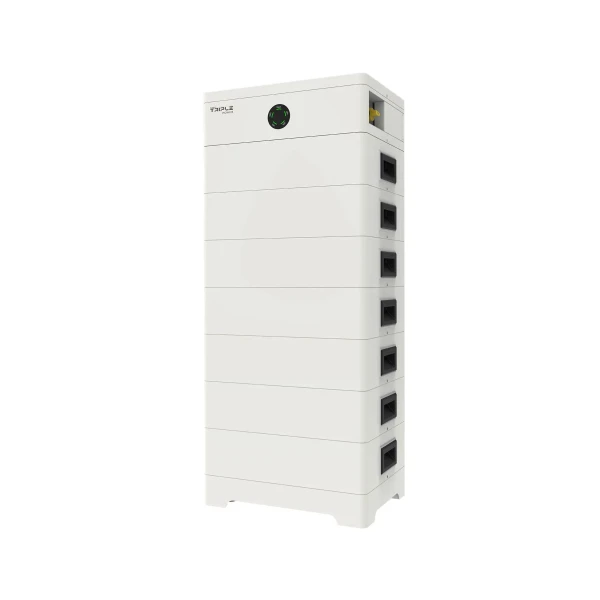
SOLARKIT offers tools and solutions to help with the installation and maintenance of solar panel systems. Based on the company's experience, we can provide useful advice to installers on the optimal installation of solar panel systems and the integration of energy storage systems .
FAQ (Frequently Asked Questions)
1. What is the main difference between solar energy and wind energy in industrial applications?
Solar energy generates electricity from light, while wind energy generates electricity from the kinetic energy of wind. Solar energy works best in summer and in south-facing locations, while wind energy can be more effective in winter and in windy areas.
2. What are the costs of installing an industrial solar energy system?
Solar energy systems have high initial installation costs, but low operating costs and pay for themselves in the long term, especially if government subsidies are available.
3. How do weather conditions affect the efficiency of solar and wind energy systems?
The efficiency of solar energy is influenced by the number of hours of sunshine, while the operation of wind energy is influenced by wind speed and stability. Solar energy is most optimal during sunny periods, while wind energy is most effective in windier areas.
4. What is the difference between choosing a location for a solar panel installation and a wind turbine?
South-facing, unshaded areas are ideal for solar panel systems, while wind turbines work best in windy, flat areas where higher wind speeds ensure efficiency.
5. Are there any advantages to using solar and wind energy in combination?
Yes, combined systems that use solar and wind energy can provide a more continuous energy supply, as solar energy can generate electricity during the day and wind energy can generate electricity even at night. They can also be a good solution for winter/summer balancing.