How quickly does an industrial energy storage system pay for itself?
How quickly does an industrial energy storage system pay for itself?
Industrial energy storage systems are getting more and more attention from businesses, and for good reason. Changes in the energy market, rising electricity costs, and the spread of renewable energy sources all make these solutions attractive. But how long does it take for such an investment to pay off? The answer depends on several factors: the type of system chosen, consumption habits, the amount of energy produced and stored, and the utilization rate of the system.
Below, we present the types of industrial solar energy storage systems, highlight the advantages that make them economical and environmentally friendly, and shed light on how they contribute to grid stability. In addition, we examine what to look for when choosing a system and provide useful tips for finding the right solution.
What types of industrial solar energy storage systems are there?
Industrial energy storage systems can use a variety of technologies and configuration principles, depending on their purpose: peak shaving, backup power, grid services, renewable energy integration, etc. In practice, the most common solutions are electrochemical battery systems (e.g., lithium-ion, flow batteries), but other methods may also be used in large industrial or energy system-level applications.
Battery-based industrial solar energy storage systems
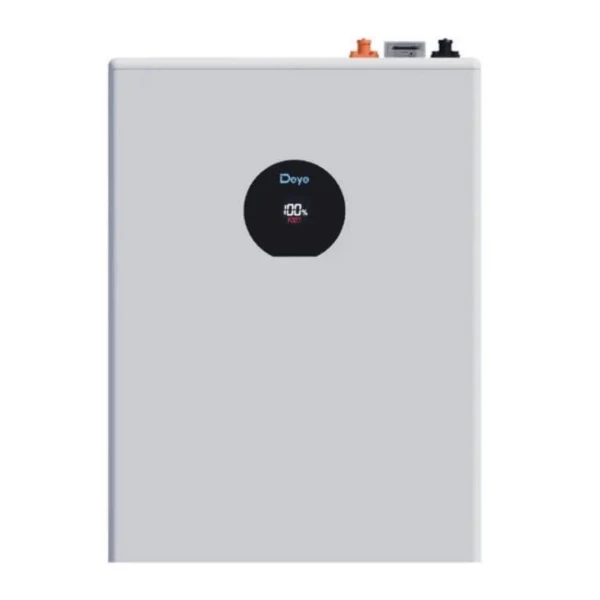
Battery-based industrial energy storage systems are among the most common solutions: the energy generated by solar panels is stored in a battery and then fed back into the electrical system when needed.
Key features:
- The battery and its control system (Battery Management System, BMS), as well as the inverter, form the backbone of the system.
- The system hasnominal power (kW) and capacity (kWh) characteristics—the ratio between the two determines how long it can deliver the stored energy.
- Cycle stability (how many times it can be charged and discharged), depth of discharge (DoD), and service life are key parameters that influence the cost-effectiveness of the investment.
Technological variants:
- Lithium-ion batteries – currently the most widely used type for industrial and commercial energy storage purposes. High energy density, relatively low self-discharge, but relatively high costs and require careful temperature management.
- Redox flow (liquid batteries) – the electroactive material is in liquid form and is pumped between two storage tanks. Advantageous for high-capacity systems because capacity and power can be scaled separately.
- Other types (in a controlled environment) – for example, iron-based redox flow technologies or other experimental solutions may also be considered for special applications.
Battery systems ensure that the electrical energy generated bysolar panels but not used immediately is not lost, but can be used later for the company's internal consumption or even as a network service. These energy storage systems enable flexible energy use, off-peak charging, and better self-sufficiency.
Advantages of investing in industrial energy storage
Industrial energy storage systems are no longer just future technologies: more and more companies are recognizing that these systems can bring long-term economic and technical benefits.
Key benefits:
- Cost savings through lower prices: Energy storage systems allow electricity to be stored during cheaper periods and used during peak times when prices are higher.
- Peak shaving: The system can replace grid load during the most expensive hours, eliminating the need to pay higher consumer fees and extra load charges.
- Multiple revenue streams (value stacking): Energy storage can be used not only for internal consumption, but also to provide services to the grid (such as frequency or voltage control), which can be an additional source of revenue.
- Stability and flexibility: The system helps to balance fluctuations in energy production and consumption and reduces vulnerability to volatile market prices.
- Environmental and image benefits: Promoting the integration of renewable energy, reducing dependence on fossil fuels, and supporting the company's sustainability goals.
How does the system contribute to cost reduction?
The energy storage system has a direct impact on cost reduction through several channels:
- Electricity discount: The system "charges" during cheaper periods (e.g., at night, when demand is low) and then uses the stored energy during peak times when prices are high.
- Peak load reduction: The system can prevent consumers from switching on new machines during peak periods when demand is very high, thus preventing the demand charge from increasing significantly.
- Outage protection: In the event of a power outage, the energy storage system can bridge the gap, preventing production or operations from coming to a standstill due to prolonged downtime.
- Optimal operation + revenue generation: Energy storage systems now operate with intelligent controls that take into account price forecasts, load profiles, and system status. This allows the economic potential of the system to be maximized.
Overall, these advantages provide the economic basis that determines how quickly an industrial energy storage investmentwill pay for itself.
Connection to renewable energy sources
Energy storage is an essential tool for the effective integration of solar panels or other renewable systems (e.g., wind, biomass). The instantaneous output of solar panel systems does not always coincide with the time of consumption — i.e., large amounts of energy may be generated during the day, but we cannot use it immediately. An energy storage system allows us to use this energy at a later time.
For example, if there is excess production during the day, the energy is stored in the battery and can then be used in the evening, morning, or during peak hours. This increases the degree of self-sufficiency and reduces the amount of energy that is fed back into the grid or wasted.
In addition, energy storage can help smooth out weather-related fluctuations, provide a more stable production profile, and enable renewable systems to better follow the load.

The relationship between industrial energy storage and grid stability
Industrial energy storage not only benefits individual companies, but can also contribute to the stability of the entire electricity grid. Large energy storage systems (or aggregated smaller systems) can participate in grid services such as frequency and voltage control, responding to rapid changes, and providing reserve capacity.
Storage systems are able to respond extremely quickly to grid changes—in many cases, they can transfer energy within milliseconds or help balance voltage fluctuations.
Energy storage makes it possible to smooth out fluctuations in renewable energy production and create a more stable energy system that is less dependent on fossil fuels.
Consider the following when choosing the right industrial energy storage system
When choosing an energy storage system for industrial purposes, there are a number of factors to consider: technical parameters, economic conditions, life cycle, maintenance, regulatory environment, etc.
Important considerations:
- Power (kW) and capacity (kWh) ratio – how long it can deliver its capacity
- Cycle life, depth of discharge (DoD), service life
- Efficiency and losses
- Technology type (lithium-ion, redox flow, other alternatives)
- Cooling/temperature control requirements
- Integration with the inverter and control system
- Revenue opportunities and market services
- Regulatory and licensing requirements
- Maintenance, warranty, subsidies
SOLARKIT tips and recommendations
The SOLARKIT team recommends that:
- When sizing the system, always leave spare capacity for operational reserves.
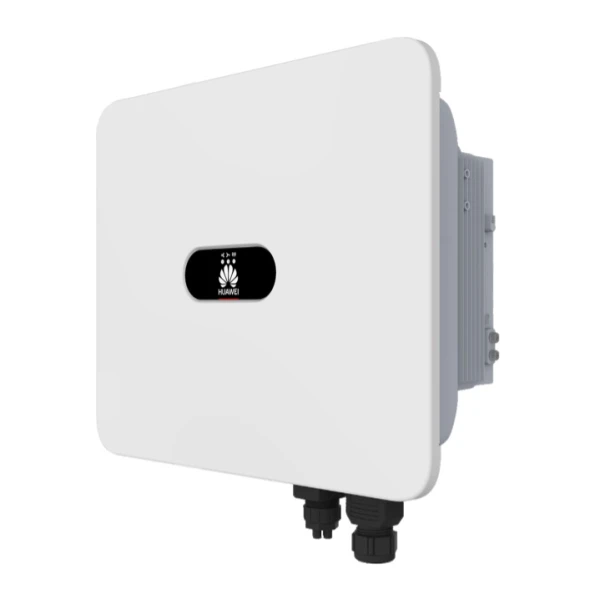
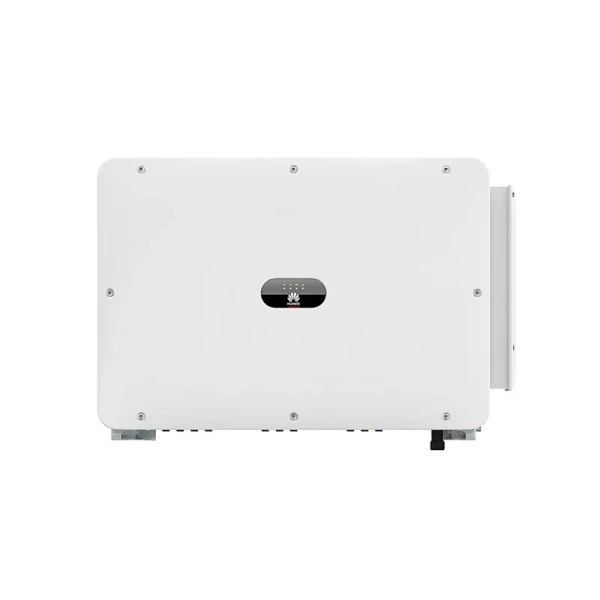
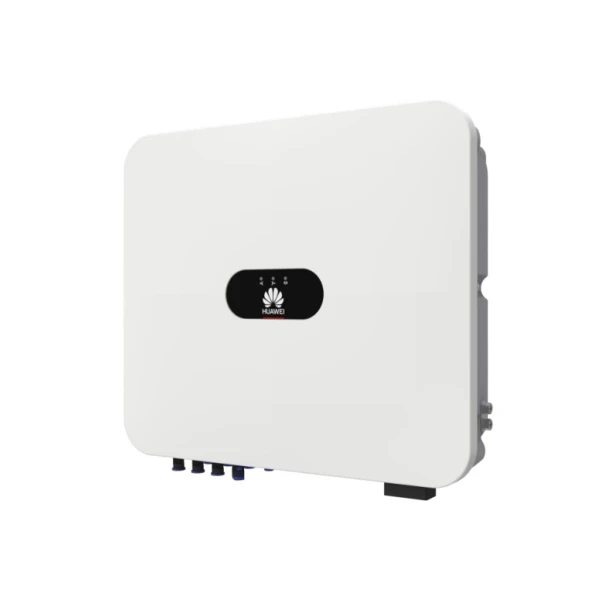
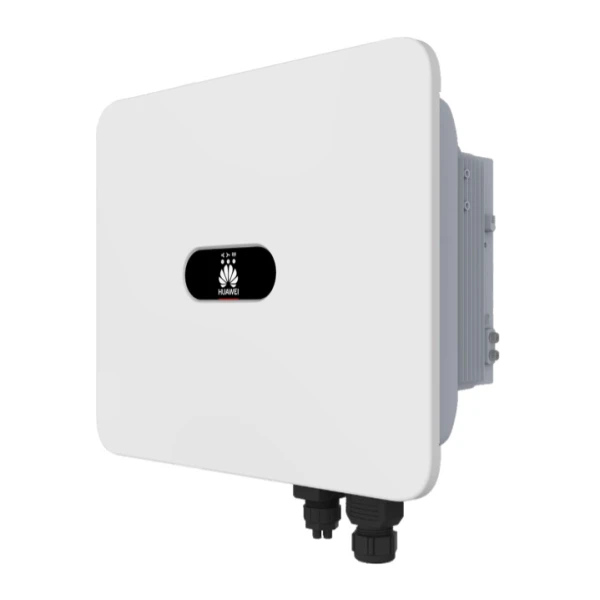
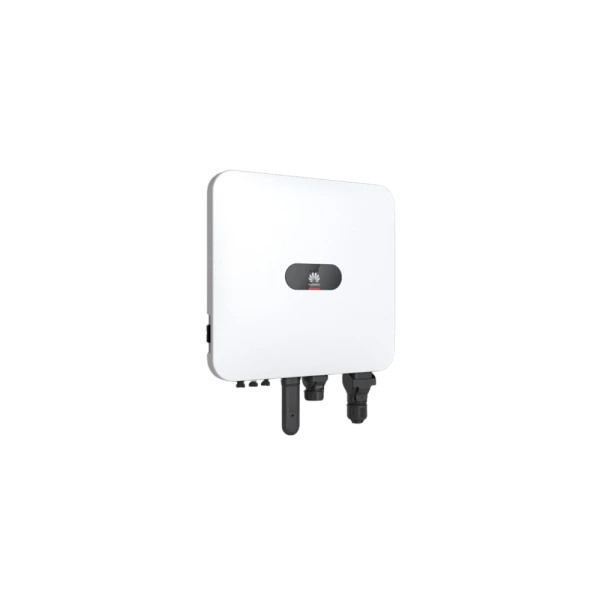
- Choose inverters and batteries that are covered by warranty and subsidies (e.g., Huawei inverter models – link: https://shop.solar-kit.eu/en/products/inverters/huawei-inverters).
- Ensure that the energy storage system is compatible withb solar panel systems (link: https://shop.solar-kit.eu/en/products/solar-panels).
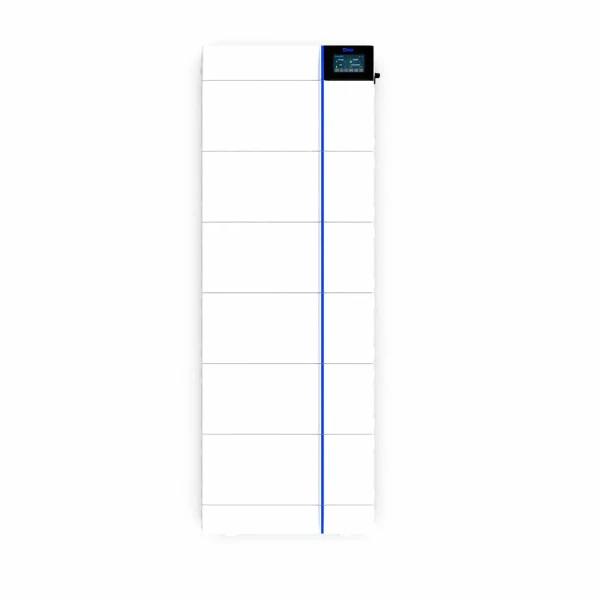
- When selecting a battery ,check the Battery Portfolio (link: https://shop.solar-kit.eu/en/products/energy-storage), paying particular attention to cycle stability and warranty.
- Check that your chosen inverter is on the list of approved inverters (link: https://shop.solar-kit.eu/en/blog/post/list-of-approved-inverters-in-2025).
- Prepare to operate the system with smart control, taking into account price forecasts, load and production profiles to maximize your return on investment.
Frequently Asked Questions (FAQ)
1. How long does an industrial energy storage system last?
Industrial energy storage systems can last 10-15 years, depending on the type, with regular maintenance. The number of cycles and the type of batteries affect long-term performance.
2. Does the energy storage system work independently without solar panels?
Yes, energy storage systems can be operated without a solar panel system, for example to store grid electricity. However, they provide the best return on investment when combined with renewable energy.
3. What subsidies are available for energy storage?
Subsidy options may vary by region and period, for example in the form of EU or state grants. It is worth keeping up to date with current energy investment programs.
4. What maintenance does an industrial energy storage system require?
Energy storage systems require regular inspection, battery monitoring, and occasional software updates. Maintenance requirements vary depending on the type of system, but most systems require little intervention.
5. Is it worthwhile for smaller companies to install energy storage systems?
Yes, the return on investment is not only favorable for large companies. The key is proper sizing and a well-optimized system design—an expert partner can help with this.