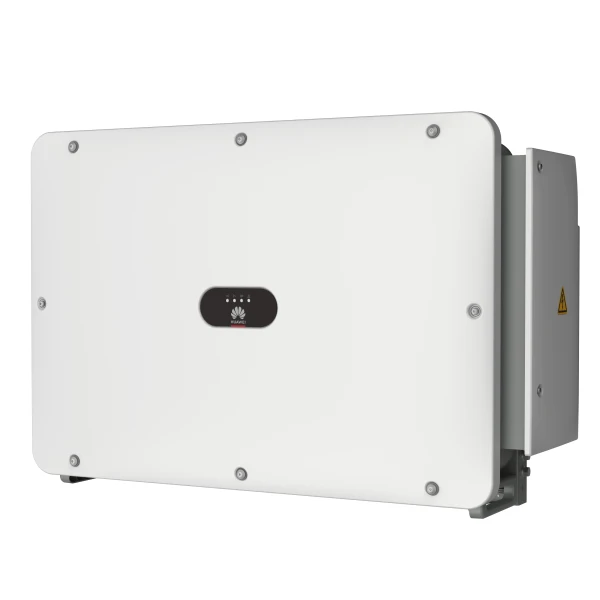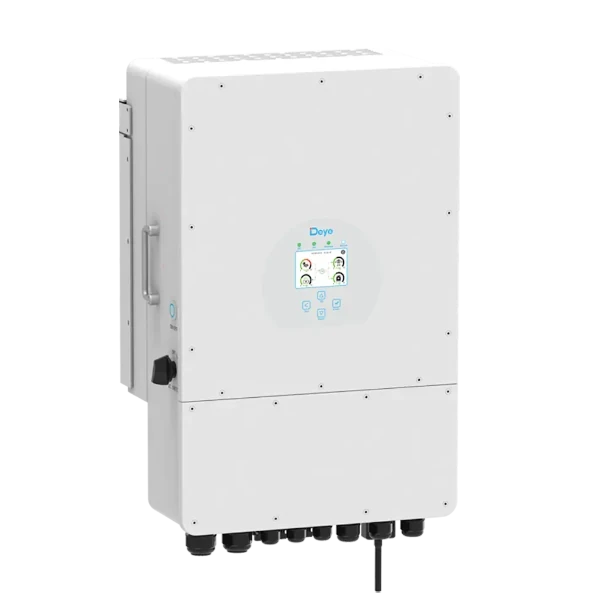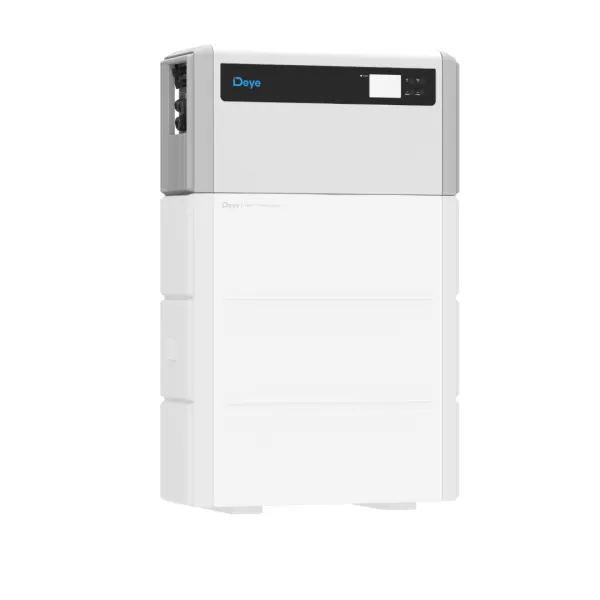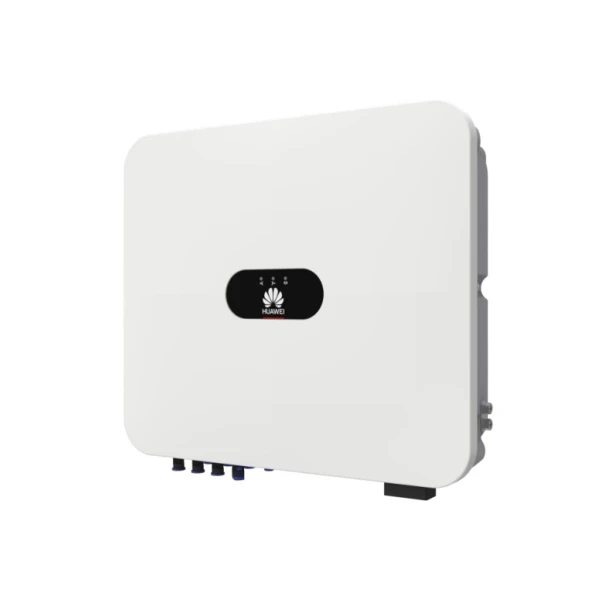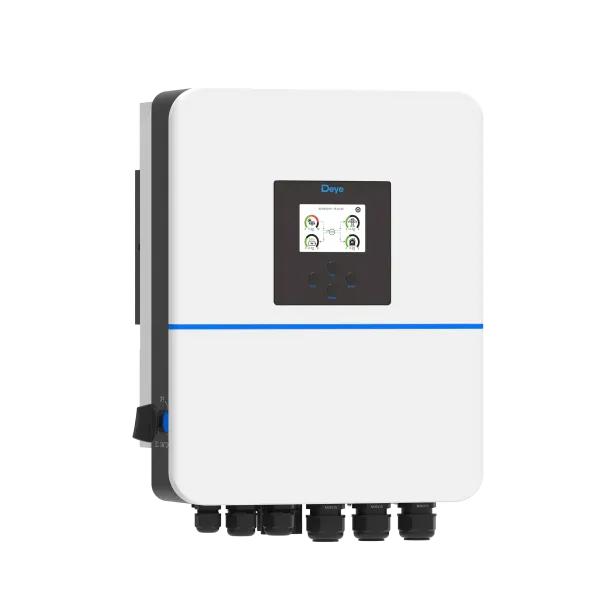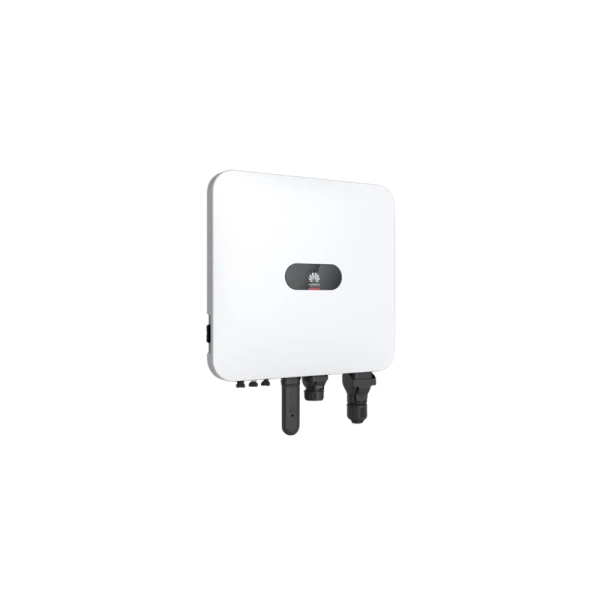
The significance of IP protection for solar inverters – How do they perform outdoors?
When designing a solar panel system, many people focus primarily on the performance of the panels and the type of inverter, while a seemingly technical detail, the meaning of IP protection, is often overlooked. However, the location of the inverter, especially in outdoor environments, can pose serious challenges for the equipment. It can be exposed to rain, snow, dust, splashing water, or even strong water jets, and it matters what level of protection the device in question is capable of providing against these elements.
In this article, we explain in simple terms what IP protection means, how the IP code is structured, and what the first and second digits reveal about the level of protection. We look at why this is a key issue for solar inverters, what they can actually withstand outdoors, and what the most common misconceptions are about IP ratings. Finally, we will provide practical considerations and recommendations on which IP-rated inverter to choose for a family home.
What does IP protection mean? Basic concepts and classes explained in plain language
IP protection is an internationally standardized system that shows the degree of protection that the casing of an electrical device provides against external influences. The abbreviation IP comes from the term Ingress Protection and plays a particularly important role in the case of electrical equipment.
In the case of solar inverters, IP protection is not just a technical data point: it directly influences whether a given device can be operated safely in the long term in outdoor or indoor environments. The standard specifies the extent to which the enclosure can prevent the ingress of solid objects and foreign substances such as dust, as well as the level of protection against water in various situations.
It is important to understand that the IP protection class always refers to specific conditions and describes only the level of protection provided by the enclosure. It is not a general "durability" indicator, but a precise, standardized classification. The protection provided by the enclosures of electrical products is determined in accordance with the international IEC 60529 standard, which is applied uniformly in Europe and Hungary.
When designing solar panel systems, it is therefore essential that the IP rating of the inverter is in line with the planned location, whether it is a covered indoor space or a completely outdoor environment.
How is the IP code structured? Numbers and their meanings
The structure of the IP code is logical and well-structured. The first digit after the letters "IP" indicates the degree of protection provided by the enclosure against the ingress of solid objects and foreign substances. This protection can range from protection against manual contact to complete dust protection.
The second digit indicates the level of protection against water. This includes splashing water, water jets from various directions, and, in certain classes, immersion in water. The higher this value, the more severe the environmental conditions the device's enclosure can withstand.
In practice, solar inverters are most commonly marked with IP65, IP66, and IP67. These all indicate that the device is highly protected against dust and resistant to varying degrees of water exposure. Whether you are using traditional or hybrid inverters, the appropriate IP code should always be selected based on the specific installation environment.
IP protection table
The IP protection table provides a quick overview of what each rating means in practice. For example, an IP44 device provides protection against larger foreign objects and splashing water, but is not suitable for continuous outdoor use. In contrast, IP65 provides complete protection against dust and is protected against strong water jets, so it is often used for outdoor inverters.
With IP67, the protection is even greater: such enclosures can be immersed in water for a short time without damage. However, it is important to note that this does not mean that the inverter can be operated continuously under water. When interpreting the table, always take into account the manufacturer's specific installation and operating recommendations.
IP protection class for solar inverters: why is it a key issue?
The inverter is the heart of a solar power system, so it matters what level of protection the device's casing provides against environmental influences. The IP protection class is particularly important for solar inverters because these devices are often not installed in air-conditioned rooms, but in garages, storage rooms or on completely outdoor walls. In such cases, the inverter may be exposed to dust, precipitation, splashing water and temperature fluctuations.
The IP rating indicates the extent to which the housing is capable of preventing the ingress of foreign matter and damage caused by water hazards. A device with a lower IP protection class may still operate safely indoors, but outdoors, inadequate protection can lead to long-term malfunction or even complete failure. When connecting a solar inverter, therefore, attention must be paid not only to the precision of the electrical connections, but also to physical protection. This is not only a technical risk, but also a financial one, as replacing an inverter can be very costly.
When selecting the level of protection, the planned location must always be taken into account. It is not enough to simply look at whether the model is advertised as an "outdoor inverter." The IP class provides specific, measurable information about the conditions under which the enclosure can protect electrical components and how well it can be considered a truly protected solution in a given environment.
What do IP65, IP66, and IP67 mean in practice?
Solar inverters are most commonly classified as IP65, IP66, and IP67, but there are significant differences between them. IP65 means that the device is completely protected against dust and can withstand low-pressure water jets from all directions. In practice, this provides sufficient protection against rain, splashing water, and general outdoor environments.
IP66 represents a higher level of protection: here, the enclosure is protected against powerful water jets, so even heavy rainfall or water exposure during cleaning is not a problem. This protection is particularly beneficial for inverters installed on open, uncovered walls.
In the case of IP67, the protection is extended even further, as the device can be immersed in water for a short period of time. However, it is important to emphasize that it is not designed for continuous immersion in water or a permanently wet environment. A higher IP rating is therefore not always the better choice, but must always be adapted to the specific installation environment.
Outdoor installation: how does the inverter fare in rain, snow, and dust?
Outdoor installation places a much greater load on the inverter than a protected indoor environment. In this case, the device is in direct contact with the weather: rain, snow, dust, splashing water, and rapid temperature changes also affect its operation. IP protection becomes a truly critical factor in this case.
An inverter with adequate IP protection can prevent dust and other solid particles from getting close to sensitive internal components. This is particularly important in agricultural environments, near busy roads, or in yards where there is a higher amount of airborne contaminants. Dust can cause long-term cooling problems and electrical malfunctions if the enclosure does not provide adequate protection.
Protection against water is also a key issue. Outdoor inverters are often exposed to rain or splashing water, such as precipitation running off roofs. With a higher IP rating, the inverter enclosure can withstand low or even high water jets, keeping the device protected even in persistently adverse weather conditions. In the case of snow, it is not the precipitation itself that poses a risk, but the moisture generated during melting and the persistently humid environment, which can only be protected by a cover with an adequate level of protection.
What does the IP rating not protect against? Common misconceptions
It is important to clarify that IP protection is not a complete solution against all environmental influences. It is a common misconception that an inverter with a high IP rating can "withstand anything." The IP rating only refers to the protection provided by the enclosures of electrical products and is only valid under the conditions specified in the standard.
For example, the IP code does not provide information about resistance to UV radiation. An inverter enclosure may be dustproof and waterproof, but if it is exposed to continuous, strong sunlight, this can lead to material aging in the long term. Protection against mechanical damage is also not part of the IP rating, so the device remains vulnerable to impact, vandalism, or improper mounting.
Indoor vs. outdoor inverters: differences in terms of IP
The difference between indoor and outdoor inverters is not only in the design of the casing, but primarily in the IP protection class. When installed indoors, the inverter typically operates in a protected environment: there is no direct precipitation, less dust, and temperature fluctuations are more moderate. In such cases, devices with lower IP protection can also be operated safely, provided that the room is dry and well ventilated.
In outdoor installations, however, the inverter is directly exposed to environmental influences. In this case, the casing must not only protect against the ingress of dust and other solid objects, but also provide a high level of protection against water. An outdoor inverter is expected to be able to withstand rain, splashing water, and occasional heavy water exposure without any problems. For this reason, inverters intended for outdoor use typically have a higher IP protection rating.
It is important to understand that the term "outdoor inverter" alone does not guarantee protection in all circumstances. The real difference is determined by the specific IP protection rating, which provides concrete, measurable information about the level of protection the device's casing provides for its electrical components. Therefore, when comparing indoor and outdoor inverters, it is always worth starting with the IP data.
The relationship between weather conditions in Hungary and IP protection
Hungary's climate can be described as moderate, but it poses several challenges for inverters. Annual precipitation, periodic heavy rainfall, and winter freeze-thaw cycles all increase the risk of water and moisture damage. In addition, dusty, dry air and high temperatures during the summer can also be a burden.
These conditions mean that adequate IP protection is not just a recommendation but a basic requirement for outdoor installation. A cover is needed that can prevent the ingress of foreign matter and moisture, even if the inverter is exposed to the weather for long periods of time. Under domestic conditions, IP65 or higher protection typically ensures long-term reliable operation.
What IP protection rating should we choose for an inverter in a family home?
In family homes, the placement of the inverter is often a matter of compromise. If the device is located in a garage, boiler room, or other covered area where there is no direct exposure to water, a lower IP rating may be sufficient. However, for outdoor wall-mounted inverters, a higher level of protection is essential.
As a general guideline, an inverter with at least IP65 protection is recommended for outdoor installation. This level provides adequate protection against dust and is resistant to rain and low-pressure water jets. If the inverter is located in a particularly exposed area, such as under an eave where large amounts of water may fall on it, a higher IP rating may be justified.
SOLARKIT recommendations: when is IP protection sufficient and when is it not?
In SOLARKIT's experience, IP protection alone is not always a complete solution. Although the casing of a properly selected IP-rated inverter is protected against dust and water, additional measures may be necessary in certain environments. These may include shading, reducing direct sunlight, or ensuring adequate airflow.
This is particularly important for outdoor installations where the inverter is permanently exposed to the weather. In such cases, in addition to IP protection, it is also worth considering the manufacturer's recommendations and the specific conditions of the installation site. A properly selected inverter, correctly positioned and, if necessary, with additional protection, will ensure long-term reliable operation.