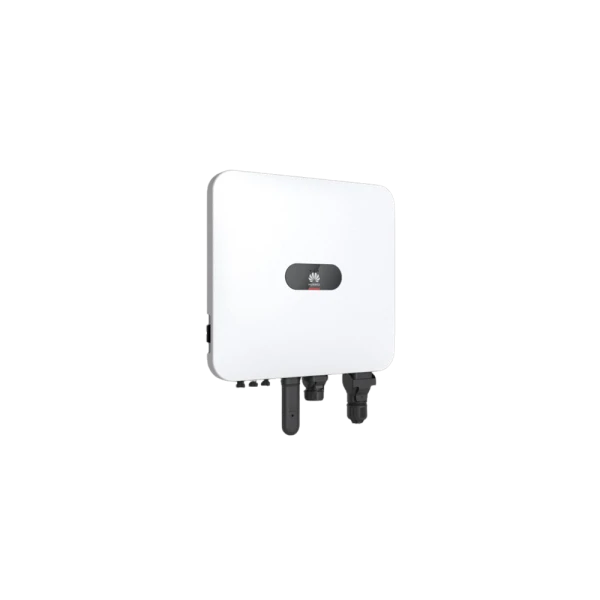
Signs of faulty grounding based on solar inverter logs
The operational reliability of solar power systems depends not only on the quality of the panels and inverters, but also on technical details in the background, such as proper grounding. Although grounding problems often do not cause immediate, spectacular failures, the log files of inverters—also known as logs—indicate early on if something is wrong. These data contain key information about the operation of electrical protection, the status of the grid, and potential safety risks.
In this article, we explain why solar panel grounding is critical, what grounding actually means, and how it works properly in a well-designed system. We also go into detail about what the solar inverter log file records, what typical log entries may indicate faulty grounding, and how this problem can be distinguished from other inverter faults. Finally, we provide practical advice on how to recognize and professionally handle grounding faults.
Why is proper grounding critical for solar systems?
Grounding is one of the most important safety features of a solar system: it not only protects human lives and equipment, but also ensures the long-term reliable operation of the system. The purpose of grounding is to provide a low-resistance path to the ground in the event of an electrical fault, so that voltage does not remain dangerously accumulated on devices or metal structures. This is particularly critical in outdoor and high-voltage systems such as solar inverters and modules, where, in the event of a fault or overvoltage, the discharge of voltage into the ground is the basis for touch protection.
Proper grounding serves three main functions: first, it protects people from unwanted touch voltages in the event of a fault; second, it protects equipment such as inverters or panels from overvoltages and lightning strikes; and third, it helps stabilize the system and reduces electrical noise and interference, which contributes to efficient energy conversion. Thirdly, it contributes to system stability and reduces electrical noise and interference, which contributes to efficient energy conversion.
It is a mandatory part of proper installation from both a technical and legal standpoint: most international and local electrical standards, such as NEC or IEC, require that all metal components of photovoltaic systems be properly grounded.
What does grounding mean?
Grounding is an electrical safety measure that connects the metal parts of electrical equipment to ground potential via a conductor. If, for example, voltage accidentally applies to a metal part, grounding provides a low-resistance path for the current to flow to the ground, reducing the touch voltage and thus the risk of accidents. This is particularly important in solar power systems, where both the DC and AC sides must behave safely in the event of faults. Grounding is not just a cable; it is usually a system consisting of a grounding rod, grounding bus, and wires of appropriate cross-section that connect the various metal parts of the system to ground potential.
How does proper grounding work for solar panels?
When grounding a solar system, all metal components of the system, including the panel frames, mounting structure, batteries, and metal housing of the inverter, are connected to a common grounding point. This is achieved by connecting the grounding wire to a grounding rod or grounding grid that can be driven into the ground, which ensures that excess current is quickly and safely dissipated. Proper grounding serves two purposes: it protects people from electric shock and helps dissipate dangerous currents caused by lightning strikes or power surges. Proper grounding reduces electrical noise, resulting in more stable operation and a longer service life for the solar system.
Designing and measuring grounding with a multimeter
When designing the grounding of a solar system, it is important to choose a suitable grounding point with low resistance to ensure rapid current dissipation in the event of a fault. Grounding is measured using a special multimeter with grounding probes placed in a triangle. To take the measurement, two probes must be inserted into the ground, approximately 10-10 meters from the grounding probe, and the third probe must be placed on the grounding probe. With this arrangement, the resistance of the grounding system can be measured. Proper grounding is ensured if the resistance value obtained during the measurement does not exceed 10 ohms.
What does the solar inverter log file record?
The "digital memory" of the solar system is the log file kept by the inverter, also known as the log. This file continuously records events related to the operation of the inverter, measurement data, and safety interventions. The purpose of the log is not primarily to inform the operator, but to provide accurate, traceable information about the status and reactions of the system in the event of a fault. Manufacturers therefore place great emphasis on inverters documenting all irregularities, even if they are not immediately noticeable to the user.
The log file typically contains AC and DC voltage and current values, changes in network parameters, and the activation of the inverter's own protection functions. Events such as overvoltage, insulation problems, or grounding faults detected by the device are also recorded. These entries are time-stamped, so it is possible to determine exactly when, under what circumstances, and how often a particular fault occurred.
It is particularly useful that the logs not only record serious faults that cause shutdowns, but also so-called warning events. These can include grounding resistance values close to the limit or short-term leakage currents that do not yet shut down production but may indicate a serious problem in the longer term. From this data, an experienced technician can conclude at an early stage that the grounding condition is deteriorating and that intervention is necessary before the performance or safety of the system is compromised.
The most common sign of faulty grounding in solar systems
Faulty grounding is one of the most difficult problems to detect in solar systems, as it often does not cause immediate, visible malfunctions. The signs often only appear in the operation of the inverter and in the log files. In such cases, the results of grounding resistance measurements play a key role, as they provide an objective picture of the condition of the grounding system. If the measured value exceeds the specified limit, the inverter's protection logic may trigger a warning or even a shutdown.
The problem typically appears in the logs in the form of recurring entries: insulation resistance decrease, increased leakage current, or ground potential deviation. These events are often weather-dependent, for example, they intensify after periods of precipitation, which indicates that the grounding system's connection to the ground is no longer adequate. In such cases, the system appears to be functioning, but in the background, the risk to both the inverter and the entire electrical network is constantly increasing.
Error messages and codes indicating typical grounding faults
Regardless of the manufacturer, inverters indicate grounding faults according to similar logical principles. Common warnings include messages such as "Ground fault," "Isolation fault," or "PE connection error," which indicate that the system is unable to properly conduct the fault current to ground. These codes do not necessarily mean an immediate shutdown, but they are a clear indication that the grounding status is different from what is expected.
Experience shows that these error messages often repeat themselves in the log and then disappear, which can be misleading for the operator. In fact, this indicates that the system is still capable of safe operation for a period of time, but the grounding parameters are already close to the limit. This is important because, at this stage, serious malfunctions can still be prevented with relatively simple intervention.
Periodic shutdowns and performance fluctuations at the log level
One of the most common symptoms of faulty grounding is a seemingly unjustified, short-term inverter shutdown. In such cases, the log files show that the device interrupts production for safety reasons and then restarts automatically.
These events can be clearly traced at the log level and easily distinguished from other faults. There is a clear correlation between the deterioration of grounding resistance measurement results and the inverter's reactions. If the grounding system does not provide a stable reference potential, the inverter's protective circuits intervene more frequently, which in the long run is not only a useful warning but also a serious operational safety risk.
How can a grounding fault be distinguished from other inverter faults?
Faults in solar power systems often show similar symptoms, so it is not always clear to operators whether the problem is actually a grounding issue. The most important difference is that while many inverter faults can be traced back to network or internal electronic causes, grounding faults are typically related to external environmental influences and measurable physical parameters. Targeted measurement and comparison of log data play a key role in recognizing this.
The use of an earth resistance meter allows the installer or maintenance technician to obtain an accurate picture of the condition of the earthing system. If the measured resistance value does not comply with the specifications, this clearly indicates an earthing problem, even if the inverter logs only indicate a general protection fault. In the case of other types of inverter faults, such as mains overvoltage or internal temperature alarms, the grounding resistance typically shows a normal value.
Another distinguishing feature is that grounding faults often occur periodically, for example after rain or high humidity, while internal inverter faults usually occur continuously or in a clearly load-dependent manner. Analysis of the temporal pattern of the logs, together with the measurement results, provides a reliable basis for determining whether there is actually a problem with the grounding system or whether there is another technical cause.
What are the risks of an untreated grounding problem?
An inadequately treated grounding fault poses serious safety and technical risks, even if it does not cause any noticeable malfunction in the short term. One of the most serious dangers is the risk of electric shock: if the metal parts of the system are not at a stable ground potential, a dangerous voltage may appear on the support structure, the inverter cover, or other accessible elements in the event of a fault. This is particularly problematic in residential systems, where users may come into direct contact with these surfaces.
An unresolved grounding problem also places a significant load on the inverter's internal protection circuits. If the grounding cable or grounding point is unable to effectively dissipate leakage currents, the inverter will enter protection mode more frequently, accelerating the aging of components. In the long term, this can lead not only to a decrease in performance, but also to unexpected failures, which can result in the entire system shutting down.
The fire hazard should not be overlooked either. Overheating or arcing due to faulty grounding poses an increased risk at electrical connections, especially in larger systems. Taking all factors into account, it can be said that postponing grounding problems can not only result in financial loss, but also seriously jeopardize the safety and reliability of the system.
SOLARKIT recommendations: What can the operator or contractor do to remedy grounding faults?
Dealing with grounding faults is an important task because they are often not caused by a single component failure, but can be traced back to the design of the entire system. The first step is always to review the documented data: the inverter logs and previous measurement reports contain all the relevant information to determine whether there is a deteriorating trend or a one-time anomaly. If the logs indicate a grounding problem, on-site measurement cannot be delayed.
According to SOLARKIT's professional practice, it is advisable to check the entire grounding system in such cases: the condition of the grounding probes, the corrosion of the connection points, and the mechanical integrity of the cables are all important. If the problem is due to inadequate grounding, it is often sufficient to expand the grounding system or repair the connections. In more serious cases, however, new grounding may be necessary, especially for older installations.
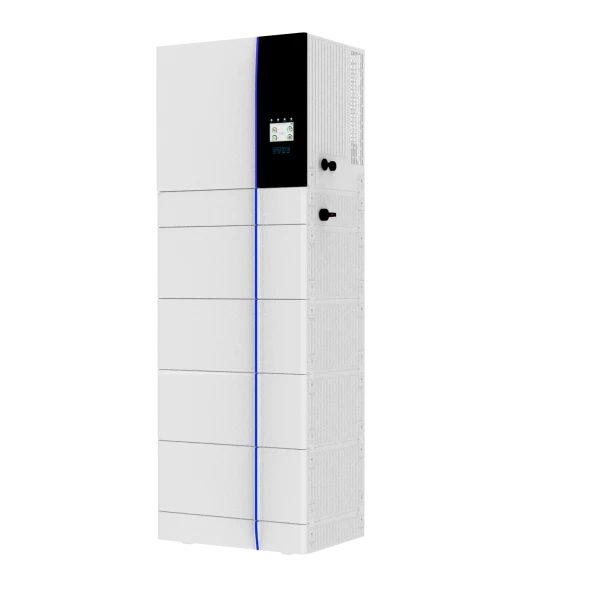
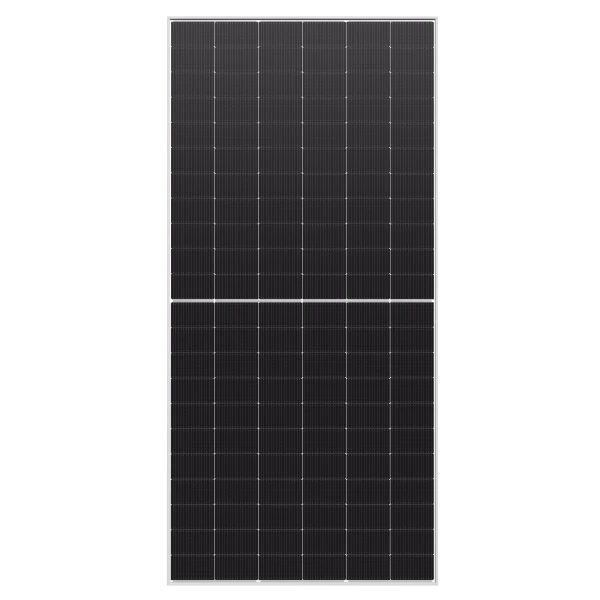
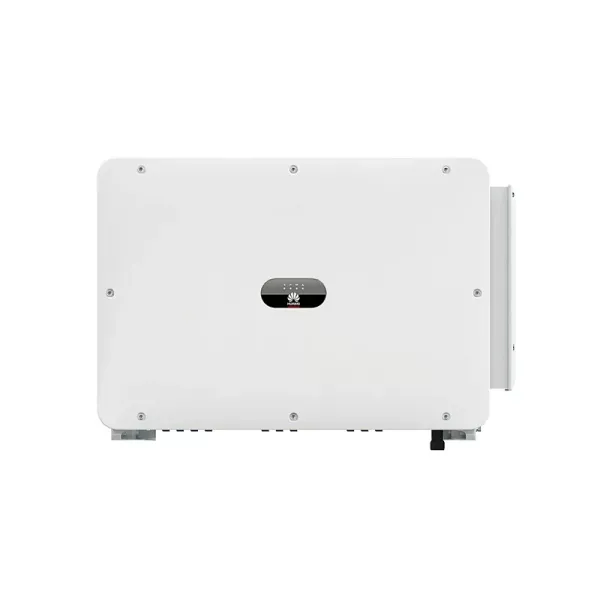
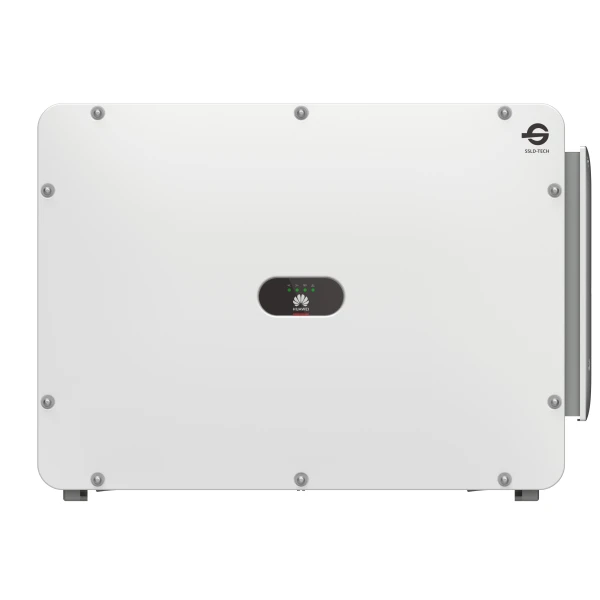
Contractors should take local soil conditions and the possibility of future expansion into account during the design phase. The solar panels, inverters, and energy storage solutions available from SOLARKIT provide additional technical support for safe and long-term stable system design.
Frequently asked questions (FAQ)
1. Why does a grounding fault appear first in the inverter logs?
The inverter continuously monitors the electrical parameters of the system, including grounding faults. The log files record the problem even before it causes a shutdown, for example in the form of leakage current close to the limit value or ground potential deviation. Therefore, analyzing the log data is one of the earliest and most reliable ways to detect a fault.
2. What is considered a bad value when measuring grounding resistance?
The permissible grounding resistance value depends on standards and system type, but for solar systems, a value below 10 ohms is generally considered acceptable. If the measurement shows a higher resistance, this indicates a deterioration in grounding efficiency and increases safety risks.
3. Is a simple multimeter sufficient for checking grounding?
A special multimeter may be suitable for quick checks and filtering out obvious faults, but for an accurate diagnosis, it is advisable to use a dedicated grounding resistance measuring instrument. These instruments provide a more accurate picture of the actual condition of the grounding system.
4. Can weather conditions affect the occurrence of grounding faults?
Yes, weather can have a significant impact on grounding. Grounding faults occur more frequently during periods of precipitation, high humidity, or after frost, as the resistance of the soil and the condition of the connection points may change. Therefore, periodic checks are particularly important.
5. When is it necessary to call in a specialist in the event of a grounding fault?
If grounding faults appear repeatedly in the inverter logs or the measurements show persistently incorrect values, it is definitely advisable to call in a qualified electrician. Unprofessional intervention can pose a serious safety risk, so repairs and modifications should always be carried out by a competent person.