Solar panel system overproduction: problem or untapped opportunity?
Solar panels are becoming increasingly popular, offering a sustainable and cost-effective energy source for many households. However, one issue that often arises with solar panel systems is overproduction: when the system generates more energy than the household needs. But is overproduction really a problem, or is it rather an untapped opportunity? In this article, we take a closer look at what happens when a solar panel system overproduces, how current billing systems may be affected, and how overproduced energy can be utilized so that it is not just a problem, but also an advantage.
What does solar system overproduction mean?
Overproduction in solar panel systems occurs when the energy generated by the system exceeds the current consumption of the household. This typically happens during sunny periods when the solar panels are operating at maximum capacity. The extent of overproduction depends on the size of the system and the household's energy consumption habits. If an overly powerful system is installed, some of the energy produced may be "lost" if it cannot be utilized.
Why does overproduction occur in household solar panel systems?
Periodic overproduction is basically natural due to yield imbalances on an annual scale, so several factors must be taken into account when determining whether a system is oversized: household demand, billing type, changes in consumption habits, and changes in weather. If the system's output is too high for the household's energy needs, a significant amount of energy is generated during sunny hours that is not used. Most households do not use all the energy they generate, especially in summer when there are more hours of sunshine. In addition, technological advances can also contribute to this, as modern solar panels are becoming increasingly efficient, making it easier for them to exceed household needs.
Gross settlement and overproduction: what can we expect?
In the case of gross settlement, overproduction has other effects. With gross settlement, the electricity fed back into the grid is settled separately by the supplier, while the consumer pays for the energy purchased at market price.In this system, it is particularly important to avoid investing in unnecessary production, as the repurchase price is a fraction of our purchase price. Gross settlement usually requires the use of batteries to balance out fluctuations during the day, so that the energy produced during the day and not used can be used in the evening from the battery at a ratio of almost 1:1. It is important to note that the efficiency is never 100%.
Taxation, invoicing, and accounting for solar panel overproduction
Taxation and billing of solar panel overproduction is currently regulated in Hungary. Overproduced energy that the owner feeds back into the grid is not always exempt from tax obligations. Taxation considerations and the method of accounting depend on how the user registers their solar panel system and what type of accounting system they choose. However, for residential-scale systems, the return on investment is typically determined by the extent to which the household can use the energy produced for its own consumption, as well as the subsidies or grants available for the installation or expansion of the system.
Overproduction as an untapped opportunity – why is it not necessarily a problem?
Overproduction by solar panel systems is often referred to as a problem, but in reality it offers a number of beneficial opportunities that users do not always take advantage of. Overproduction is not only a waste of energy, but also an untapped opportunity that households can capitalize on financially with the right technologies and strategic planning. For example, energy can be stored or even used in other ways. In some cases, overproduction can contribute to improving the return on investment of the system, with the right accounting and utilization strategy.
The role of energy storage in utilizing overproduction
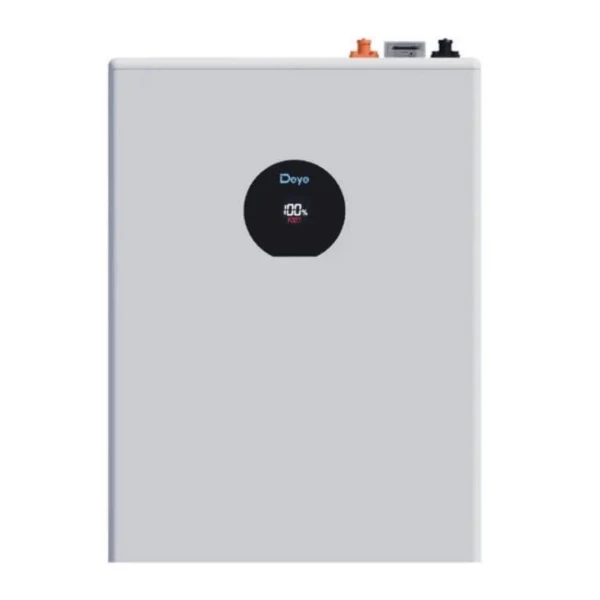
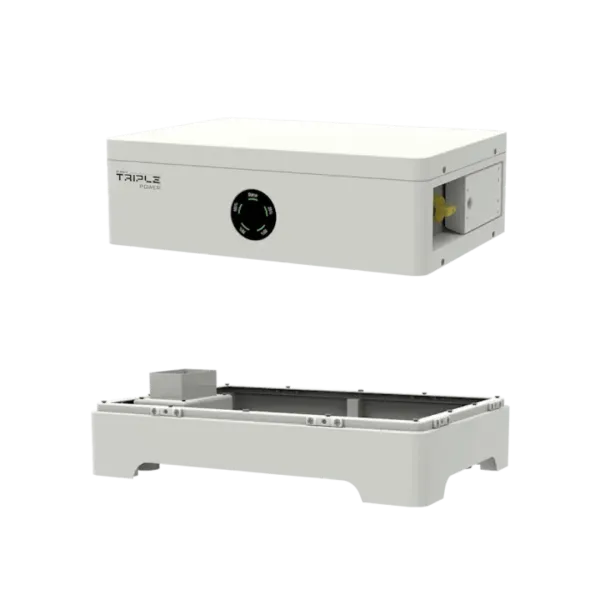
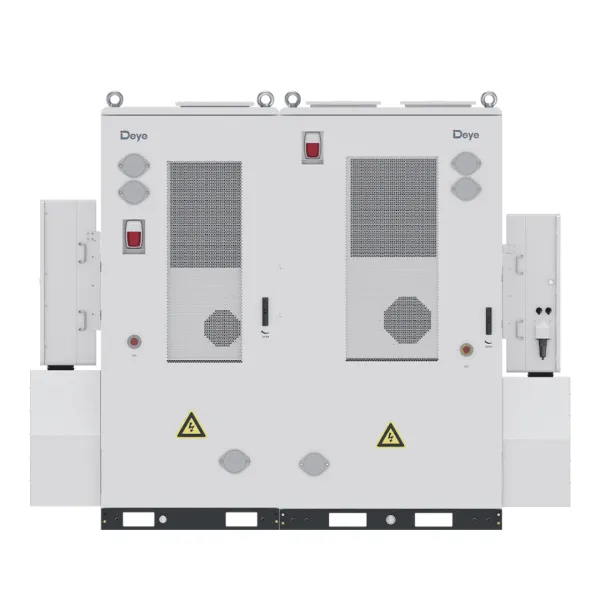
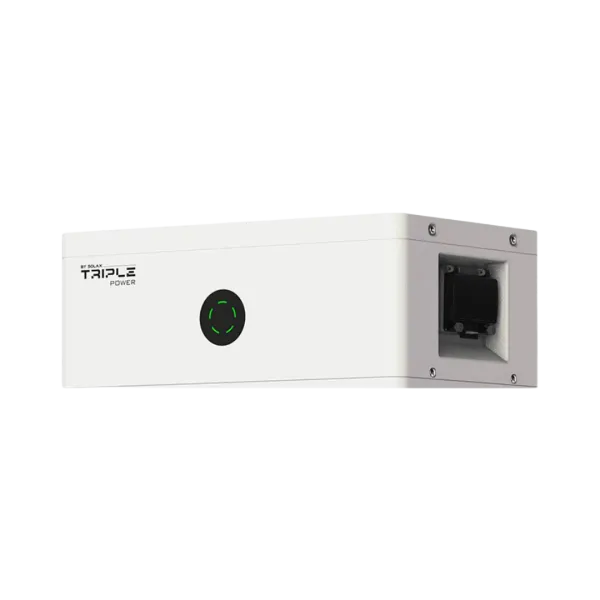
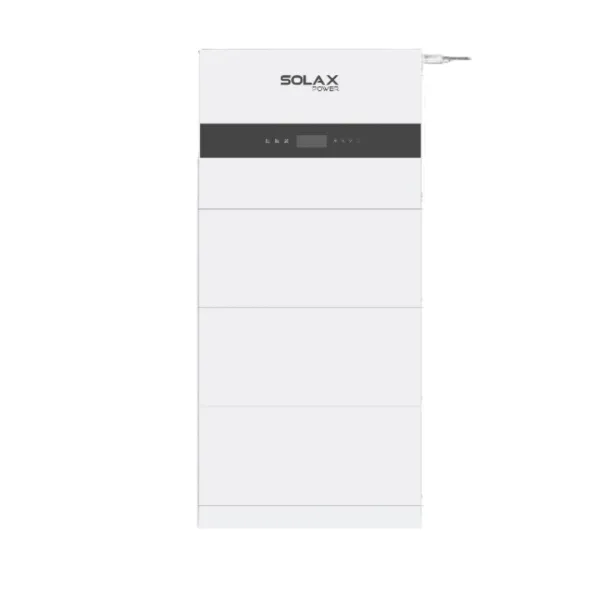
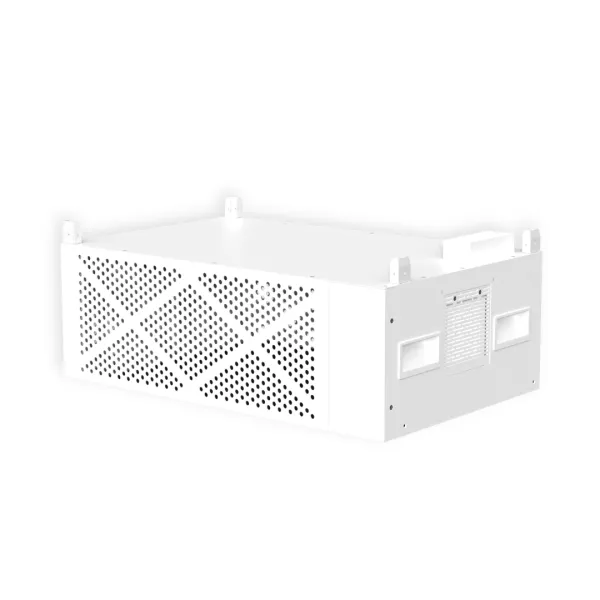
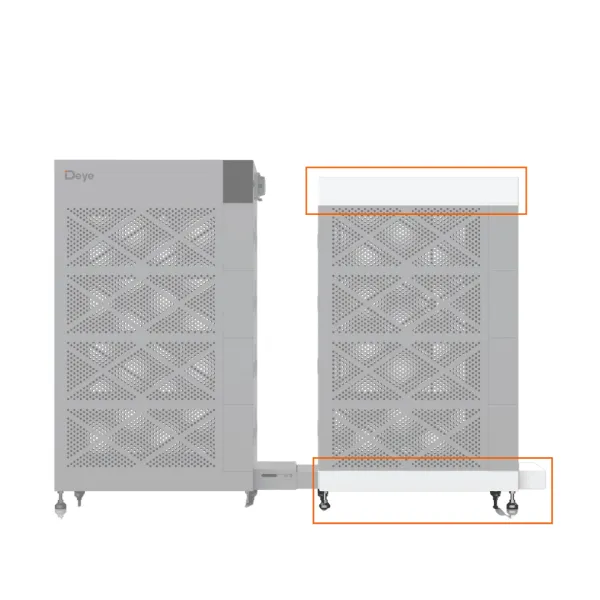
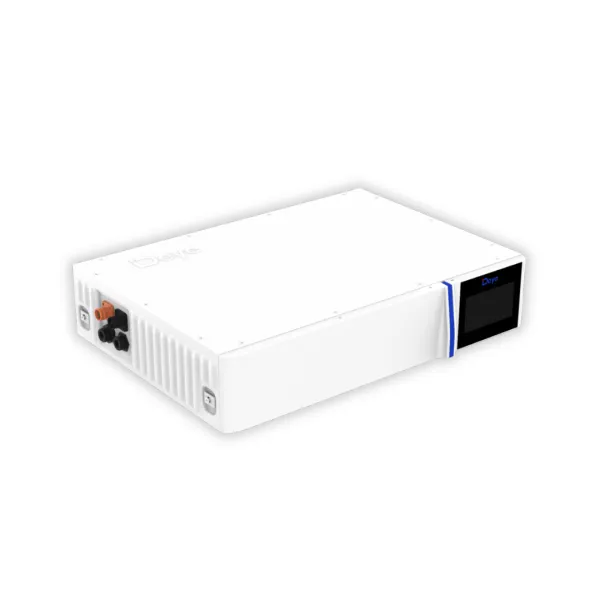
Energy storage plays an important role in ensuring that surplus energy is not wasted. Energy storage systems connected to solar panel systems, such as Deye energy storage systems, allow surplus energy to be stored for later use. This is particularly important during periods when the household does not need the energy produced immediately, but may need it later, for example in the evening. Choosing the right energy storage system can help optimize costs and increase the benefits provided by the system.
Electric cars and surplus production: an ideal combination
Combining electric vehicles (EVs) and solar panels offers an ideal solution for utilizing surplus production. The energy used to charge electric vehicles can also come from solar panels, so we can not only cover the household's energy needs, but also charge the car "green." Charging your car with solar energy is particularly advantageous when your solar panel system is producing surplus energy, as you can use the excess energy to charge your car, making it not only environmentally friendly but also a financially viable solution. This innovative technology is one of the cornerstones of future mobility and promotes a more sustainable lifestyle.
Smart energy use: timing consumption for sunny hours
Scheduling consumption during sunny hours plays a key role in increasing the efficiency of solar panel systems and utilizing excess production. This smart energy use allows households to make the most of the energy generated by their solar panels, minimizing the amount of surplus energy fed back into the grid. With the help of smart meters and energy management systems, users can adjust their consumption so that electricity is used primarily during daylight hours when solar panels generate the most energy. This can be particularly beneficial for those who want to reduce their energy consumption costs and maximize the return on their solar panel systems.
How does overproduction affect the return on investment of the system?
Overproduction affects the return on investment of a solar system because users can not only use the energy for their own needs, but also feed electricity back into the grid, thereby reducing their electricity bills. Energy-feeding systems can pay for themselves more quickly because users are reimbursed for the price of overproduced energy through the grid. However, if the billing systems are inadequate, for example, gross billing does not provide adequate payments for excess production, the return on investment may be slowed down. However, smart energy use and choosing the right storage solutions can help the system pay for itself as quickly as possible.
Reclaiming solar panel overproduction
Solar panel overproduction can be reclaimed through both net metering and gross settlement. In the case of gross settlement, every kilowatt hour produced is paid for, so users can convert their overproduced energy into cash. When claiming excess production, users must take into account local regulations and the options offered by different energy suppliers. For example, customers of Magyar Villamos Művek (MVM) can claim excess energy produced through the grid. The exact details and necessary steps are provided by the energy supplier, so it is important for users to be aware of local legal requirements and available programs.
How to design a solar system to minimize overproduction?
When designing a solar system, it is important to consider the distribution of excess production across different months so that the system does not produce unnecessary energy that cannot be used. The key to proper system design is to find a balance between energy consumption and solar panel performance. First, it is worth thoroughly assessing the energy needs of the household and selecting the solar system based on that. We can also avoid excess production by optimizing the size of the system in terms of energy consumption, i.e., not too small, but not too large either. During the design phase, we must ensure that we can cover 80% of our energy consumption from solar panels for 80% of the year, with a battery that can store 1-2 days' worth of consumption.
The combined use of solar panels and storage devices allows us to store part of the energy produced so that we can use it later when needed. Proper storage allows the system to make the best use of the energy produced and reduces losses caused by overproduction.
Frequently asked questions (FAQ)
Why is it important to consider the overproduction of a solar panel system when designing it?
Minimizing overproduction in a solar power system helps to avoid generating excess energy that cannot be used. Overproduced energy can be sold through the grid or stored, reducing costs and optimizing the return on investment.
How can overproduction help speed up the return on investment of a solar system?
Surplus energy can be sold through the grid, allowing owners to convert excess energy into cash. This can contribute to a faster return on investment for solar systems, especially when net metering is used.
What role does energy storage play in the overproduction of solar systems?
Energy storage allows us to store excess energy that has been generated so that it can be used later, for example in the evening. This minimizes losses caused by overproduction and maximizes the benefits of the solar system.
Why is it worth combining electric cars with solar power systems?
Charging electric cars with solar energy is not only an environmentally friendly solution, but also provides an opportunity to utilize the overproduction of solar systems. This ensures efficient and sustainable energy use while reducing household energy bills.