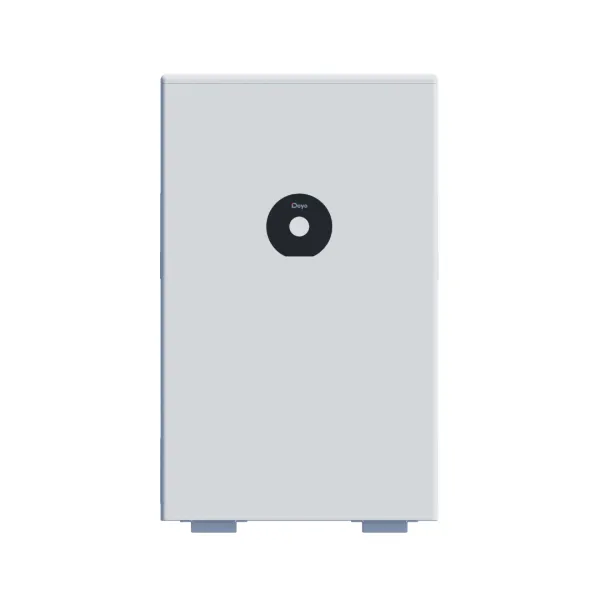
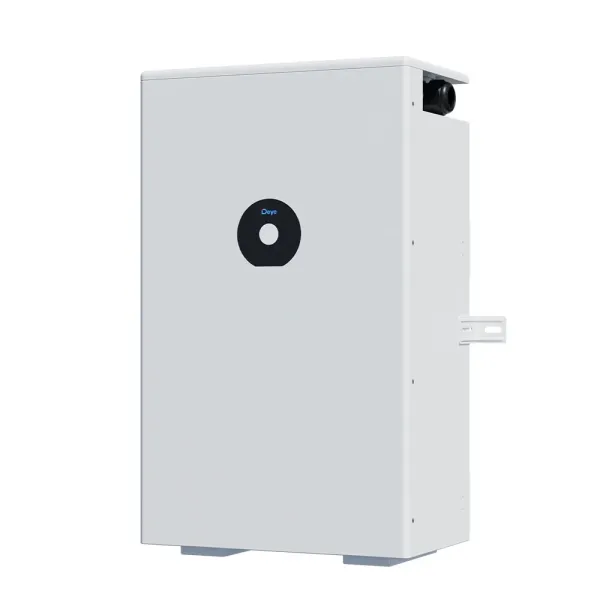
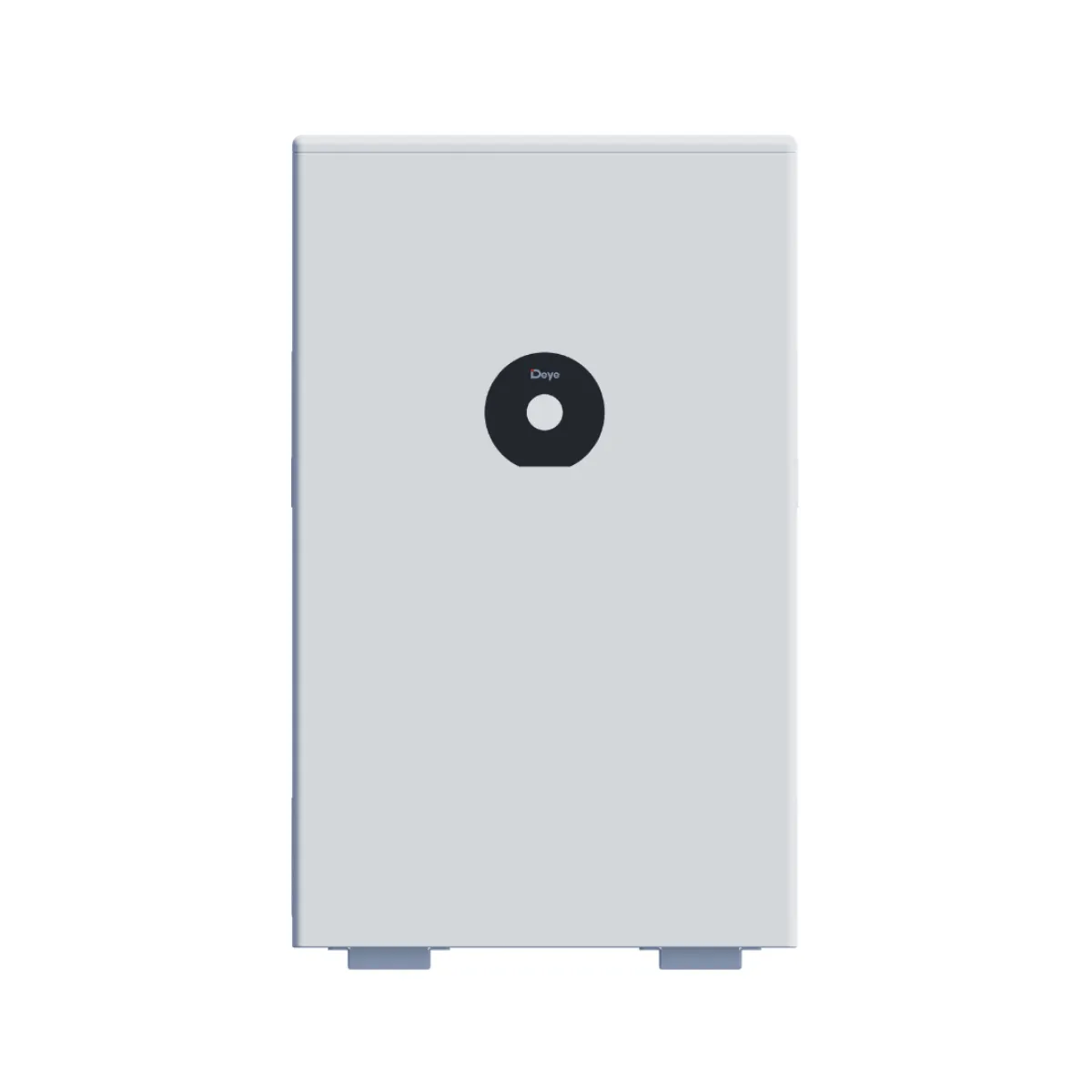
Deye SE-F12 Air-H 12.03 kWh LV Heated Energy Storage System
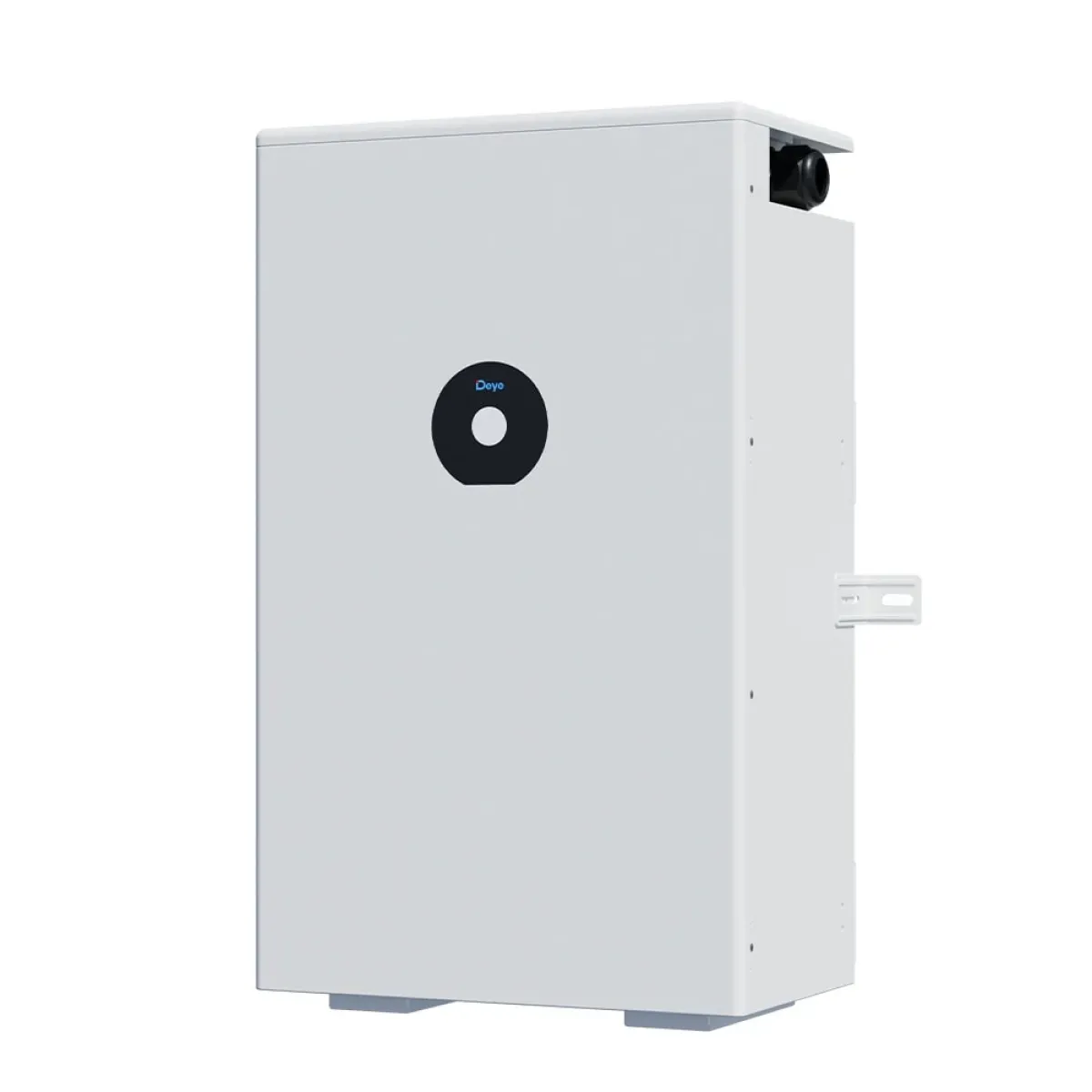
The Deye SE-F12 Air-H is a 51.2 V, low-voltage (LV) LiFePO4 battery module with a rated capacity of 12.03 kWh. It is installed as a battery alongside a hybrid inverter; it is not an inverter itself. It forms a system with Deye LV hybrid inverters. The “H” in the model number stands for built-in heating: the cell can be charged even in cold weather, which is a practical advantage under Hungarian winter conditions. This is the HU version, available exclusively on the Hungarian market.
What is it used for?
Primarily for residential solar systems, where the goal is to use the energy generated during the day in the evening and at night, thereby increasing self-consumption. It also works well in smaller commercial systems: in stores, offices, and agricultural facilities, where the required capacity is achieved by connecting multiple modules in parallel.
Thanks to its IP65 rating and built-in heating, it’s a good choice even if the battery is installed in an unheated garage, outbuilding, or on a covered outdoor wall surface. In such cases, the version without heating would be unable to charge during the winter.
How does it work?
During the day, the hybrid inverter charges the battery with excess PV generation; in the evening and at night, it supplies power to the loads from the battery. The built-in BMS monitors the cells and protects the module with an active fuse and a built-in circuit breaker. The BMS communicates with the inverter via CAN or RS485, so the inverter always knows how much charging and discharging current it can allow.
In practice, the heating system works as follows: when temperatures drop below freezing, the module heats the cells and only then allows charging. This way, it remains chargeable down to -20 °C. Each module can be charged continuously at 120 A and discharged at 140 A, which corresponds to approximately 7.2 kW of power output per module. The modules automatically address each other without DIP switches, and the system can be monitored and updated locally via a Bluetooth app or remotely through the Deye Cloud using a Deye inverter.
Technical and System-Level Benefits
The module is designed for 48 V (LV) systems, making it compatible with Deye low-voltage hybrid inverters, including both single-phase and three-phase LV models. A single 12 kWh module typically covers the evening and nighttime energy consumption of an average single-family home. If greater capacity is needed, up to 32 modules can be connected in parallel, or 64 using a CAN-Bridge.
Power output is an important system-level consideration. A single module can deliver approximately 7.2 kW. For larger LV inverters—such as those rated at 10–12 kW—at least two modules are required for the inverter to operate at full power on the battery side as well. A 95% depth of discharge and ≥6,000 cycles (70% EOL) ensure a long service life; the warranty is 10 years or 37 MWh of energy output, according to the manufacturer’s terms. It can be mounted on a wall or floor, and its flat design takes up very little space.
Differences
The SE-F12 Air and SE-F12 Air-H are electrically identical: they have the same capacity, voltage, charge and discharge currents, and dimensions. The only difference is the charging temperature. The Air can only be charged above 0 °C, while the Air-H can be charged from -20 °C with heating. Both can be discharged from -20 °C.
If the battery is installed in a heated room, boiler room, or living space, the Air model is sufficient. If the installation location may drop below freezing in winter, the Air-H is the right choice.
Important to Know
This is the HU version of the product, available only on the Hungarian market; it is not intended for sale in other countries. The module weighs approximately 93 kg, so the load-bearing capacity of the wall structure must be checked in advance for wall mounting, and two people are required for installation.
The storage temperature range is 0–35 °C; it is advisable to maintain this range during both storage and the period leading up to installation. The IP65 rating allows for outdoor installation, but avoid direct sunlight and areas prone to heat buildup, as high temperatures reduce the unit’s lifespan. In cold weather, the heating system consumes energy, so charging may start with a slight delay on winter mornings.
SOLARKIT Reviews
In Hungary, most batteries are stored in garages, basements, or outbuildings, where temperatures often drop below freezing in the winter. With an unheated module, the battery will not charge under these conditions, and some of the solar energy generated in the winter is lost. The Air-H solves this problem, and the additional cost pays for itself in the first winter through user satisfaction and fewer complaints.
We recommend it to installers who work with Deye LV hybrid inverters and don’t want to worry on-site about whether the installation location will be warm enough. Always size the system according to the inverter: up to 6 kW, one module is usually sufficient; above that, plan for two.