

EcoFlow energy storage
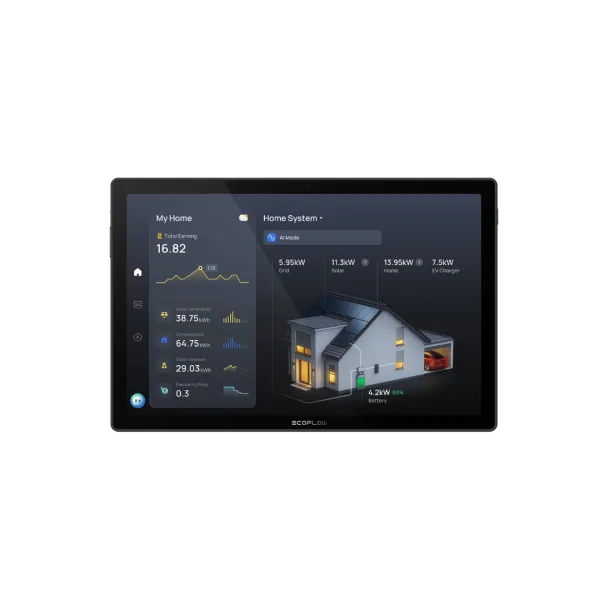
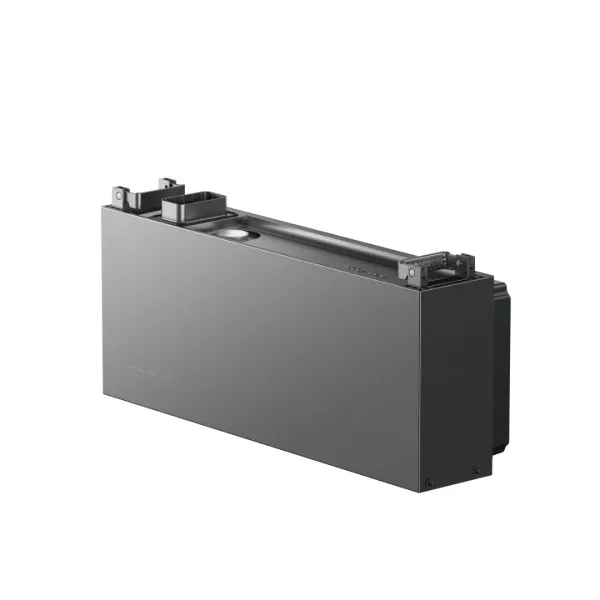
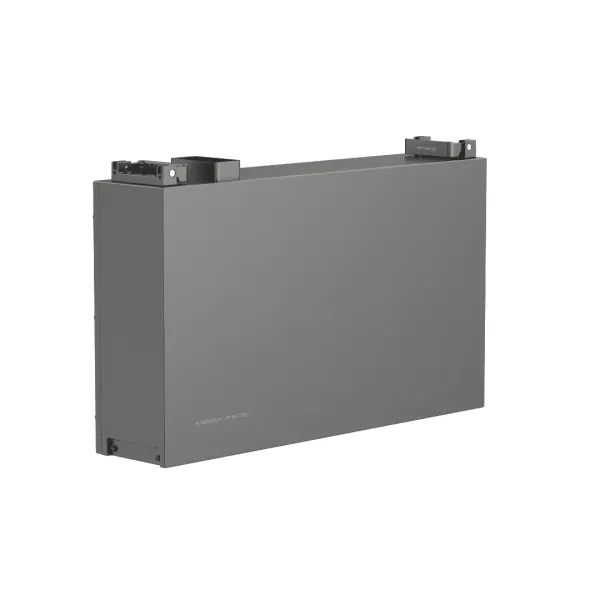
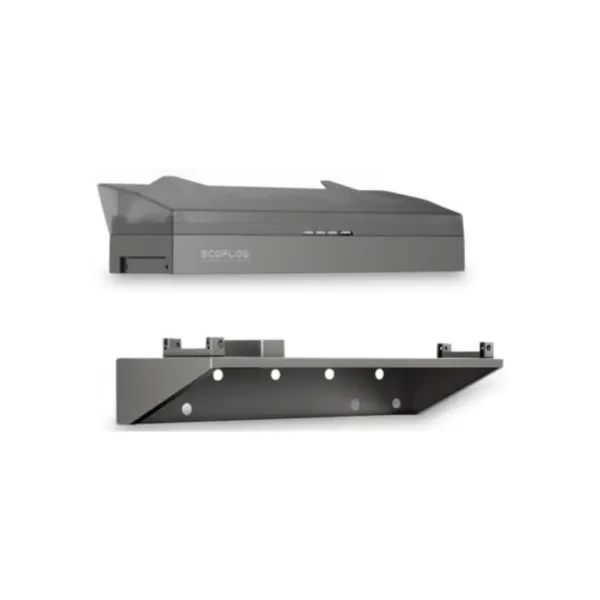
Discover the EcoFlow range of energy storage solutions!
Energy costs for industrial and commercial facilities are rising year after year, while grid instability and peak-time rates are placing an ever-greater burden on businesses. For installers and resellers, selecting the right energy storage system is critical: a poorly sized or unreliable solution not only jeopardizes the return on investment but also end-user satisfaction.
EcoFlow Energy Storage Systems
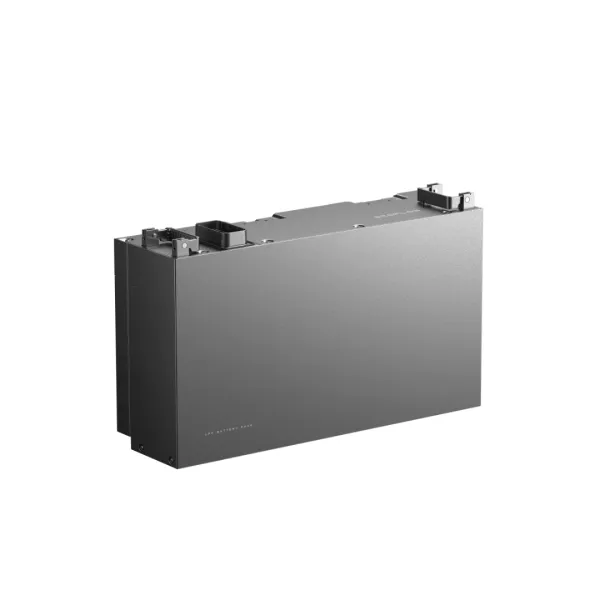
EcoFlow energy storage systems use modular LFP technology to make the most significant factor in the return on investment of solar power systems today—the self-consumption of generated energy—predictable. The system can be expanded in 5 kWh increments, so the same platform serves both to optimize self-consumption for single-family homes and to provide uninterrupted power to three-phase properties with heat pumps—without requiring you to stock equipment from multiple manufacturers.
The high-voltage (HV) battery architecture operates at a nominal voltage of 800 V and an operating voltage range of 720–960 V. This results in lower DC-side current, smaller wire cross-sections, and reduced ohmic losses during installation. The lithium iron phosphate (LFP) cell chemistry is thermally stable; each battery pack comes with its own BMS and a built-in aerosol fire suppression module, while the IP65 rating and operating temperature range of –20 to +50 °C allow for outdoor installation. Cooling is entirely passive and relies on natural convection: no fans, no moving parts, and no components subject to wear.
Thanks to a 95% depth of discharge (DoD), 4.8 kWh of the 5.12 kWh rated capacity is actually usable, and the manufacturer offers a performance warranty for 6,000 cycles and 15 years. Energy storage is thus not a risk factor in the proposal, but a predictable asset. The storage units can be directly paired with the PowerOcean hybrid models of the EcoFlow inverters in our lineup—with a 200–850 V MPPT range, 97.6% maximum efficiency, THD below 3%—and in three-phase configurations, they provide up to 12 kW of uninterrupted backup power, which is sufficient to operate a heat pump even during a power outage.
Check out the EcoFlow energy storage lineup and configure the capacity that best fits your project’s consumption profile and backup power requirements!
As a reseller, installer, or wholesale partner, please register with our B2B webstore before purchasing your first EcoFlow battery! Once your registration is confirmed, you’ll be able to log in to our B2B webstore, where you’ll always find up-to-date information on prices, inventory, and current discounts. Once you’ve logged in to the online store, you can make a purchase or place an online order quickly and easily.
Do you have any questions about our products?
As a B2B partner, please contact your designated sales representative; our team is happy to assist you and will gladly answer any questions you may have regarding your selected energy storage solution.
You can also find a lot of useful information in the frequently asked questions and answers below:
EcoFlow Energy Storage Systems
What EcoFlow PowerOcean battery capacity should I choose?
Don’t base your sizing on annual consumption; instead, start with consumption after sunset and in the early morning: the storage system provides the energy that isn’t covered by solar panel production and immediate consumption. For an average household without a heat pump, roughly half of daily consumption occurs during this period; thus, with a daily consumption of 12–14 kWh, a nominal capacity of 10.2 kWh (9.7 kWh usable) typically provides the best return on investment, while for homes with a heat pump or electric vehicle, it’s worth starting with a capacity of 15.3 kWh or higher.
The second sizing criterion is power, not energy. A battery module has a continuous discharge power of 3,300 W and a charging power of 2,500 W; these values scale proportionally with the number of modules. This means that the reserve power during uninterrupted supply is not determined solely by the inverter’s rated power: among the three-phase hybrid inverters in our product line, a 12-kW unit requires a sufficient number of battery packs to deliver its full reserve power.
Practical design tip: always leave room for expansion. Because modules can be retrofitted into the same stack, there’s no need to oversize the system initially—if the customer’s consumption increases (heat pump, air conditioner, EV charger), the system can be expanded later without replacing the entire system or installing a new inverter.
What is the difference between the 5.1, 10.2, and 15.3 kWh versions?
There is no technological difference between the three versions: each is built from the same LFP battery module with a rated capacity of 5.12 kWh, consisting of one, two, or three modules, respectively. The cell chemistry, BMS, IP65 protection rating, built-in fire protection module, 800 V nominal voltage, and warranty terms are identical across all three configurations, so the choice comes down solely to capacity and power requirements.
The usable capacity at a 95% DoD is 4.8, 9.7, and 14.5 kWh, respectively. Power output scales accordingly: continuous discharge is 3,300, 6,600, and 9,900 W, while charging is 2,500, 5,000, and 7,500 W. This is the most important practical difference, because a larger configuration provides not only a longer runtime but also a higher instantaneous load capacity during uninterrupted operation.
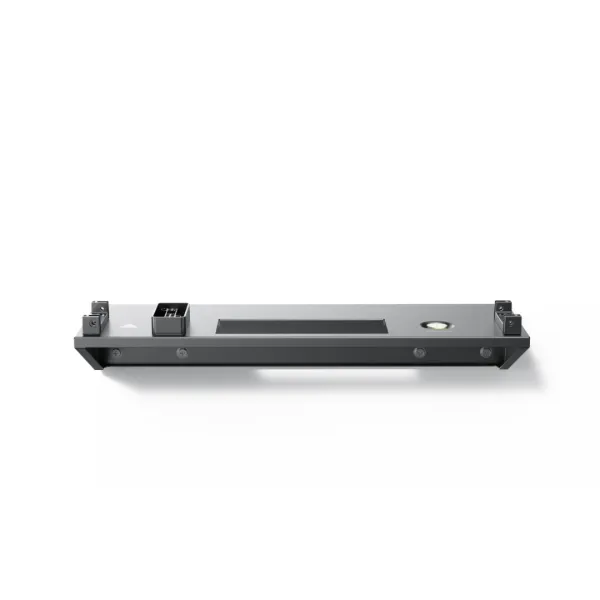
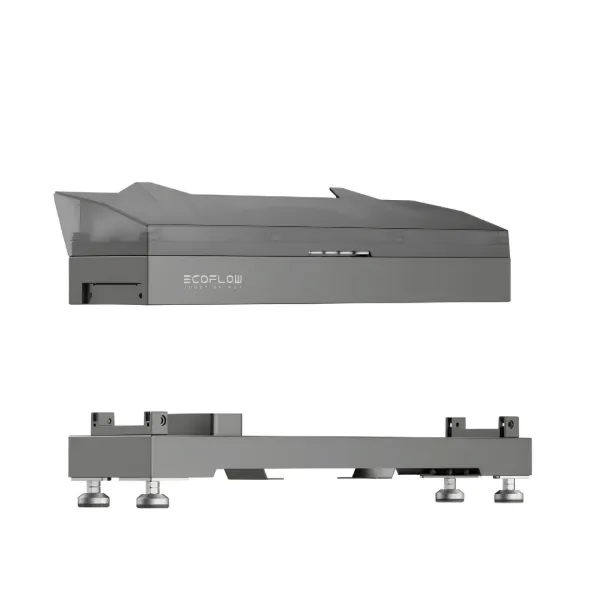
Physically, the modules are stacked on top of each other, so the footprint remains the same—only the height changes: one module measures 680×183×424 mm and weighs 55.5 kg. The base or wall bracket and the junction box are installed once, so future expansion is quick and requires minimal labor on-site.
What is the difference between the nominal and usable battery capacity?
The rated capacity (5.1 kWh per module) is the amount of energy physically stored in the cells, while the usable capacity (4.8 kWh) is the amount that the BMS actually releases from the system. The difference between the two is not a loss but an intentional safety margin: preventing deep discharge and overcharging is what keeps the lifespan of LFP cells within the 6,000-cycle range. This ratio is expressed by the depth of discharge (DoD), which is 95% in this case.
When preparing a quote, always base your calculations on the usable capacity, because that is what the customer will actually experience. It is also important to note that the 4.8 kWh DC-side value is subject to further adjustment due to the inverter’s conversion losses toward the grid or consumers; PowerOcean hybrid inverters have a maximum efficiency of 97.6%. For a 10.2 kWh system, therefore, it is realistic to expect AC-side energy output of around 9.3–9.4 kWh per full cycle.
The warranty also applies to the rated capacity: the manufacturer guarantees that at least 70% of the rated capacity will remain after 15 years or 6,000 cycles. It’s worth explaining this to the customer as well, because this clarifies why the amount of energy listed in the catalog isn’t the same as the amount that can actually be used.
Is the EcoFlow PowerOcean battery noisy when in use?
No. The battery modules are cooled by natural convection, a completely passive process, and the noise level specified by the manufacturer is no more than 35 dB. For comparison: this is roughly equivalent to the background noise in a quiet bedroom or a soft conversation, meaning the unit is practically inaudible in a normal residential setting.
The technical reason for this is that the modules contain no fans or any other moving parts. This means two things for the installer: first, there is no noise issue even if the mechanical room, garage, or entryway is located near living spaces; second, there are no wear-and-tear parts that could fail or require maintenance during the warranty period.
If noise is heard in the system, it typically comes from the inverter, not the battery. Thanks to its IP65 rating and operating temperature range of –20 to +50 °C, the battery can also be installed outdoors; the heated version ensures charging is possible even during cold winter months, providing a viable solution for noise-sensitive indoor locations.
SOLARKIT EcoFlow Battery Reviews
A recurring theme in independent trade magazine reviews and user reports on the EcoFlow PowerOcean products in our energy storage lineup is their high level of craftsmanship. One of the tests awarded the system a score of 92 out of 100 and a “very good” rating, specifically highlighting the high-quality aluminum casing and the fact that, thanks to its installation depth of just 19 cm, it fits even in tight mechanical rooms. According to several reports, the unit’s appearance is acceptable even in locations where the storage unit is visible.
In feedback from installers, quick commissioning was the most frequently mentioned advantage. According to a typical report, professional installation took roughly three hours, and activation could be completed in just a few steps by scanning a QR code. This directly translates to savings in on-site labor hours, which represents a quantifiable cost advantage for resellers and contractors.
During use, the quiet operation and modularity receive the most positive feedback. Owners repeatedly mention that, thanks to the fanless, passive cooling, the unit is practically inaudible, and they also note that capacity can be expanded later, module by module, without having to modify the existing system. Regarding the three-phase configuration, several users highlight that the 10–12 kW reserve capacity was sufficient to power even a single heat pump during a power outage.
On the safety front, reviews highlight the aerosol fire suppression module integrated into the battery packs and the independent BMS for each pack as a solution that is not common in this category. Professional reviews consistently rank the 15-year manufacturer’s warranty among the strongest offerings on the market, as a 10-year warranty is considered the standard in this segment.
Critical comments typically do not concern the hardware, but rather the marketing: several sources indicate that some online stores round up and advertise the modules as 5 kWh, while the actual usable capacity is 4.8 kWh. We also consider it important to clarify this, which is why we consistently communicate both the rated and usable capacities. For this very reason, we provide our B2B partners with precise data based on usable capacity and reserve power for every EcoFlow battery installation, ensuring that the quote given to the customer remains valid even after commissioning.