Comparison of hybrid solar panel system prices
Hybrid solar panel system price comparison
Hybrid solar power systems are currently among the most modern and flexible solutions in the field of home energy supply. These systems combine the advantages of grid-connected and stand-alone technologies, thus ensuring a stable energy supply and cost efficiency.
By 2025, hybrid solar system prices had become increasingly affordable, while the efficiency of the technology continued to improve. Below, we explain how such a system works, what factors influence its price, and how to choose the right solution for your needs.
What is a hybrid solar power system and how does it differ from a conventional one?
A hybrid solar power system is an energy supply solution that is connected to the public grid and has its own energy storage capacity, i.e., a battery.
In contrast, a traditional grid-connected solar power system relies solely on the grid and cannot operate in the event of a power outage.
Main differences:
- The hybrid system is capable of storing energy in a battery, while the traditional system feeds surplus energy back into the grid.
- In the event of a power outage, the hybrid solution continues to operate, as it supplies the most important consumers thanks to its energy storage capacity.
- The hybrid inverter can automatically switch from the grid to the battery, so the user can enjoy a continuous power supply.
The hybrid system is therefore ideal for those who want to achieve greater energy independence and minimize their dependence on the grid.

How does a hybrid system work in terms of energy storage and grid connection?
A hybrid system consists of three main components: solar panels, a battery, and an inverter. The solar panels convert sunlight into electrical energy, which is controlled bythe hybrid inverter and transmitted or stored as needed.
- The inverter converts the direct current generated by the solar panels into alternating current, which is needed to operate household appliances.
- If production exceeds consumption, the surplus is storedin the batteries.
- If the solar panels do not generate enough energy (e.g., in the evening), the system first uses the stored energy and then draws from the grid if necessary.
- In the event of a power outage, the system automatically switches to island mode so that essential equipment can continue to operate.
This solution ensures both energy independence and a continuous, secure supply.
What are the most common factors affecting the price of a hybrid solar panel system?
The price of a hybrid solar system depends on a number of technical and environmental factors.
The most important price-determining factors are:
- Solar panel performance and type – today , monocrystalline panels are typically installed, with the difference being determined more by cell technology (e.g. , back contact, N-type) and performance.
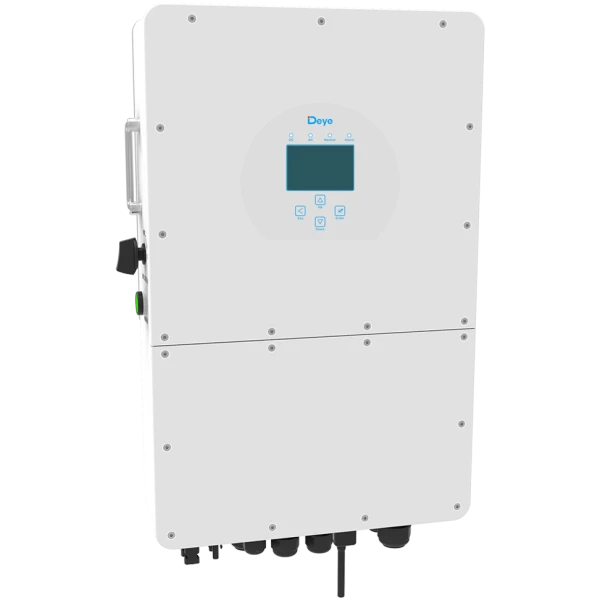
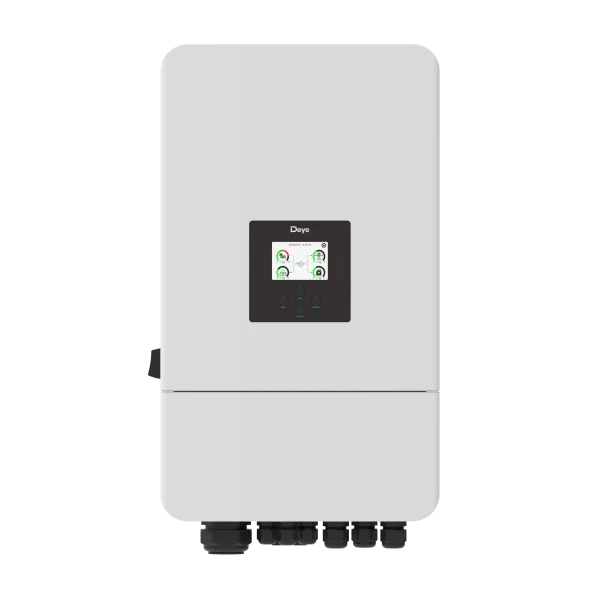
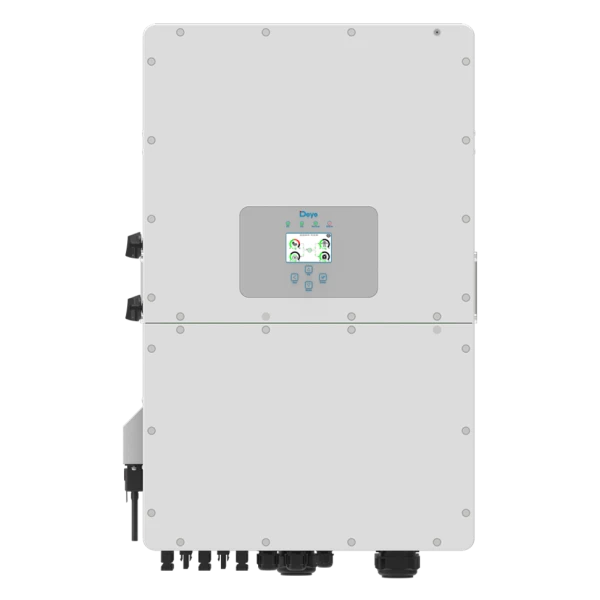
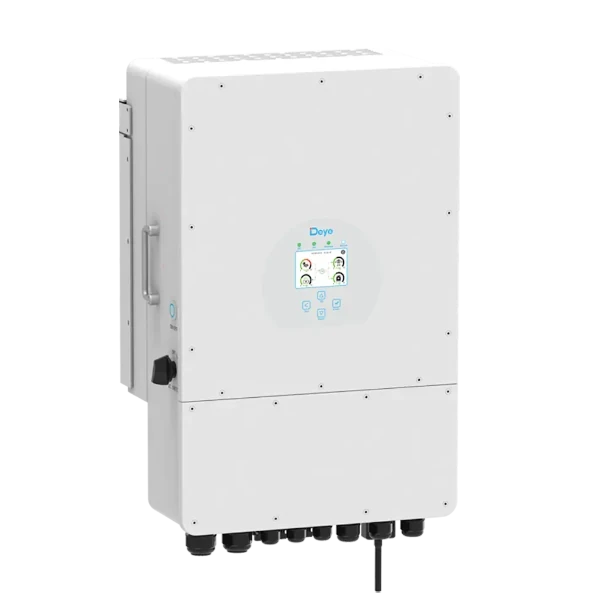
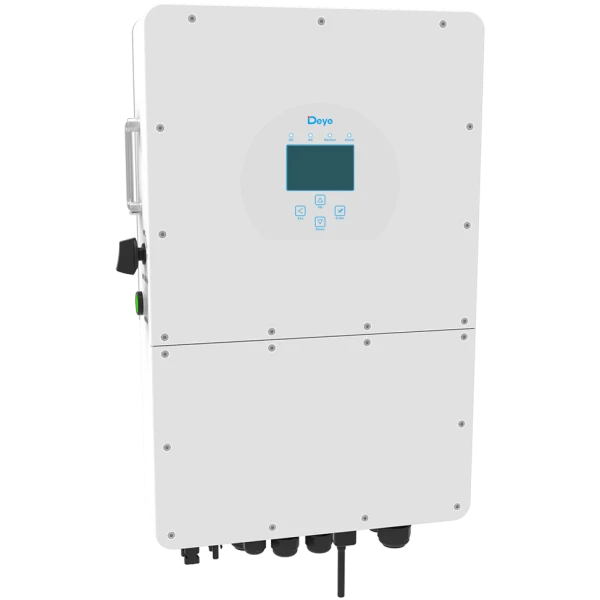
- Inverter and control system – the hybrid inverter is the brain of the entire system. Premium brands, such as Deye inverters, offer outstanding efficiency and a long service life.
- Battery capacity – greater capacity means greater energy independence, but can account for up to 30-40% of the cost.
- Support structure and installation – mounting systems adapted to the roof structure and installation costs can account for 10-15% of the total cost.
- Installation and licensing fees – connection to the grid, surge protection, and labor costs are all influencing factors.
A 5 kW residential system costs betweenHUF 3.5 and 5.5 millionon average .
Prices in 2025: this is how much a hybrid solar panel system costs today
By 2025, the price of hybrid systems will have stabilized.
The table below shows typical price levels:
Installation costs average an additional HUF 300,000–700,000 , while the price of solar panel systems and solar panel batteries is gradually decreasing.
Hybrid systems can thus achieve a self-consumption rate of up to 90–95%.
Price comparison: different manufacturers and performance levels
In 2025, the most popular manufacturers include Deye, Huawei,Solax
The differences are mainly in the efficiency of the inverters, the warranty period, and the sophistication of the energy management system.
- Deye: Deye inverters are good value for money, with 98% efficiency and compatibility with 10-20 kWh energy storage. The 5 kW models cost between 1.1 and 1.4 million HUF and are one of the most popular choices in the residential segment due to the manufacturer's reliability and long service life.
- Huawei: The Huawei SUN2000 series offers intelligent control and real-time monitoring. The 5 kW hybrid inverters cost between HUF 1.2 and 1.5 million and come with awarranty of up to10 years. Due to their high efficiency and advanced energy optimization, they are one of the most sought-after solutions in the premium category.
- Solax: Solax Power is also a premium brand and one of the market leaders in efficient inverters. Its products operate at 97.8% efficiency, can be flexibly adapted to various batteries, and offer a real-time online monitoring system.The three-phase SolaX X3-Hybrid-6.0-D inverter costs between HUF 950,000 and HUF 1,200,000, and the manufacturer provides a 10-year warranty and modular expansion options.
Long-term warranty and parts availability are also important considerations when making your choice.
Installation and maintenance costs
Depending on the roof structure and working conditions ,installation costs range fromHUF 300,000 to HUF 700,000, which includes assembly, cabling, commissioning, and the installation of safety elements.
For larger, stand-alone or industrial systems, this amount can rise to over HUF 1 million.
Maintenance is generally minimal:
- it is recommended to clean the solar panels and check the fastenings annually;
- updating the inverter software ensures optimal efficiency;
- batteries have a lifespan of 8-12 years, and it is recommended to check their capacity every two years.
The system has a lifespan of 20-25 years, so maintenance costs are negligible compared to the return on investment.
Subsidies and grant opportunities for hybrid systems
In 2025, the number of subsidies available for hybrid solar systems is limited, but several national and regional programs support investments inboth the residential and commercial segments.
Residential grants
- Rural Home Renovation Subsidy – available in settlements with fewer than 5,000 inhabitants, covering up to 50% of the costs, up to a maximum of HUF 3 million.
- Rural CSOK 2025 – can be used for the modernization and expansion of family homes, which can also include solar panel installation.
- Energy Efficiency Home Renovation Program – a combination of non-repayable grants and preferential loans for energy efficiency investments.
Corporate applications
- GINOP Plus SME Technology Loan Program – preferential financing for green energy investments by SMEs, including solar panel systems.
- Jedlik Ányos Program – supports electromobility developments and energy-efficient infrastructure.
- National Champions Program – helps domestic companies modernize their technology, including financing renewable energy projects.
- LEADER Rural Development Grants – available to small rural businesses for energy and sustainability developments.
When is it really worth choosing a hybrid solar panel system?
Hybrid systems are primarily recommended for those
- those withhigh energy consumption (e.g., electric heating, heat pumps, electric cars);
- who live in areasprone to power outages;
- those who want to take advantage of the 2025 subsidy schemes;
- those who striveforlong-term energy independence.
In these cases, the investment will not only pay for itself, but also increase the energy security of the household.
SOLARKIT recommendations: how to choose wisely from the various hybrid systems!
According to SOLARKIT experts, the basis for choosing the right system is an accurate assessment of energy needs.
The following aspects are worth considering:
- Consumption demand: measure your daily and monthly energy consumption to easily determine the required output.
- Reliable inverter: Deye inverters are highly efficient, long-term solutions.
- Quality components: choose certified solar panel systems and solar battery products.
- Accessories: the right mounting structure, surge protection, and cabling ensure the safety of the system.
- Expert installation: SOLARKIT engineers take care of every detail, from design to licensing.
The goal is to maximize the performance, reliability, and lifespan of your system.
FAQ – Frequently Asked Questions
1. What exactly is a hybrid solar power system?
It is a solution that combines the advantages of grid-connected and off-grid systems: it generates, stores and feeds back energy, so it continues to operate even during power outages.
2. How muchwilla hybrid system cost in 2025?
A 5 kW residential system typically costs between HUF 3.5 and 5.5 million, depending on the inverter and battery selected.
3. When is it worth installing a hybrid system?
If you have high energy consumption or want to increase your energy independence, a hybrid solution is the best choice.
4. What subsidies are available in 2025?
The MFB Green Home Program 2.0 and the RRF 2025 tender provide significant state subsidies, up to 50% in the form of non-repayable grants.
5. What is the payback period?
Hybrid systems generally pay for themselves within 7-10 years, depending on consumption and energy prices.