Home energy storage program – technical content for contractors
Home Energy Storage Program: Design and Technical Requirements for Contractors
The Home Energy Storage Program is one of the most important grant opportunities in recent years for the further development of domestic solar panel systems. The aim of the program is to make the installation of energy storage systems available to households with state support, thereby increasing the proportion of self-consumption and reducing dependence on the grid. However, as a contractor, it is not enough to offer a good technical solution: the precise compilation of the technical content of the home energy storage application is key to its successful submission.
In addition to compliance with the application, you also have a serious design responsibility. A poorly sized battery, inadequate inverter compatibility, or faulty phase design can easily lead to technical or billing problems. Therefore, a thorough understanding of the technical requirements of the energy storage application is not an administrative issue, but a basic professional requirement.
In this article, we will go through what you need to pay attention to when designing a residential energy storage system, how to choose between a low-voltage or high-voltage energy storage solution, what is the ideal capacity for an OEP project, and what questions you can expect from customers regarding the prices of home energy storage systems. At the end, we also provide specific SOLARKIT professional recommendations for application and implementation decisions.
What should you pay attention to when planning the technical content of your Home Energy Storage Program application?
The aim of the Home Energy Storage Program is to make energy storage for residential solar panel systems more widely available, thereby increasing the proportion of self-consumption and reducing the limitations arising from grid feed-in. One of the most important elements of the program's technical compliance is the accurate and proper compilation of the technical content of the home energy storage application, which must comply with the applicable grid, electrical safety, and application regulations.
The first step in the design process is to assess the connection point and grid conditions. The available power, the number of connection phases, and the type of inverter used in the existing solar system must be examined.
The advantage of a hybrid system is that it manages solar power generation and storage more efficiently, but it is essential to check the compatibility list.
As part of the tender documentation, a detailed technical description must be prepared, including:
-
the nominal power of the system,
-
the energy storage capacity in kWh,
-
the type of inverter,
-
the protection solutions,
-
the installation environment.
The contractor's responsibility here is not only technical but also financial: incorrectly submitted application materials may delay or jeopardize the drawing of subsidies.
Single-phase or three-phase residential energy storage system design? When is which ideal?
One of the most important issues in residential energy storage design is the number of phases. A single-phase system may be suitable for households with lower power requirements, typically with a connection current of 1×16–32 A. Its advantages are simpler implementation and lower system costs.
A three-phase system is justified if:
-
the connection power exceeds the single-phase limit,
-
larger electrical consumers are in operation (e.g., heat pumps, electric car chargers),
-
or the network operator requires a three-phase design.
The advantage of a three-phase energy storage system is a more even distribution of the load and more efficient integration of higher-performance solar panel systems. Inadequate phase design is one of the most common technical errors in the selection of energy storage systems, especially in tender projects.
It is important to note that the number of phases is essentially determined by the inverter: the energy storage battery is typically connected on the DC side and is therefore not "single-phase or three-phase" in itself. For this reason, an existing battery system can later be converted to a three-phase inverter without replacing the batteries, provided that the manufacturer's compatibility requirements are met. When making a decision, it is therefore important to carefully plan the selection of the inverter and the connection specifications (number of phases, amperage, consumer profile).
Low voltage vs. high voltage energy storage systems: What is the difference?
Low voltage energy storage systems typically operate at a nominal voltage of around 48 V. They have a modular design, are easier to expand, and are ideal for smaller systems. Their advantages are their lower price and wide inverter compatibility.
In contrast, high voltage energy storage systems operate in a voltage range of 150-800 V. These:
-
operate with higher efficiency,
-
work with lower current at the same power,
-
are typically compatible with more modern hybrid inverters.
High-voltage energy storage solutions are particularly ideal for larger-capacity projects where system performance optimization is a primary consideration.
When making your selection, you should consider:
-
inverter compatibility,
-
the desired capacity,
-
expandability,
-
and compliance with tender requirements.
How much energy storage capacity can be accommodated within the OEP's budget of HUF 2.5 million?
In OEP projects, determining capacity is not purely a technical issue. In practice, the first relevant consideration is how much energy storage capacity can be achieved within the subsidy budget available for the tender – typically around HUF 2.5 million – while complying with the eligibility rules.
It is important to note that the lower limit for eligible energy storage capacity in the OEP scheme is 10 kWh, so smaller systems, such as 5 kWh, are not relevant in this type of application. The design therefore starts from a minimum capacity of 10 kWh.
Once the size range that can be achieved within the budget is clear, the next step is technical optimization tailored to the household's consumption profile and the size of the solar panel system.
The average annual electricity demand of a Hungarian family home is between 3,500 and 6,000 kWh, but this can be significantly higher in the case of electric heating, heat pumps, or electric car charging. The goal is to be able to store some or all of the excess production during the day and use it in the evening or early morning.
Typical size ranges in the OEP project:
-
10 kWh – the minimum eligible capacity, the basic solution for households with lower consumption
-
10–15 kWh – a common choice for medium-sized solar panel systems
-
Above 15 kWh – justified for higher consumption, heat pumps or electric car charging, if the subsidy framework allows it
The useful capacity of the battery must also be taken into account when sizing, as the nominal value is not always the same as the actual amount of energy that can be extracted. Modern lithium battery systems typically operate at an efficiency of over 90%, but the actual available energy also depends on the set charge-discharge range.
A special feature of OEP is that the final capacity is not determined solely by the ideal technical requirements. The subsidy framework, the range of eligible items, and the total system price all influence how much energy storage can realistically be installed. Therefore, technical optimization and financial constraints must be addressed simultaneously during the design phase.
Why is expandability a critical factor when selecting an energy storage system?
One of the most common strategic mistakes in selecting an energy storage system is to ignore future needs. An energy storage system is typically designed for a lifespan of 10 to 15 years, while the energy needs of households can change significantly in just a few years.
Typical scenarios:
-
purchase of an electric car,
-
installing a heat pump,
-
switching to fully electric heating,
-
installation of a larger solar panel system in addition to the existing one.
Modularly expandable systems allow the initially installed 5–10 kWh capacity to be doubled later on. This is particularly important in the case of OEP projects, where the investment starts in the successful tender phase, but further development can be carried out independently.
A non-expandable system can limit a household's energy independence in the long term, which is why expandability is now considered a basic requirement.
Installation environment: indoors, garage, outdoors
The placement of an energy storage system requires serious technical planning. Manufacturers typically specify an optimal temperature range, which is usually between 0 and 40 °C. In extreme temperatures, the performance and life of the battery may be reduced.
Advantages of indoor installation:
-
stable temperature,
-
less humidity fluctuation,
-
better protection against mechanical damage.
Installation in a garage is a common solution, but attention must be paid to adequate ventilation and fire safety regulations. For outdoor installation, IP protection and adequate foundations are required.
The installation environment is also part of the application documentation, so its accurate description is an integral part of the technical content of the home energy storage application.
Inverter compatibility is one of the most common errors
One of the most common technical problems is the incompatibility of the inverter and the energy storage system. Not all batteries work with all inverters, especially in hybrid systems.
Compatibility problems can arise due to:
-
differences in communication protocols (CAN, RS485),
-
software version differences,
-
unsupported battery model,
-
voltage level differences
It is the responsibility of the contractor to check the manufacturer's compatibility list, especially in the case of high-voltage energy storage, where the voltage range and inverter specifications impose stricter requirements.
In the OEP system, low voltage inverters operate in a closed ecosystem and can therefore only be paired with the manufacturer's own batteries. Deviating from this may not only void the warranty, but also cause problems with tender compliance.
What are the most frequently asked questions from residential customers?
In an OEP project, customer dilemmas are at least as important as technical issues. A significant part of the contractor's work is not only design, but also education. Residential customers typically approach the investment not from an electrical engineering perspective, but from the perspective of return on investment, safety, and price sensitivity.
One of the most common questions is whether it is really worth installing an energy storage system alongside solar panels. It is important to clarify here that the primary goal of energy storage is not necessarily short-term profit, but rather increasing self-consumption, managing grid constraints, and strengthening energy independence. In the current regulatory environment, due to grid feed-in restrictions, a well-sized system can significantly improve the self-sufficiency ratio.
Another common question is whether the system will work in the event of a power outage. This depends on whether the selected inverter supports the backup function. A hybrid system designed for island operation can provide a real backup supply, but there are specific technical requirements for this.
Customers also regularly ask about the system's lifespan. Modern lithium battery systems typically have a lifespan of 6,000 to 10,000 cycles, which can mean up to 10 to 15 years of operation under average use. It is important to emphasize that the manufacturer's warranty and the number of cycles must be interpreted together.
Another frequently asked question is whether an energy storage system can be retrofitted to an existing solar panel system. The answer is yes, but only if the inverter is compatible or can be replaced. Here again, it is crucial to choose the right energy storage system.
Home energy storage prices: What determines the cost in the OEP?
Home energy storage prices depend on several factors, and this must be clearly communicated to customers. The final price depends not only on the battery capacity, but also on the overall system architecture.
The cost is influenced by:
-
the storage capacity (kWh),
-
low voltage or high voltage energy storage technology,
-
the type of inverter (new installation or integration into an existing system),
-
installation environment,
-
construction labor costs,
-
permit and application administration.
A system with a capacity of 10–15 kWh and a backup function can represent an investment of several million forints.
It is important to note that for households applying for subsidies, a significant portion of the investment can be financed from grant funds. However, the key to a successful project is accurate technical planning and full compliance with the technical requirements of the energy storage grant.
When communicating with customers, it is worth using specific examples to illustrate the cost-capacity ratio and the expected annual savings.
SOLARKIT recommendations before submitting the application and starting the investment
An energy storage project will only be truly successful if it is not only technically sound, but also well thought out in terms of the application and implementation. In the case of the Home Energy Storage Program, it is particularly important that the technical content of the home energy storage application is accurate, detailed, and based on real technical parameters, as the most common mistakes occur during the design phase. Before starting the investment, it is always recommended to carry out a preliminary technical audit to assess the condition of the existing solar panel system, the connection capacity, the type and compatibility of the inverter, and the consumption profile of the household. A thorough assessment helps prevent inverter compatibility issues, the selection of oversized or undersized batteries, and licensing and grid compliance risks.
When selecting an energy storage system , it is not enough to base your decision solely on price. You need to consider whether a low-voltage or high-voltage energy storage system is more suitable for your household, the extent to which the system can be expanded in the future, the manufacturer's warranty terms, and whether a backup function is provided. Compliance with the tender is also a key issue, as only configurations that meet the technical requirements of the energy storage tender can be recommended.
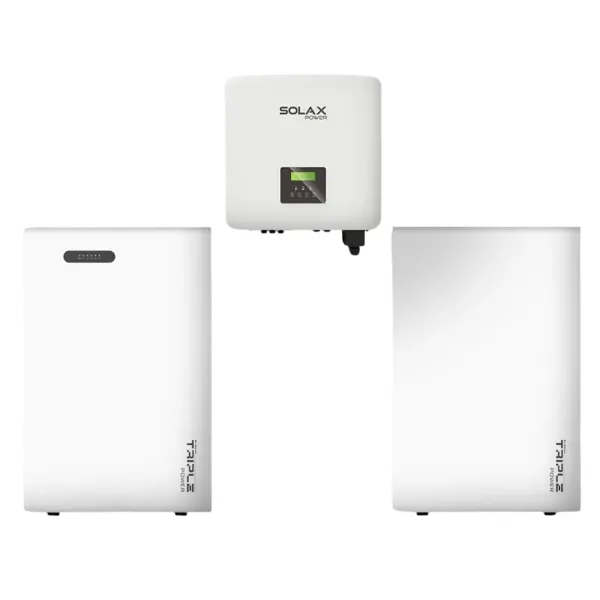
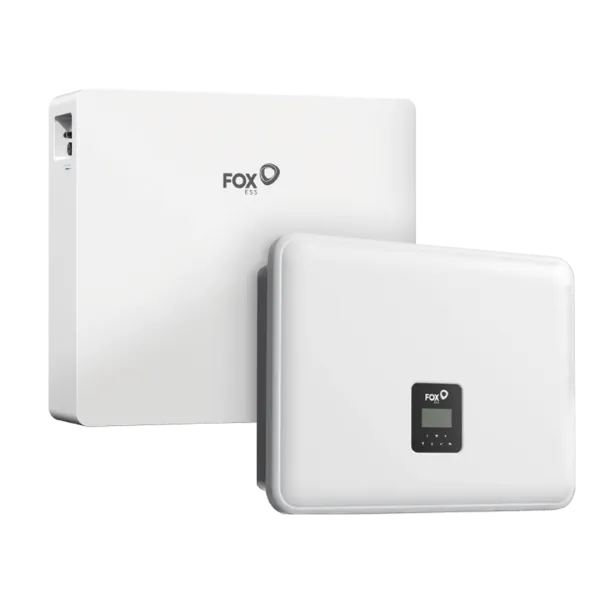
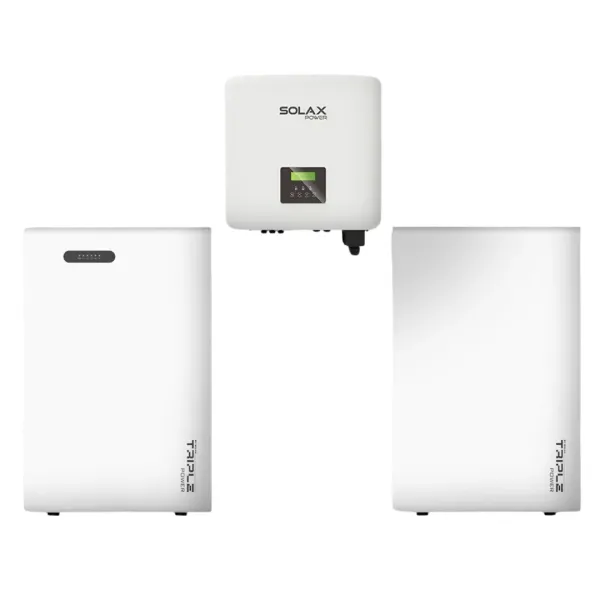
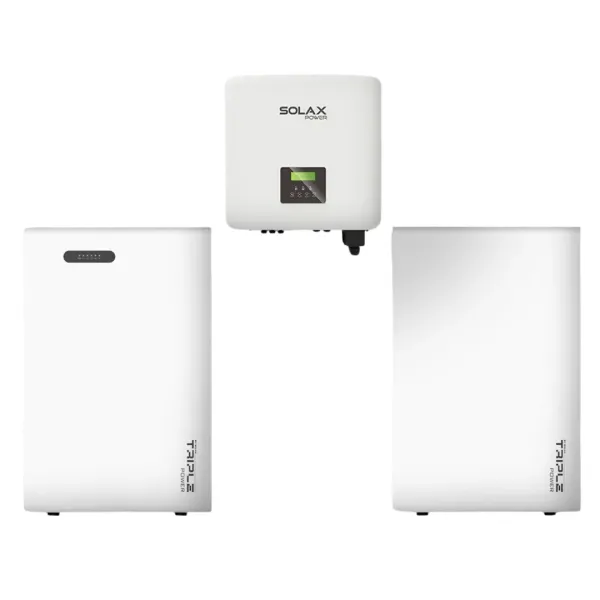
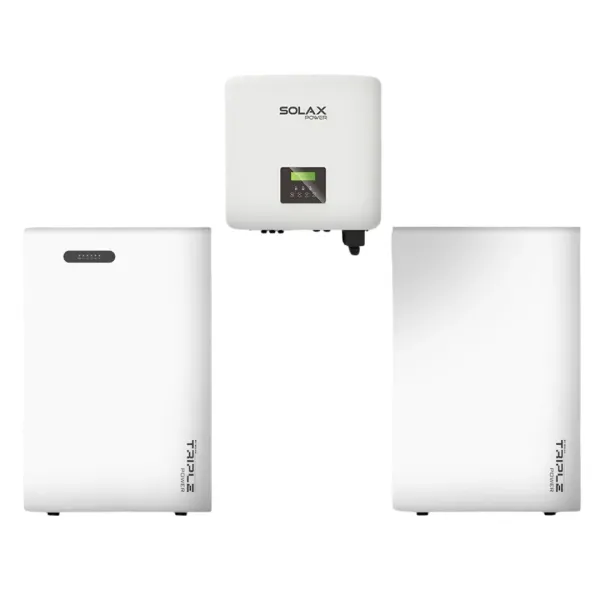
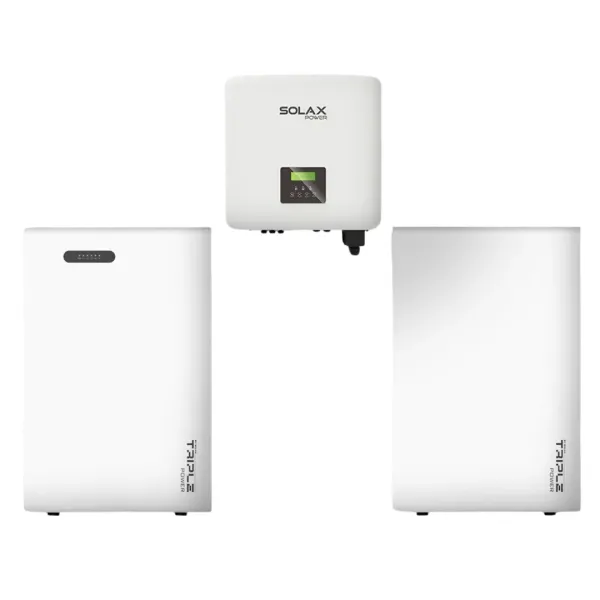
The contractor's risk can be significantly reduced by using manufacturer-validated package deals. Pre-assembled, compatible inverter-battery combinations guarantee stable system operation and warranty security, especially in the case of hybrid systems. Solutions specifically optimized for the OEP scheme, such as SolaX OEP offers, are highly recommended, as they support the contractor's work with factory compatibility, scalable capacity, and simpler tender documentation.
The tender environment is constantly changing, so it is important to keep up to date with the latest information. You can read about the detailed conditions of the 2026 scheme here: residential energy storage tender 2026. A project will run smoothly if the technical plan is accurate, the selected system complies with the regulations in all respects, the customer has realistic expectations, and the documentation is complete. A carefully prepared investment provides a stable, reliable, and economical solution for households in the long term, while also strengthening the contractor's professional credibility.