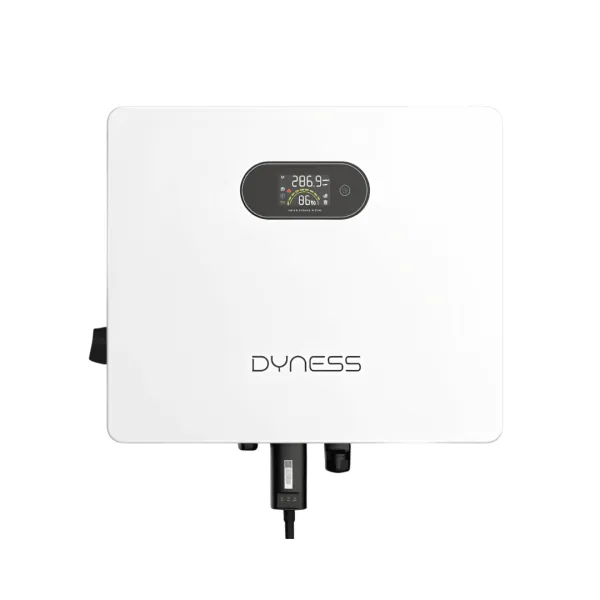
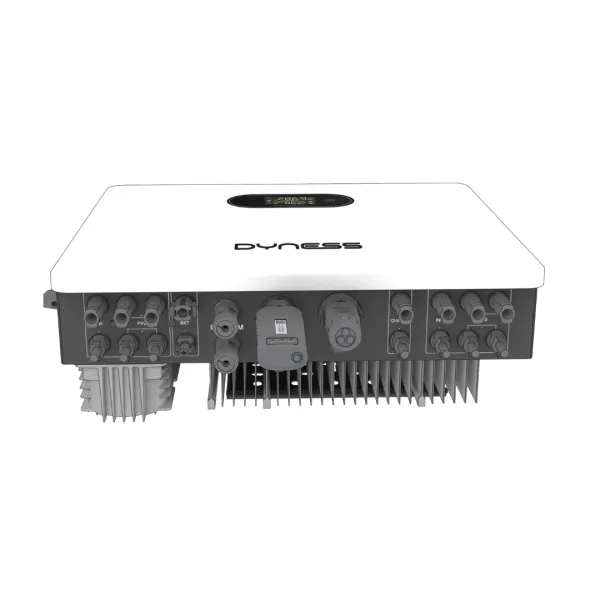
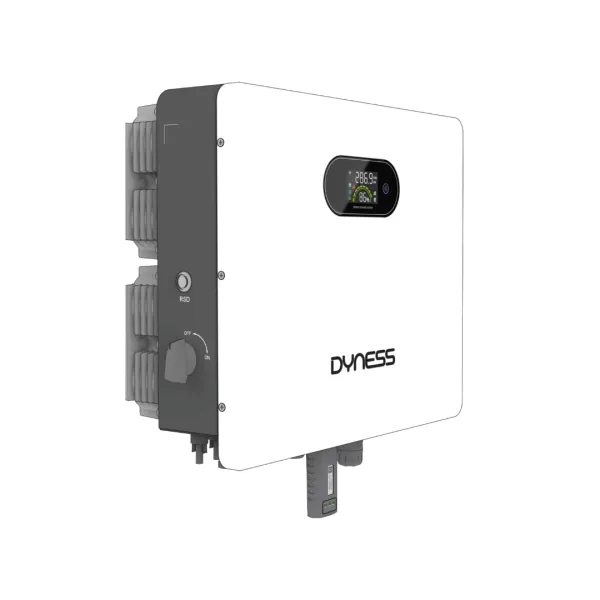
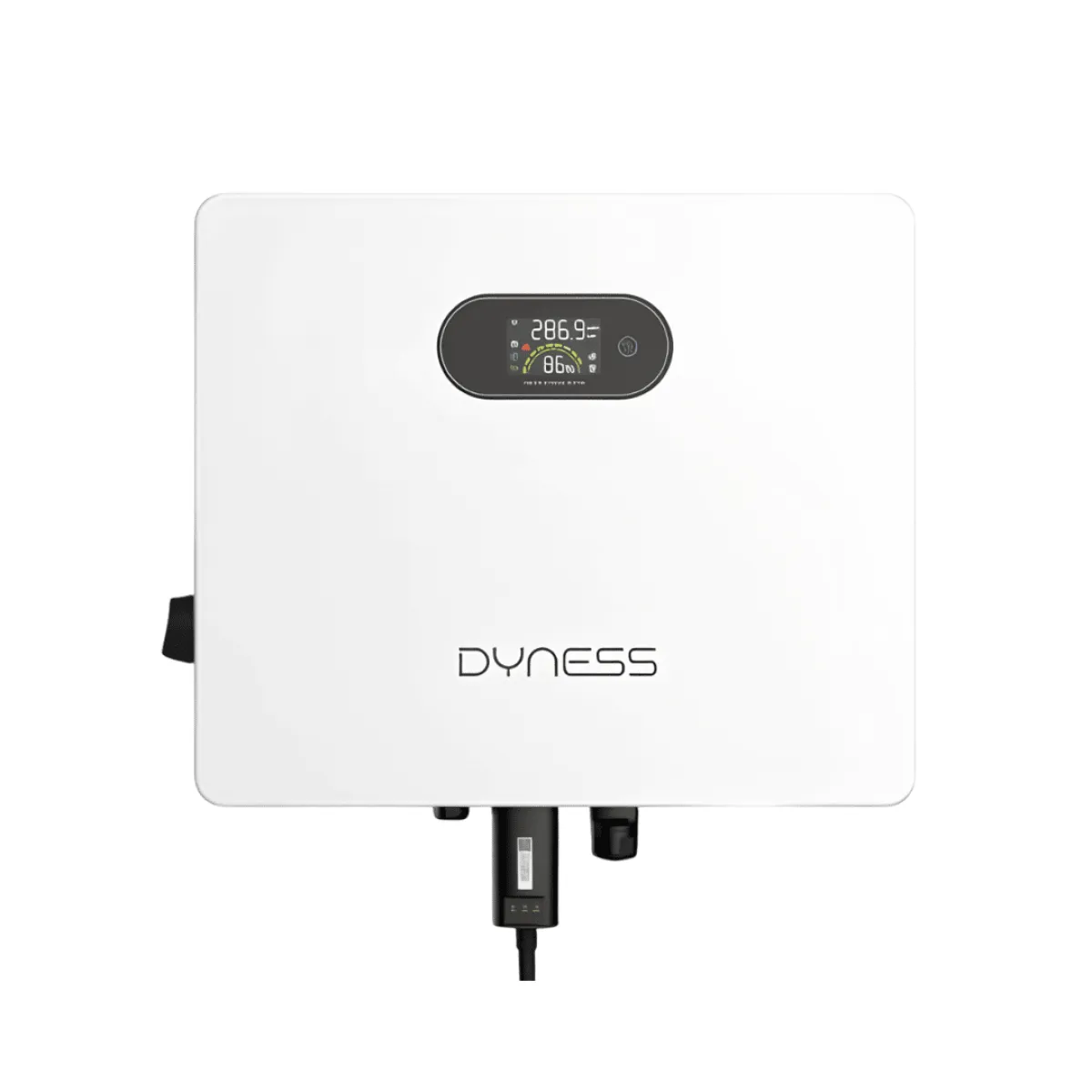
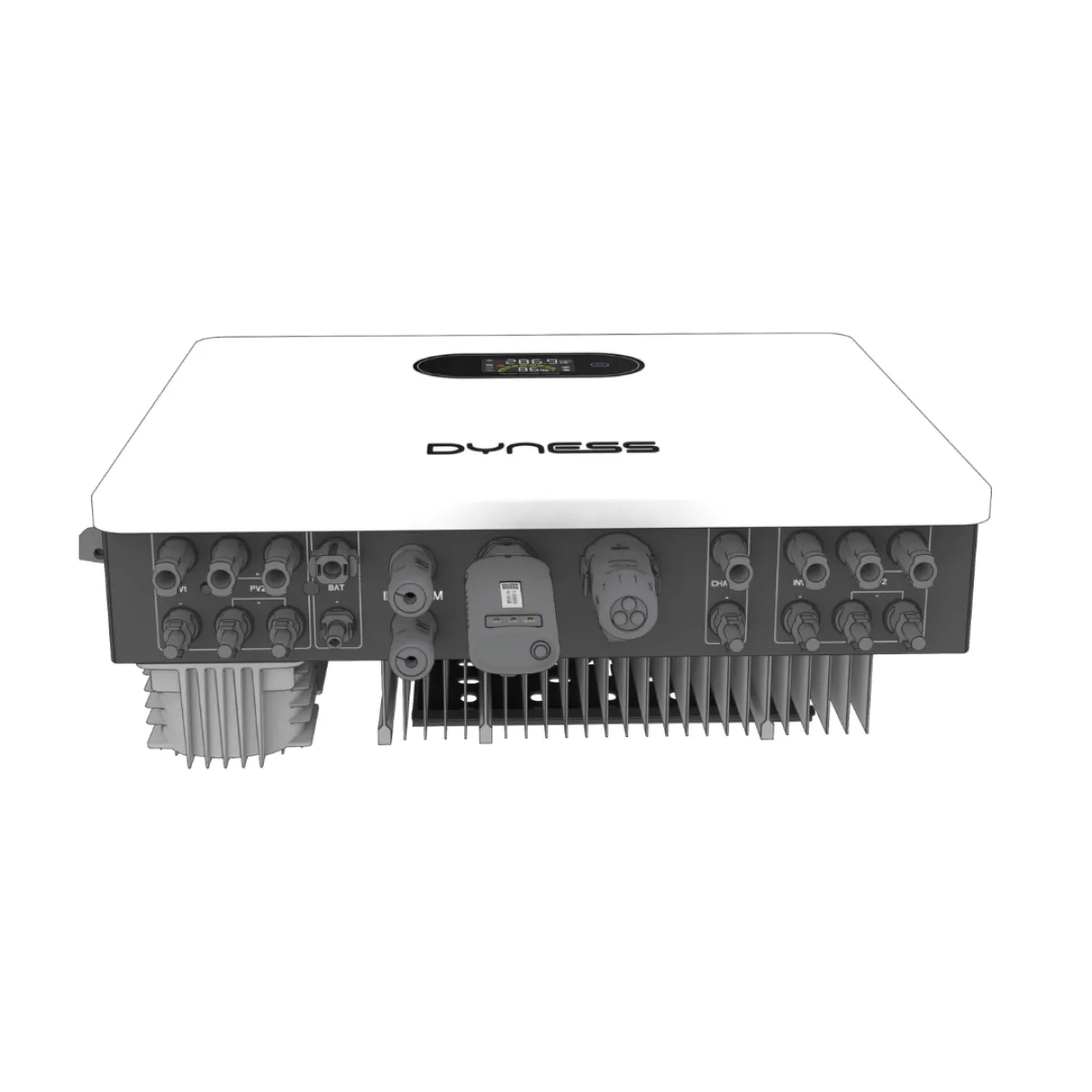
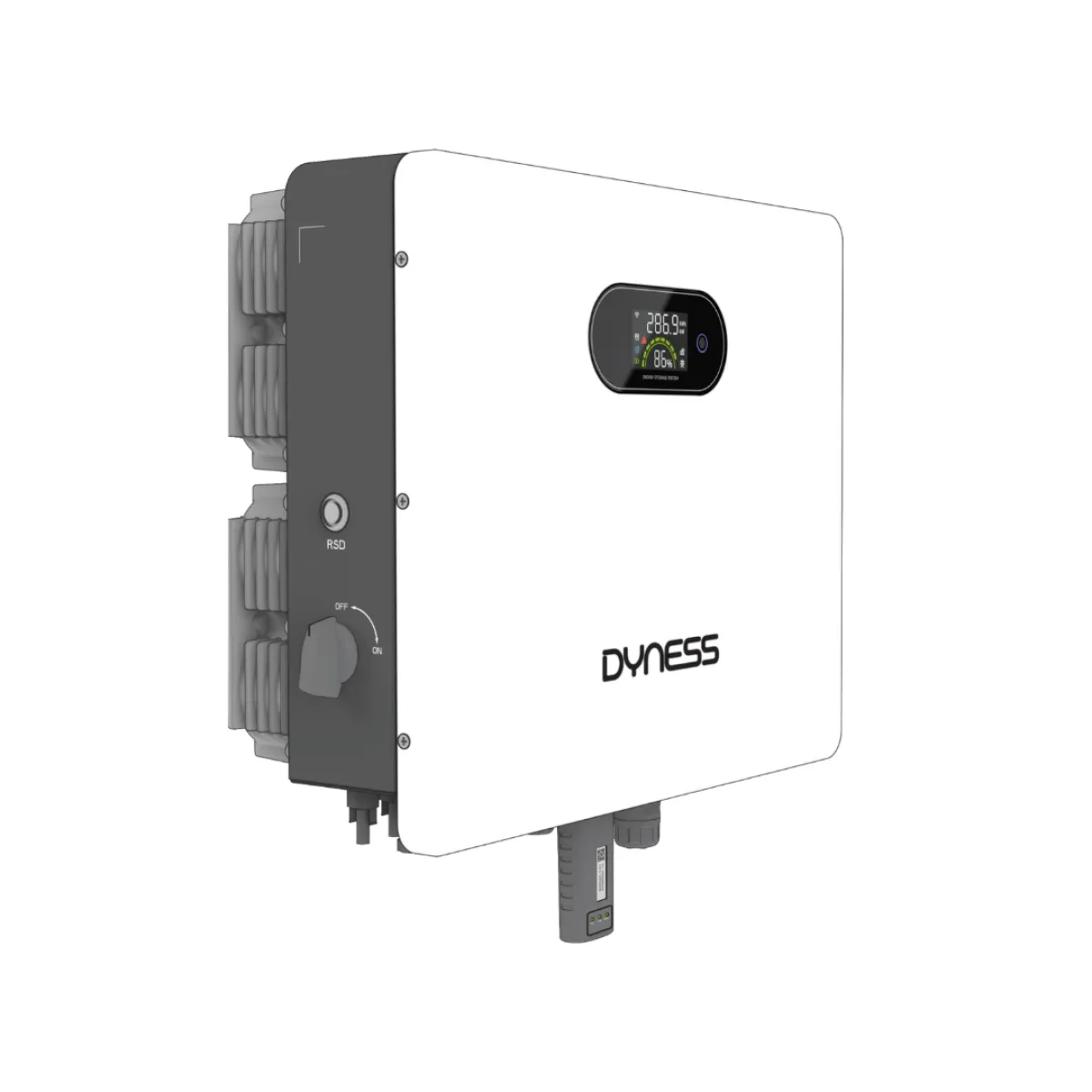
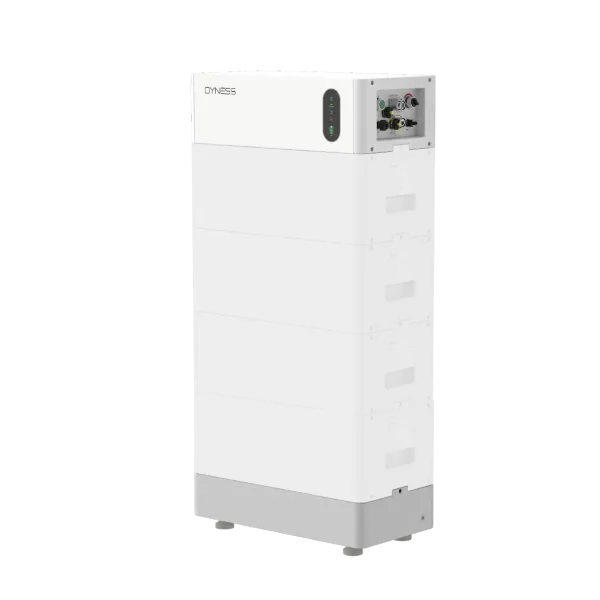
Dyness D6K-PVC Solar Mate 6kW DC-Coupled HV Energy Storage Converter
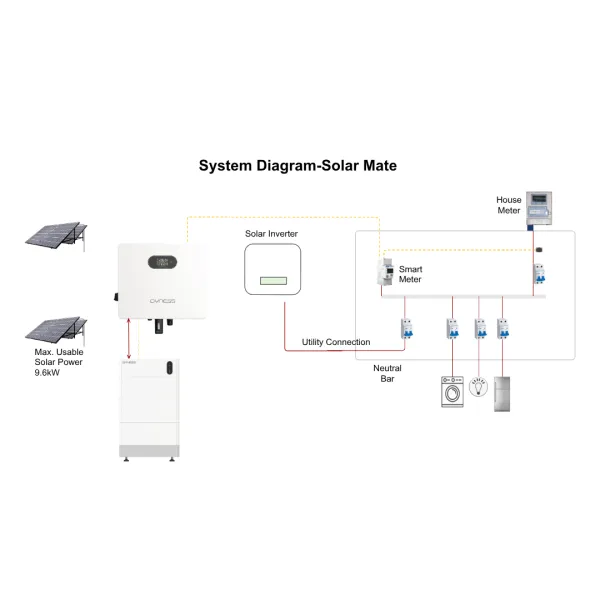
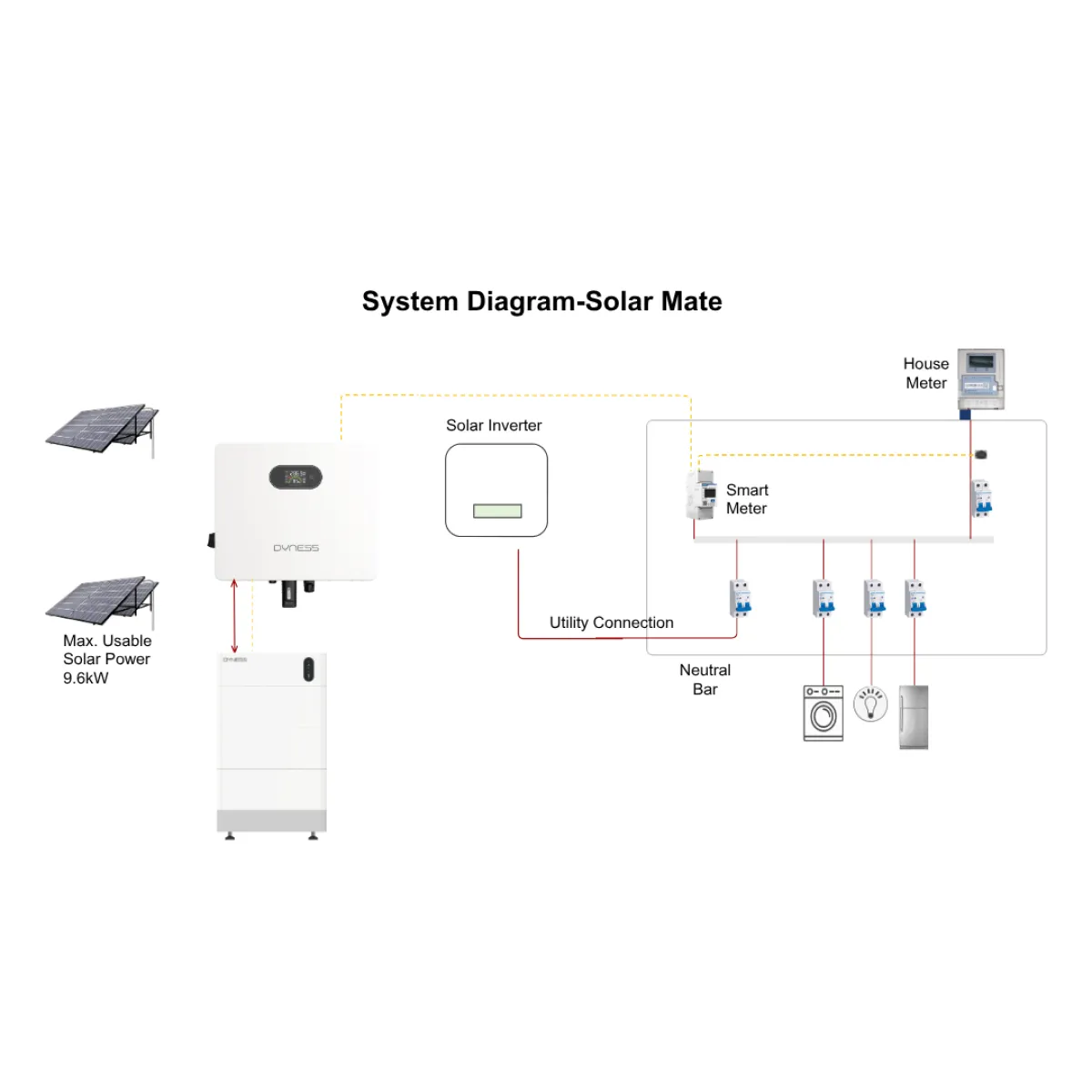
This product is a DC-DC energy storage converter, not an inverter. It does not generate AC power and does not replace an existing solar inverter: it is installed on the DC side between the solar panels and the existing inverter, and manages the charging and discharging of the high-voltage battery.
The Solar Mate is designed to solve a single specific problem: an existing solar system needs a battery, but the customer does not want to replace the inverter, does not want to make changes to the AC side of the system, and does not want to wait months for a new utility permit.
The D6K-PVC is the smaller model in the series (5 / 6 / 8 / 10 / 12 kW) with a system voltage of 600 V and a 9.6 kW PV input.
What is it used for?
Exclusively for retrofit projects: to retrofit an existing solar system with storage. This is the largest untapped market segment in Hungary, where hundreds of thousands of installed PV systems operate without storage.
The installation process is key. The Solar Mate is installed between the PV strings and the existing inverter, on the DC side. The existing inverter remains in place, the modules remain, and the AC-side wiring and metering point remain untouched. Therefore, there is no need to report component replacements, no AC-side modifications are required, and the grid connection authorization process does not need to be restarted.
A typical application for the 6 kW version: a single-family home with an existing PV system of around 6–9 kWp, where the solar system was built during the net metering era, and the customer now wants to increase self-consumption. This is the most common system size in Hungary for installations prior to 2020.
How does it work?
The device manages two MPPT trackers, with one PV string per MPPT, for a total PV input of up to 9.6 kW. The input voltage is rated up to 600 V; the MPPT operating range is 80–480 V; the MPPT range corresponding to the rated power is 230–480 V, the SPS startup voltage is 60 V, and the rated input voltage is 350 V. Each MPPT has an input current of 16 A and a short-circuit current of 21 A.
The 60 V startup voltage and the MPPT range starting at 80 V are advantages in retrofit projects: the device can operate even in older systems built with shorter strings.
The DC output side connects to the existing inverter: max. 6 kW output power, max. 600 V output voltage, 300 V nominal, 10/10 A nominal output current, two output trackers.
The battery side accepts a voltage range of 80–490 V, with a maximum charging and discharging current of 40/40 A and a charging and discharging power of 6.6 kW. Communication with the BMS takes place via a CAN bus.
The operating logic is simple. During the day, if generation exceeds consumption, the Solar Mate directs the surplus into the battery before it reaches the existing inverter. If generation is low, it feeds the stored energy back to the inverter on the DC side, allowing the inverter to generate power even without sunlight. Backfeed protection and load monitoring are built-in.
Setup is done via a one-click configuration, which is crucial for retrofit projects because the installer may not be familiar with the third-party inverter on-site.
Technical and System-Level Benefits
PV input: max. 9.6 kW, 600 V max. voltage, 80–480 V MPPT range, 230–480 V for rated power, 60 V SPS startup, 350 V rated input voltage, 2 MPPT channels, 1 string per MPPT, 16 A input current and 21 A short-circuit current.
DC output: max. 6 kW, max. 600 V, 300 V nominal, 10/10 A nominal output current, 2 output trackers.
Battery: 80–490 V lithium, 40/40 A max. charge and discharge current, 6.6 kW charge and discharge power, CAN communication.
Efficiency: MPPT efficiency 99%, max. efficiency 98.3%. This is the best value in the series, even higher than the 98.2% of the larger 1000 V models. In a DC-coupled topology, this matters because the stored energy does not undergo two AC-DC conversions, as it would with an AC-coupled off-grid storage system.
Protection: PV polarity protection, battery polarity protection, overcurrent and overvoltage protection, PV DC disconnect, DC overvoltage arrester, and optional PV AFCI.
Communication and integration: CAN to the battery BMS, RS485 to the EMS and external meter, remote shutdown input, IO input, dry-contact output, Wi-Fi and Bluetooth to the cloud. Display via LED, LCD, and app. It comes with the same features as the 12 kW model, so the smaller model isn’t stripped down either.
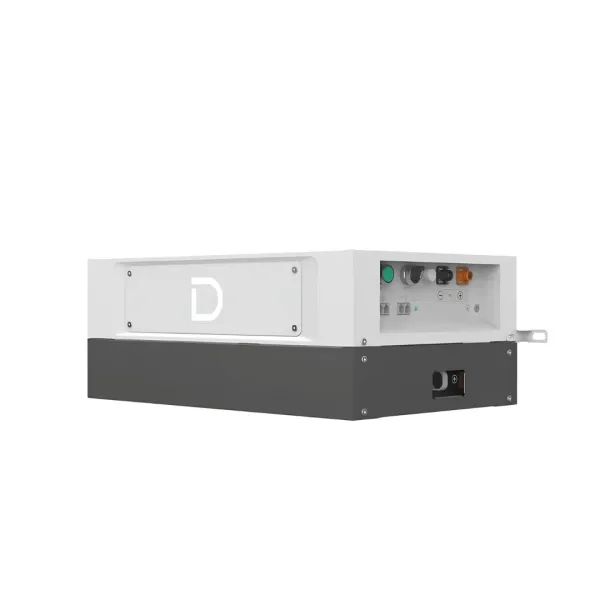
Operating temperature range: −25 to +60 °C; humidity: 0–95%; can be installed at altitudes up to 3,000 m. Cooling via natural convection, fanless, with a noise level below 35 dB. Dimensions: 470 × 400 × 185 mm; wall-mounted design; IP65 protection rating; approved for both indoor and outdoor installation.
Compliance: IEC 62109-1, EMC EN 61000-6-1 / -6-2 / -6-3 / -6-4, EN 62920, EN 55011, EN 61000-3-2 / -3-3 / -3-12, EN IEC 61000.
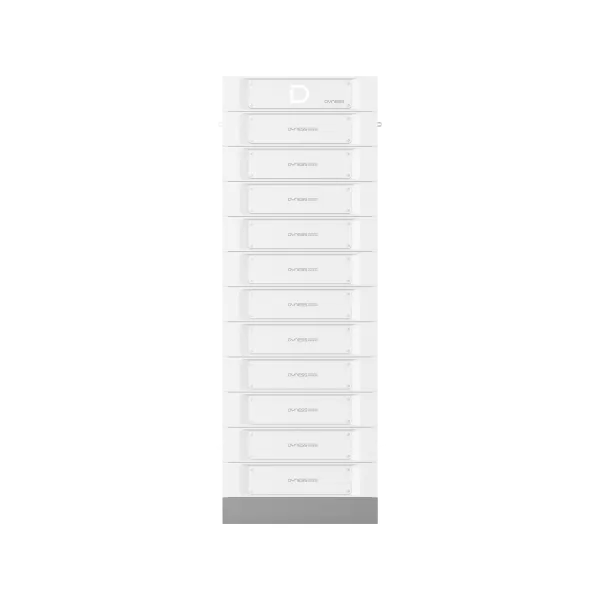
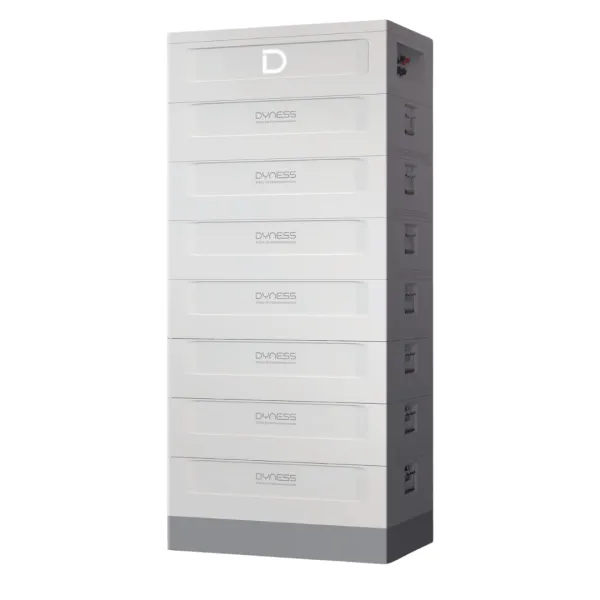
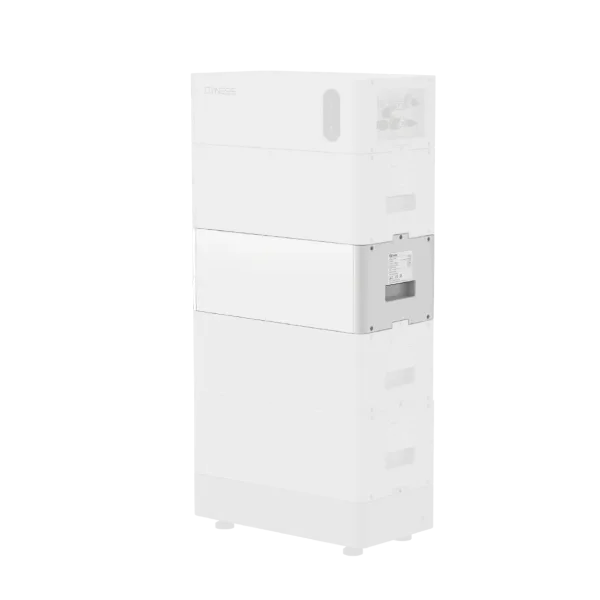
Compatible products from the SOLARKIT lineup:SBDU100 BMS and base,Stack 100 battery module,Stack 100 Pro PDU and base,Stack 100 Pro battery module,Tower Pro battery module,Tower Pro BMS and base.
Differences
The Solar Mate series is available in five power levels and is divided into two technical groups based on system voltage.
600 V group:
D5K-PVC: 8 kW PV, 600 V, 80–480 V MPPT, 5.5 kW battery, 5 kW output, 80–490 V battery range, 1 string/MPPT, 98.3% efficiency.
D6K-PVC (this product): 9.6 kW PV, 600 V, 80–480 V, 6.6 kW, 6 kW output, 80–490 V, 1 string/MPPT, 98.3%.
1000 V series:
D8K-PVC: 12.8 kW PV, 1000 V, 80–480 V, 8.8 kW, 8 kW output, 160–750 V, 2 strings per MPPT, 98.2%.
D10K-PVC: 16 kW PV, 1000 V, 200–850 V, 11 kW, 10 kW output, 160–750 V, 2 strings/MPPT, 98.2%.
D12K-PVC: 19.2 kW PV, 1000 V, 200–850 V, 13.2 kW, 12 kW output, 160–750 V, 2 strings / MPPT, 98.2%.
Three factors determine the choice, and none of them is the desired storage capacity.
The first is the size of the existing PV system. The 6 kW version supports up to 9.6 kWp.
The second is the string configuration. This model accepts one string per MPPT, for a total of two. If your existing system has three or four strings, you’ll need the 8 kW model or larger, as those support two strings per MPPT.
The third factor is the battery voltage range: here it is 80–490 V, while for larger models it is 160–750 V. This corresponds to two different battery configurations, so the inverter and the storage system must be selected together.
Important to know
This is not an inverter. The existing solar inverter must remain in the system, and the Solar Mate does not provide AC output on its own.
Compatibility with the existing inverter is a prerequisite. According to the datasheet, the device is compatible with market-leading single- and three-phase inverters, but the specific model must be verified in Dyness’s compatibility list before ordering. This is the first question in this project, not the last.
It requires a high-voltage battery, in the 80–490 V range for this model, with CAN communication. Important: this is a narrower range than for the 8, 10, and 12 kW models, so the battery configuration must be sized accordingly. HV storage units intended for the larger models may not necessarily fit here.
48 V LV batteries, such as the Powerbox G2, are not compatible.
The device accepts two strings, one per MPPT. If the existing system has more than two strings, the string configuration must be redesigned, or a larger model must be selected.
The MPPT voltage range for nominal power is 230–480 V. If the existing strings have a lower voltage than this, the device will operate but not at full power. During the retrofit assessment, string voltages must be measured; they should not be estimated based on old documentation.
The 600 V input limit must be verified. If the open-circuit voltage of an existing string approaches this limit on a cold morning, the larger 1000 V model is the safer choice.
Although the solution does not require a new utility permit, local utility regulations and fire safety codes still apply. The installation of the battery alone may require notification; this must be clarified at the specific site.
SOLARKIT Reviews
This model is designed for the largest segment of the Hungarian retrofit market. Residential systems built between 2015 and 2020 typically range from 5 to 9 kWp, with one or two strings and a single-phase or small three-phase inverter. The D6K-PVC fits these systems perfectly, and there’s no need to pay extra.
The selling point isn’t technical, but rather one of time and cost: no inverter replacement, no AC-side retrofitting, and no need for a new grid connection permit. In the customer’s mind, this translates to months of time saved and hundreds of thousands of forints in savings. This is what should be highlighted at the beginning of the proposal, not the 98.3% efficiency.
The 60 V startup voltage and the MPPT range starting at 80 V are underappreciated advantages in this category. For older systems built with short strings, where a larger converter would no longer start up, this model works.
There are two critical points in the project. The first is inverter compatibility: if the existing inverter isn’t on the list, the project won’t work. I recommend including a clear compatibility check on the product page before adding the item to the cart, as this will result in fewer returns and fewer dissatisfied installers. The second is the string and voltage assessment: two strings are the maximum, and the 600 V input limit must be verified against the cold-start no-load voltage.
From an installer’s perspective, this is a user-friendly unit: 470 × 400 × 185 mm, wall-mounted, fanless passive cooling, IP65, one-click configuration. The entire series is housed in a single enclosure, so the installer only needs to learn one model for power ranges from 5 to 12 kW.
The sizing logic is as follows: for existing PV systems under 9.6 kWp with up to two strings, this is the right choice; for systems under 8 kWp, the 5 kW model is sufficient. If there are three or four strings, or if the system exceeds 9.6 kWp, go straight for the 8 kW or larger model, because the string limit and the 600 V input limit cannot be changed retroactively.