Comparison of FoxESS and Other Energy Storage Systems for Commercial and Industrial Projects
The market for commercial and industrial energy storage systems is experiencing explosive growth: global BESS shipments grew by 75.5 percent to 421.2 GWh in 2025, and installations are expected to reach 600 GWh by 2026. This momentum is reshaping the list of market players and raising new questions: which manufacturer’s technology is best suited for a given project, and what should a contractor or investor base their decision on?
In this article, we provide a detailed comparison of FoxESS and other leading energy storage systems—including those from CATL, CNTE, Sunwoda, DEYE, Dyness, Huawei, and SolaX—from the perspective of B2B, commercial, and industrial solar projects. We’ll show you which types of energy storage are recommended for industrial environments, and we’ll also discuss which solution is best for which project, as well as where it’s not worth installing energy storage.
At the end of the article, we present SOLARKIT’s professional recommendations, which are based on our own installation and sales experience. Our goal is to provide meaningful, practical guidance to those facing energy storage decisions on a commercial or industrial scale.
What types of energy storage systems are recommended for B2B and industrial environments?
The selection of energy storage systems spans a continuous spectrum of segments: retail (10–50 kWh, e.g., small businesses, offices, restaurants, agricultural facilities), light commercial (50–150 kWh), commercial (150 kWh – 1 MWh), and industrial (over 1 MWh) segments. FoxESS deserves special attention precisely because it covers this entire B2B spectrum within a single, coherent product family. Founded in 2016, the manufacturer builds solutions ranging from the small-scale retail EP series to three-phase C&I systems, and what is truly valuable for installers: the same cloud platform, the same BMS logic, and full compatibility.
A complete storage system consists of five main units: battery modules (typically with LFP cells), a BMS, a bidirectional PCS inverter, an EMS, and cooling and fire protection subsystems. Typical B2B applications—increasing self-consumption, reducing peak load, time-of-use arbitrage, and backup power for critical operational loads—may each warrant different technological choices. The logic, however, is the same: the higher the cycle count, efficiency, and degradation warranty, the better the B2B return on investment.
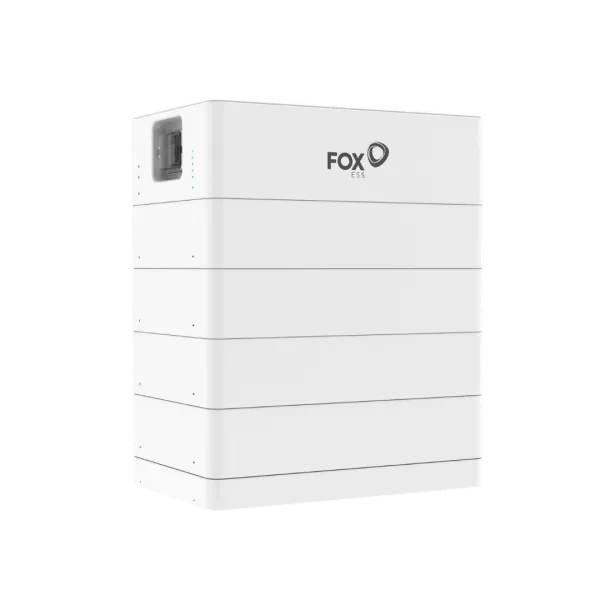
This is where FoxESS’s first tangible advantage lies: the EP11 and EP12 battery modules come with a 10-year warranty and 95%+ system-level efficiency, while offering modular scalability—up to 92.16 kWh with the H3 PRO inverter in the case of the EP12.
FoxESS, CATL, and CNTE Batteries: Trends in High-Capacity Industrial Energy Storage
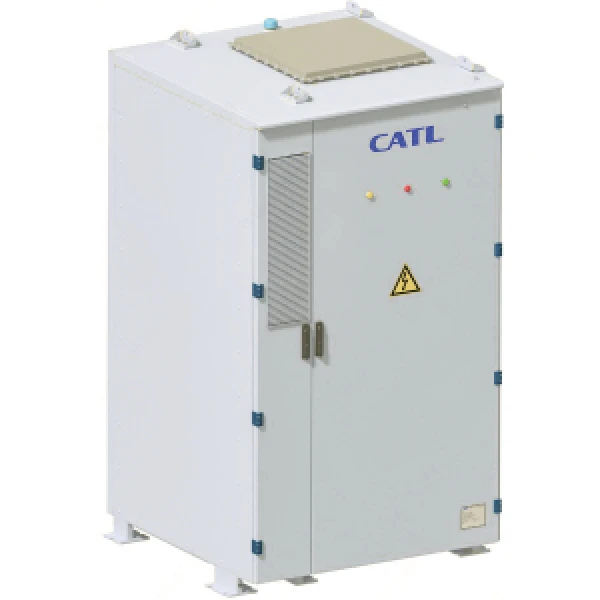
CATL (Contemporary Amperex Technology Co., Limited) is a key player in global cell manufacturing: in May 2025, they unveiled the TENER Stack system, the world’s first 9 MWh ultra-high-capacity energy storage unit. CATL’s strength lies in cell technology and vertical integration—however, CATL does not provide end-user systems on its own. CATL batteries typically reach end users through integrators, which means that in a system built on CATL cells, the integrator is responsible for the quality of the BMS, PCS, and EMS—the chain of responsibility becomes fragmented.
This is where FoxESS’s advantage comes in: it offers its own ecosystem, where the battery, inverter, smart hub, and Fox Cloud monitoring all come from a single manufacturer, with a single warranty package and service support. The 10-year warranty (after registration) is already standard in the EP series—this is not a given in the market; for many competitors, it is 5+5 years or a premium option. The IP65 protection rating and optional self-heating (EP11-H, EP12) are specifically tailored to the Central European climate.
CNTE and Dyness are Chinese BESS manufacturers with a growing presence in the European project market: CNTE typically appears in rack-level and containerized industrial systems, while Dyness’s strength lies in high-energy-density cell development. Both are OEM-style players and raise questions similar to those surrounding CATL’s battery products: who integrates the system, and who provides the full system-level warranty. FoxESS’s industrial (C&I) product line fills precisely the gap for those seeking an “all-in-one” approach, ranging from retail to medium-sized industrial projects.
DEYE, Dyness, Huawei, and SolaX: Different System Philosophies from an Installer’s Perspective
DEYE follows an inverter-centric philosophy: its storage systems are built around three-phase hybrid inverters with flexible battery compatibility. From an installer’s perspective, this means battery modules from multiple manufacturers can be integrated—but the responsibility for system integration falls more heavily on the installer.
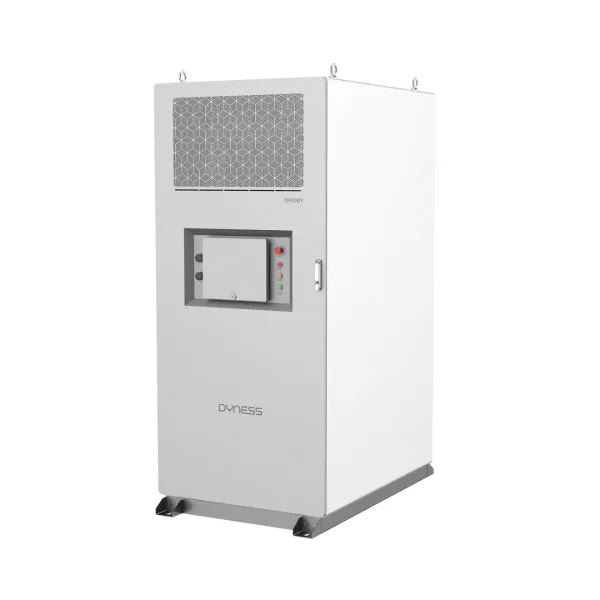
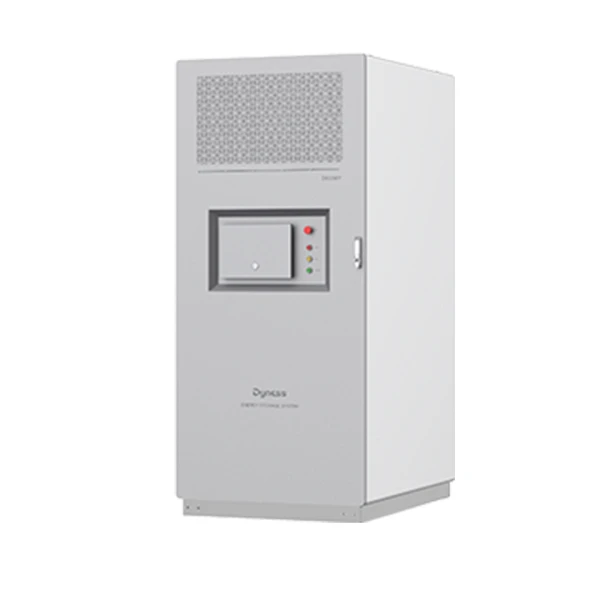
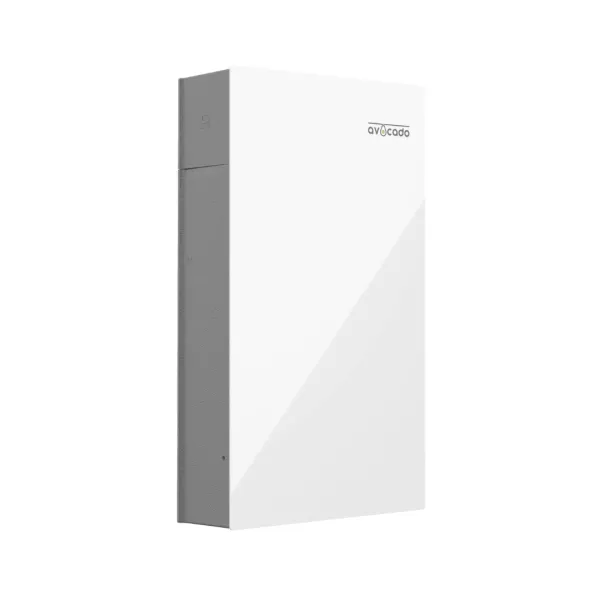
Dyness offers modular, highly scalable storage cabinets: the design is simple, installation is quick, and the Dyness battery portfolio covers both low- and high-voltage applications. Dyness excels in small- and medium-sized commercial projects where rapid installation and predictable system logic are key. When designing Dyness systems, it is worth reviewing the detailed descriptions of Dyness models .
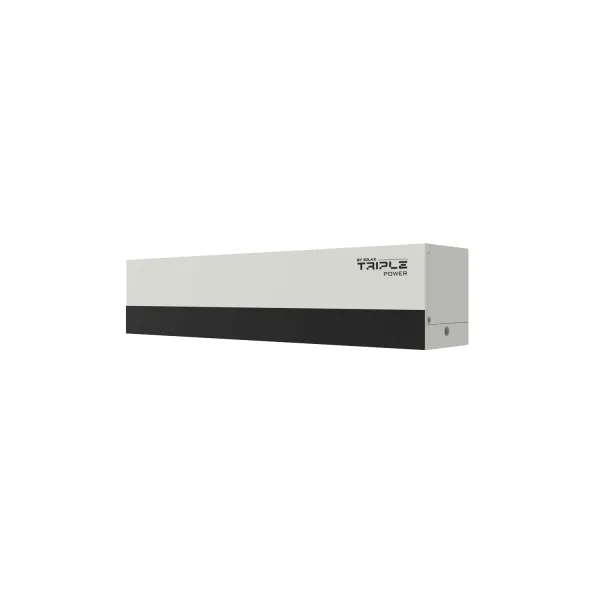
Huawei represents full integration within the FusionSolar ecosystem—an advantage for large-scale projects, but it also means a more limited choice and a higher entry price. It is strong in SolaX inverters and stable for medium-sized installations.
Where does FoxESS fit in? It offers Huawei’s integration with more open inverter-battery compatibility and a lower entry price; it provides Dyness’s flexibility with a single warranty chain; and it delivers DEYE’s inverter portfolio with its own BMS and Fox Cloud monitoring. From retail to medium-sized industrial applications, FoxESS currently offers one of the most balanced packages in terms of integration, warranty, and price.
Which energy storage system is best for which project?
The question “which is the best energy storage system” is poorly framed—the correct question is which system is the best fit for which project. Different factors are decisive for a 30 kWh restaurant than for a 500 kWh logistics center, and yet others for a 2 MWh industrial peak shaving installation.
The load profile is the first filter. In a facility with stable, steady consumption (e.g., an office combined with a server room), the return on investment is slower. In contrast, in projects with fluctuating loads and concentrated peak consumption (e.g., small metalworking shops, cold storage logistics, EV charging stations), peak shaving can yield a payback period of as little as 3–6 years. FoxESS, DEYE, and Dyness have strong entry-level to mid-range product lines in this segment.
The ROI model is the second key factor. If the project’s main driver is price arbitrage or participation in demand response, then software capabilities are decisive—EMS, smart meter integration, and cloud-based controllability. The FoxESS Fox Cloud platform offers five operating modes (Self Use, Feedin, Backup, Power Station, Peak Shaving) and can be integrated into external EMS systems via the Modbus protocol. For larger industrial (1 MWh+) projects, CATL’s dedicated integrator solutions may come to the fore.
FoxESS battery monitoring and smart meter
Monitoring and smart meter integration are now standard features—especially in B2B projects, where energy management and ROI measurement are directly linked. FoxESS’s monitoring system, Fox Cloud, provides real-time data on generation, consumption, and battery levels, accessible via a web browser or mobile app. It offers mode switching, charge/discharge scheduling, battery status monitoring, and trend analysis—meaning it is not just a passive monitoring tool but an active intervention interface.
The FoxESS smart meter integration is a key element of the peak shaving mode: the smart meter measures consumption at the grid connection point, and the system decides when the battery should discharge energy based on the "Import Limit" threshold. The "Threshold SOC" setting allows you to control when the battery prioritizes the peak shaving function. FoxESS monitoring is therefore not just a graphing feature, but a concrete tool for return on investment.
An additional benefit of the FoxESS smart meter configuration for installers is that the system can be integrated into external EMS systems, Home Assistant environments, or virtual power plant (VPP) platforms via the Modbus RS485 protocol. The FoxESS C&I product line (P3 Plus, G-MAX) also offers Wi-Fi, 4G, and 5G connectivity, which is critical for larger sites and remote industrial locations.
Where is energy storage not suitable?
Energy storage is not a one-size-fits-all solution—it’s worth stating this honestly. The first typical scenario: a stable, nearly constant load profile with no significant peak or off-peak periods and no nighttime energy consumption. If the consumption curve is flat and the electricity pricing structure is simple, the ROI is significantly lower—in such cases, improving efficiency yields a faster return on investment.
The second case: a solar installation without a PV system or one that is undersized. An energy storage system on its own is only suitable for price arbitrage, which, under Hungarian market conditions, rarely yields a payback period of less than 7 years. If the PV system is small, a significant portion of the battery remains unused, which accelerates degradation to an unreasonable degree.
The third scenario: poor sizing and a weak EMS strategy. Oversizing leads to underutilization, while undersizing prevents the installer from benefiting from multi-level value creation. Ignoring degradation and skipping long-term maintenance can push back the payback period by 3–5 years. Energy storage makes sense where the load profile, tariff structure, and PV background together form an economically viable system.
SOLARKIT Recommendations: FoxESS Energy Storage with a Corporate Energy Storage Approach
Based on the experience of SOLARKIT installers and resellers, in 80 percent of corporate energy storage projects, the deciding factor is not the “cheapest” or the “biggest name,” but system-level predictability: a single manufacturer, a single warranty chain, a single service support network, and a single software environment. That is why FoxESS holds a prominent place in our portfolio—the manufacturer has a sales, engineering, and product support team of over 180 people across Europe (Hungary, the Netherlands, Germany, and Poland). The European warehouse in the Netherlands provides a significant supply advantage: if the requested unit is in stock, it can arrive within a few days, compared to the 2–3-month delivery time for direct shipments from Asia.
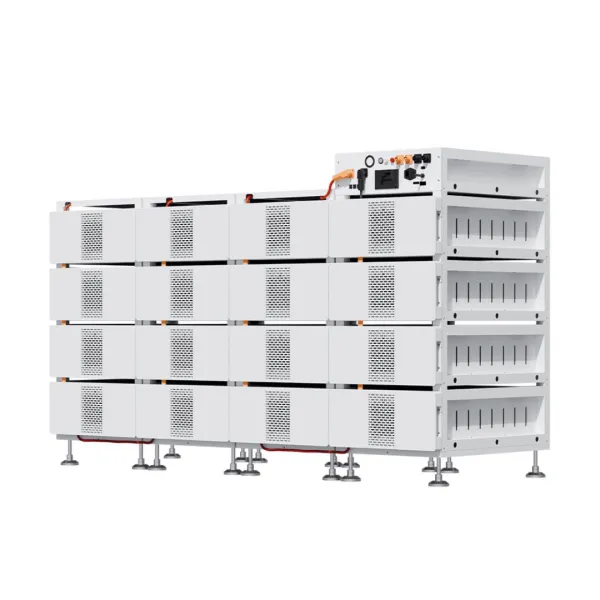
What does this mean in practice? In the entry-level retail segment (10–50 kWh), the EP series offers a reliable solution. The FoxESS EP12 battery, with a capacity of 11.52 kWh, a cycle life of 6,000+, IP65 protection, and optional self-heating, takes it to the next level. In the light commercial and commercial segments (50 kWh – 1 MWh), the three-phase H3 PRO series and the C&I product line represent the next step. For industrial projects exceeding 1 MWh, the FoxESS G-MAX and P3 Plus containerized systems are capable of simultaneously supporting peak shaving, load shedding, PV-storage integration, and frequency regulation modes—featuring liquid cooling, a four-level safety design, and an operating range between -25°C and +55°C.
The SOLARKIT FoxESS energy storage portfolio covers the full spectrum, and we also treat the commercial and industrial energy storage systems category as a separate segment. If predictable return on investment, a coherent warranty chain, and long-term service support are key to your project, FoxESS energy storage is currently one of the best value-for-money choices on the Central European market at the enterprise level.

Frequently Asked Questions
1. How long does it take for a commercial FoxESS energy storage system to pay for itself?
The payback period depends on the load profile, tariff structure, and PV background—the general B2B range is 3–6 years. Under domestic conditions, the key is HUPX-indexed pricing and avoiding exceeding the contractual power limit. For facilities with a stable, flat load profile, the payback period can exceed 10 years—in such cases, it is better to invest in energy efficiency first.
2. What size FoxESS battery should be chosen for a 100 kWp solar system?
The storage capacity must be tailored to both the daily PV surplus window and consumption peaks. For a 100 kWp PV system, the typical range is 100–200 kWh of storage capacity. Grant requirements (e.g., the Ányos Jedlik Energy Program) generally stipulate a minimum storage capacity of 20% of the PV capacity. It is always advisable to determine the final size using a simulation program.
3. What is the difference between the FoxESS EP11 and FoxESS EP12 batteries?
The EP11 is the entry-level 10.36 kWh high-voltage (384 V) module with LFP cells and a 10-year warranty. The FoxESS EP12 battery is the next generation: 11.52 kWh capacity, 6,000+ cycles, built-in self-heating, and expandable up to 92.16 kWh with an H3 PRO inverter. They can also be used together in a single system with firmware version V1.010 or later.
4. What monitoring options are available for FoxESS systems?
The Fox Cloud web and mobile app provide real-time generation, consumption, and battery data, offering five operating modes (Self Use, Feed-in, Backup, Power Station, Peak Shaving), trend analysis, and smart alerts. The C&I product line supports Wi-Fi, 4G, and 5G connectivity. The system can be integrated into external EMS or VPP platforms via the Modbus RS485 protocol.
5. What are the advantages of FoxESS over DEYE, Dyness, or Huawei systems?
Three main arguments: a unified warranty chain (battery (from "REPT"—a "sister company"), inverter, and monitoring all from a single manufacturer), European inventory, and a competitive entry price compared to integrated solutions. DEYE is more flexible but has a more fragmented chain of responsibility; Dyness is modular and offers a wide range of batteries, but the manufacturer does not have its own inverter portfolio; Huawei is more closed-off and more expensive. FoxESS offers one of the most balanced packages, ranging from small retail to medium-sized industrial applications.