Dynamic Electricity Rates and the Potential of Battery Energy Storage
According to data from the European energy regulators (ACER), in 2025 only 7 percent of the European households surveyed had dynamic-pricing electricity contracts, even though a much higher percentage of them have smart meters. As an installer, this presents an opportunity: the value of the storage system is no longer determined solely by self-consumption but also by intraday price differences if the customer opts for a dynamic electricity tariff. In this article, we’ll first clarify what a dynamic electricity tariff is and how it differs from fixed and time-of-use pricing.
We’ll show why a dynamic tariff is appealing when paired with a battery and what to watch out for during grid charging. We’ll walk through how intraday price differences develop and how you can estimate the customer’s savings. We’ll also cover what the inverter and storage system need to support scheduled charging. We’ll also examine what data the energy management system uses to make decisions and where this opens up additional sales opportunities.
We’ll clarify what “load shifting” means for residential and business customers. We’ll discuss how to handle hours with negative electricity rates during commissioning. Finally, we’ll summarize the components needed to take advantage of dynamic rates, from smart meters to charging scheduling.
What is a dynamic electricity rate, and how does it work?
If your customer asks how dynamic electricity rates work, the short answer is: the energy charge is not fixed but follows prices on the wholesale spot market. According to the EU definition, such a contract reflects price movements in the day-ahead and intraday markets, at least at the frequency of market settlement. Since October 1, 2025, 15-minute products have also been traded on the European day-ahead market, so the reference price can change as often as every quarter-hour. It is advisable for metering and control systems to follow this frequency as well.
What is the difference between fixed-price and dynamic pricing?
With a fixed-price contract, the customer knows in advance how much they will pay per kilowatt-hour, regardless of when they consume it. This is predictable, but the customer does not benefit from the cheaper hours of the market. With dynamic pricing, the price per kilowatt-hour follows market price fluctuations: customers pay less during cheap hours and more during expensive hours. According to the Council of European Energy Regulators (CEER), the markup on contracts tied to exchange prices may also be lower.
It’s important to clarify in the offer that not the entire bill will be dynamic. An electricity bill typically consists of the energy charge, the provider’s markup, network fees, and taxes and surcharges. Of these, typically only the energy charge fluctuates with the exchange; network fees and taxes are determined by law or by the regulator. If you calculate savings based on the wholesale price difference, you’re overpromising.
A dynamic contract requires a smart meter that records consumption data at a resolution of at least the reference price. With estimated, profile-based billing, it doesn’t matter when the customer consumes energy, so the whole point would be lost. Under EU regulations, the provider must inform the customer about the options, costs, and risks, and the customer can only switch with their consent.
Are dynamic and Time-of-Use (ToU) rates the same thing?
No, although customers often confuse them. The Time-of-Use (ToU) rate operates with predetermined time periods: for example, electricity is cheaper at night and more expensive in the early evening, and the time periods and prices are known well in advance. The classic two-rate system with nighttime electricity metering is also a simple form of this. ToU thus follows a calendar, while the dynamic rate follows the market.
With dynamic pricing, prices are generally determined by the results of the day-ahead market, so the next day’s prices are typically known one day in advance but vary from day to day. On a sunny weekend, the midday hours may be the cheapest, while on a cloudy, windless winter day, the picture is quite different. If a customer uses a lot of electricity during expensive hours, the dynamic rate may end up costing them more than the fixed rate.
There is also a hybrid option: with a dynamic ToU rate, the time periods and prices can change daily. The key point for system design is that a fixed schedule in the inverter is sufficient for ToU, whereas taking advantage of a dynamic electricity rate requires a control system that replans daily based on the prices.
Why is a dynamic rate with a battery interesting?
With dynamic pricing, customers only save money if they can shift their consumption from expensive hours to cheaper ones. This might be feasible for a washing machine or charging a car, but not for cooking dinner or running a production line. This is where the dynamic tariff with a battery comes into play: the storage system doesn’t change your habits—it changes when you purchase energy. For you, this is a new value proposition: in addition to self-consumption, the storage system also generates savings from the price difference.
Storing Energy, Charging the Battery with Cheap Electricity
The battery can be charged with cheap electricity from two sources. If the system includes solar panels, the storage unit stores the surplus energy generated at midday, thereby replacing the need for later, more expensive purchases. If the solar panels do not generate enough power—for example, in the winter—the storage system can be charged from the grid during the cheapest times of the day and then use that stored energy to cover consumption during peak-rate hours.
Don’t overestimate the benefits: every charge and discharge cycle results in some loss; modern lithium-ion systems typically have a round-trip efficiency of 85–95 percent. Cycle cycles also reduce the battery’s lifespan. Grid charging is therefore only worthwhile if the price difference between off-peak and peak hours covers both the energy loss and the cost of wear and tear. A good control system takes this into account before every charge.
Before making an offer, also check whether the customer’s contract and local regulations allow charging from the grid, as this is not permitted everywhere. You can find the storage options in the energy storage category.
When is the best time to charge the battery?
In short: when electricity is cheapest, and the stored energy will be needed later during more expensive hours. The optimal time to charge the battery is determined by the next day’s market price curve and the customer’s load profile. Electricity is typically cheaper at night and during the day, and more expensive in the early evening when demand rises but solar panels are no longer generating power.
For residential customers, the typical charging window is the surplus solar power generated at noon, nighttime periods of low demand in winter, and any hours when prices are negative or near zero. Discharge occurs during the morning and evening peak hours. For business customers, most consumption occurs during business hours, so the storage system is often charged at night and discharges during the more expensive daytime hours or at peak demand times. At industrial sites, the manufacturing process can rarely be rescheduled; here, the storage system provides the flexibility.
In addition to price, weather conditions must also be considered. If plenty of sunshine is forecast for the next day, it’s unnecessary to fully charge the storage system from the grid at night, because there won’t be room for self-generated power during the day. It’s difficult to make this assessment manually on a day-to-day basis, so it’s advisable to configure a system designed for dynamic rates with automatic controls that also utilize forecasts.
Energy Price Optimization for Battery Energy Storage
The essence of energy price optimization for battery energy storage is that the storage system should charge and discharge not according to a fixed schedule, but based on expected prices and load. To do this, you need to assess two things before submitting a proposal: how the price curve develops in the customer’s market, and how much energy the customer can actually shift out of peak hours. The goal is not to maximize the number of cycles, but to ensure profitable operation per cycle.
How can electricity price differences arise throughout the day, and how can you optimize your operations?
The price difference stems from the temporal mismatch between generation and demand. During sunny hours, solar power generation drives down midday prices, increasingly pushing them into negative territory across Europe. In the late afternoon, solar power drops off, while demand rises; this must be compensated for by flexible, typically gas-fired power plants, which is why the evening peak is expensive. As a result, the price curve resembles a duck—a phenomenon the industry calls the “duck curve.”
The difference varies by season and market. In summer, the midday trough is deep; in winter, there is less solar power, so the trough is shallower, but the evening peak remains. To estimate savings, therefore, look not at a single day but at the day-ahead price curve for an entire year within the customer’s bidding zone. ACER also warns that in markets where retail prices are shaped by regulation or market intervention, simply switching tariffs is less advantageous. If a customer is currently purchasing electricity at a discounted, regulated rate, the benefit comes primarily from shifting consumption.
Optimization consists of three steps. The control system reads the next day’s prices, compares them with the expected load and solar generation, and then designates the charging and discharging windows. It schedules grid charging only if the net price difference remains positive even after accounting for losses and wear and tear. In terms of sizing, this means that the storage capacity should be tailored to the consumption to be offset during peak hours: an oversized storage system will remain underutilized, which reduces the return on investment. Energy price optimization and electricity price optimization are therefore based on the same principles: an accurate price curve and a realistic load profile.
How do dynamic electricity rates and the battery work together?
A dynamic electricity tariff is, in and of itself, merely a price signal; the savings are achieved through the control of the inverter and the storage system. In practice, there are two solutions: the hybrid inverter’s built-in schedule, which can be overridden manually or via an external controller, or a price-controlled algorithm that automatically generates a charging schedule based on the next day’s prices. Before making a purchase, always check which option is supported by the specific inverter. Price-controlled solutions typically take into account both solar generation and consumption forecasts.
Scheduled Battery Charging Control
Scheduled battery charging control is based on the time program of hybrid inverters. Here, you can specify multiple non-overlapping time slots and configure, for each slot, whether the battery should charge from or discharge to the grid, to what state of charge (SoC), and at what power level. This is sufficient for fixed-time-of-use rates, but for dynamic pricing, the settings would need to be updated daily; therefore, an external controller or a built-in price-controlled function is required here.
When commissioning the system, carefully set four parameters. The minimum SoC protects the reserve, and the price-controlled algorithm must not allow the storage unit to fall below this level. The upper limit for grid charging (target SoC) leaves room for the next day’s solar generation. The charging power limit prevents grid charging from exceeding the connection capacity. Finally, enter the storage system’s exact capacity and maximum charge/discharge power, as the algorithm calculates based on these values.
Be aware of two practical pitfalls. If high-power consumers, such as an EV charger or a heat pump, are located upstream of the storage system’s metering point, the algorithm cannot detect them, so an appropriate meter is required. The next day’s prices are published in the afternoon, so the control system can only plan for the following day after that. Also tell the customer that systems based on forecasts are still in a learning phase during the first few weeks.
What is the role of the EMS in determining dynamic electricity rates?
The EMS does not influence how the dynamic electricity tariff is set; that is determined by the market. However, it does influence how much the customer benefits from it. The energy management system is the brain of the installation: it collects prices, forecasts, and measured data, and then uses this information to control the storage system and large consumers. According to a one-year study based on real-world data, under dynamic pricing, the economic outcome is determined primarily by adaptive storage control, not merely by the size of the solar array.
H3: What types of data can an energy management system use?
A good energy management system operates using four data sets. The first is the next-day market price, obtained from the utility or the electricity exchange’s data source. The second is a weather-based solar panel production forecast. The third is a consumption forecast, which it learns from previously measured data. The fourth is the system’s own status: the storage system’s charge level, capacity, and power limits, as well as grid connection limits.
Savings depend on the price and the quality of the forecasts. If an EMS cannot see the expected solar generation under a dynamic electricity tariff, it may fill the storage system with grid power at night, leaving no room for self-generation the next day. If consumption metering does not cover the entire load, the forecast will also be inaccurate. For business customers, the accuracy of load forecasting is particularly important because the storage system often has to perform multiple tasks simultaneously.
When requesting a quote, ask where the EMS gets its prices from: the manufacturer’s cloud, the service provider’s programming interface (API), or local integration. This determines which service providers’ rates and which markets the system supports.
Dynamic pricing for energy storage isn’t simply about alternating between cheap and expensive hours
Energy storage with dynamic pricing delivers the greatest benefit when the EMS controls not only the storage system but also large, flexible consumers. A heat pump can preheat the building or domestic hot water during off-peak hours, an EV charger can schedule charging for the most favorable times, and the storage system covers the remaining peak hours. According to Fraunhofer researchers, households with both an electric vehicle and a heat pump achieve the greatest savings under dynamic pricing.
For business customers, the storage system can serve multiple purposes simultaneously: taking advantage of price differentials, peak shaving, and providing backup power. Where the bill includes a capacity charge, peak shaving is a standalone source of savings in addition to electricity price optimization. The EMS’s job is to coordinate these objectives and avoid draining the storage system for price arbitrage if a power peak is expected later.
For you, this represents an additional sales opportunity: with the EMS, you can also recommend heat pump integration, EV chargers, and consumption metering alongside the storage system, while additional controllable devices can improve the system’s cost-effectiveness.
What Is Load Shifting with a Battery?
“Load shifting” literally means shifting the load: you move electricity consumption from expensive periods to cheaper ones. Without a battery, this only works if consumption itself shifts over time—for example, the washing machine runs at night, or the car charges at noon. Load shifting with a battery can do more than that: consumption remains where it’s convenient for the customer; only the timing of grid consumption changes. The battery charges during off-peak hours and uses that stored energy to cover the load during peak hours.
It’s worth distinguishing this from peak shaving, as customers often confuse the two. Load shifting aims to shift energy consumption over time and generates savings from the price difference under dynamic pricing. Peak shaving reduces peak power demand and generates savings where the bill includes a capacity charge. For residential customers, the former is typically the primary goal. At commercial and industrial sites, both factors often matter because manufacturing processes are difficult to shift, so the storage system provides the necessary flexibility.
When sizing a load-shifting battery system, two questions are key. How much energy needs to be shifted out of peak hours? This determines the required usable capacity. How quickly does this energy need to be discharged? This determines the power requirements of the inverter and the storage system. It’s worth analyzing the load profile in at least quarter-hour intervals so that even short peaks are visible.
What happens when electricity prices turn negative?
Negative electricity prices occur on the wholesale market when supply—typically solar generation in the afternoon—exceeds demand, and some producers would rather pay than shut down. There are an increasing number of such hours across Europe, especially on sunny weekends and holidays. With dynamic electricity rates, this also appears on the customer’s bill, but not always in the way you might initially expect. Below, we’ll look at what settings you should configure in the system during these times.
Negative Electricity Price for the Battery
From the perspective of a battery, a negative electricity price seems like a perfect situation at first glance: the storage system draws electricity that may even result in a credit on the energy charge. However, the end-user price rarely drops below zero, because grid fees and taxes must still be paid during these times. Thus, negative-rate hours typically do not generate profit for the customer, but rather provide very inexpensive charging.
The greater risk lies in feeding energy back into the grid. If the customer’s feed-in tariff is also tied to the market price, they must pay for the energy fed into the grid during negative-price hours, and the feed-in price often turns negative sooner than the purchase price. In such cases, the goal is zero net metering: solar production should cover your own consumption and charge the storage system, while the inverter regulates any surplus. For many manufacturers, this is already an automatic feature that limits or stops production when prices turn negative.
Therefore, check three things during commissioning. Can the inverter or the EMS limit feed-in based on the price signal? Is the storage system configured to have free capacity for hours when prices are negative, so it doesn’t fill up in the morning? And what do the customer’s contract and the grid permit stipulate regarding feed-in restrictions? A poorly configured system will run at maximum feed-in capacity with a full storage unit during the cheapest hours.
SOLARKIT Recommendations: What Do You Need to Take Advantage of Dynamic Rates?
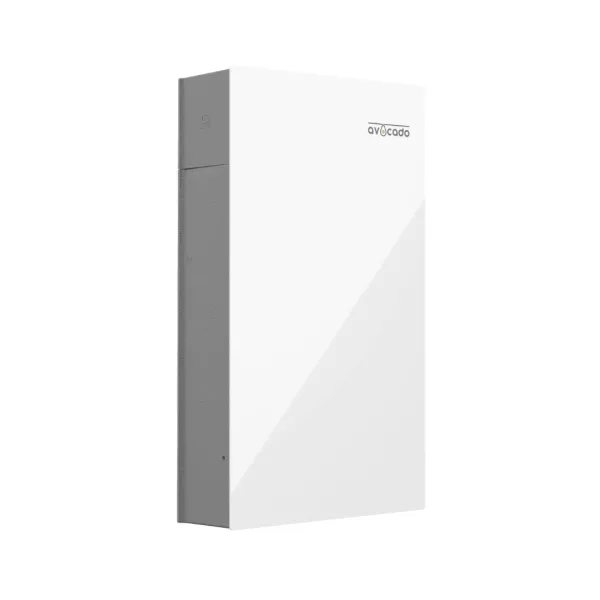
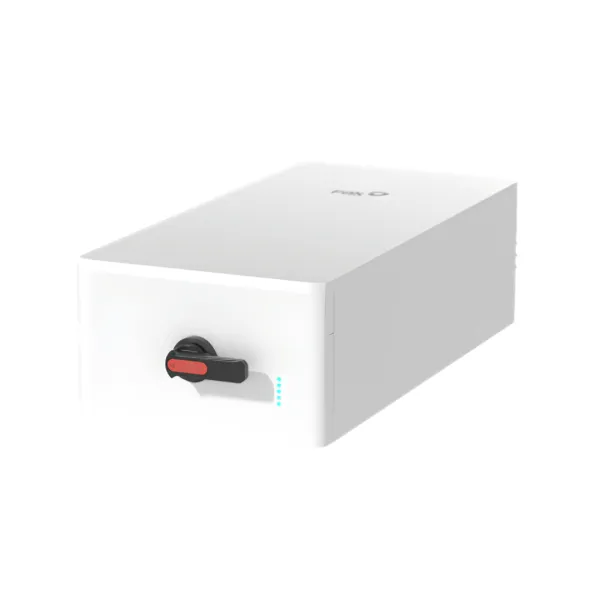
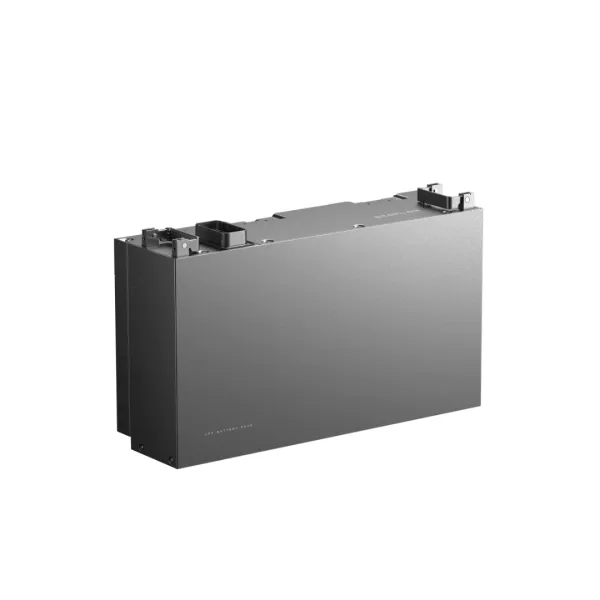
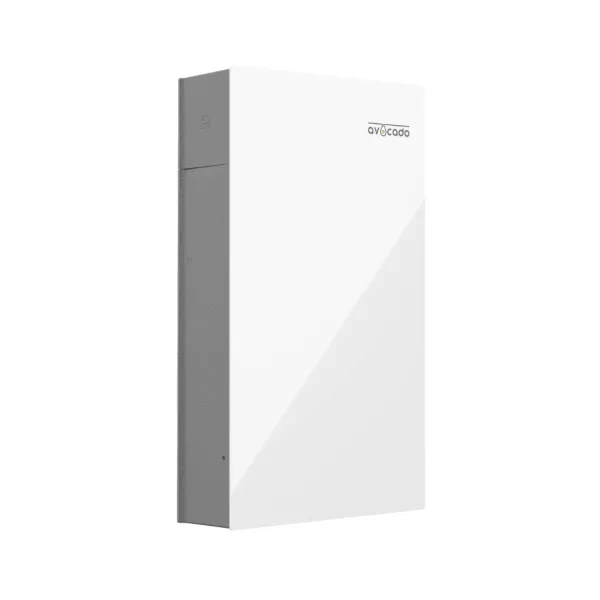
To take advantage of dynamic rates, you need not just a single product, but a coordinated system. The minimum requirements are: a smart meter for billing, a separate consumption meter for the EMS, a hybrid inverter capable of grid charging and scheduling, a properly sized storage system, and a control system that also manages the next day’s prices. It’s a good idea to go through this list before requesting a quote, because the absence of any one of these components will reduce your savings. SOLARKIT’s product lineup includes compatible inverter and storage families designed for this purpose.
Smart Meters and Dynamic Tariffs
It’s important to distinguish between two types of meters. One is the grid billing meter: a smart meter is mandatory for dynamic pricing, because the utility can only bill at quarter-hourly or hourly rates based on data measured at the same resolution as the reference price. This is typically provided by the grid or meter operator, not the installer. EU regulations also grant eligibility for a smart meter under certain conditions; however, deployment varies greatly by member state, so be sure to ask before making an offer whether the customer already has one.
The other is the system’s own consumption meter, typically a current transformer (CT) meter at the connection point. This allows the inverter and the EMS to monitor real-time import and export flows, which is necessary for feed-in restrictions and accurate consumption forecasting. With dynamic pricing, the smart meter is responsible for billing, while the system’s own meter handles control functions. The two are not interchangeable, and you should always select the meter from the inverter manufacturer’s compatibility list.
Battery Charging Timing
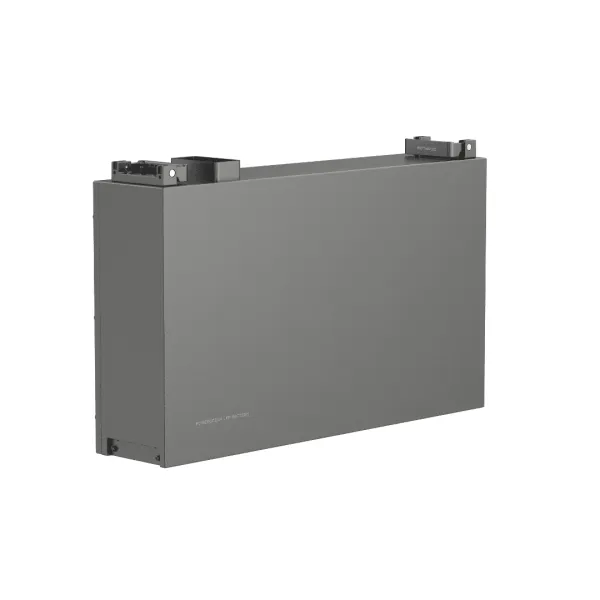
Battery charging scheduling is determined during commissioning, and this is where you can see how well the hardware aligns with the tariff. With the FoxESS system, you can set charging and discharging time windows as well as scheduled forced charging with a target SoC in the FoxCloud app, and the open API can also be connected to an external EMS. You can find the details in our article on independent tests of FoxESS energy storage systems. EcoFlow’s proprietary energy management system supports pricing from multiple dynamic tariff platforms, and EcoFlow energy storage systems can be expanded with 5 kWh modules.
At the time of handover, clarify four things with the customer: Which tariff and price source does the control system use? What is the minimum reserve level below which the storage unit will not drop? Is grid charging allowed, and what happens when feeding power into the grid during negative prices? Finally, review the schedule and the bill together during the first few weeks: the forecast-based control system is still learning at this stage, and this is when it becomes clear if any parameters need to be adjusted.
Frequently Asked Questions
How does the dynamic electricity rate work, and how do I explain it to the customer?
The energy charge follows the next-day spot market price, broken down by quarter-hour or hour, while grid fees and taxes typically remain unchanged. It’s best to explain to the customer that they’ll pay less during off-peak hours and more during peak hours, and that the savings depend on how much of their consumption they can shift to off-peak periods. This requires a smart meter, and the customer’s consent is needed to switch to this plan.
Is it worth charging the storage unit from the grid under a dynamic rate plan?
Only if the price difference between off-peak and peak hours covers the round-trip efficiency loss—which is typically 5–15 percent for modern lithium-ion systems—as well as the cost of battery wear and tear. During sunny periods, electricity generated by your own solar panels is generally a cheaper source, so it’s better to allow grid charging in the winter, during periods of low generation, and during hours with negative electricity prices. A good control system automatically takes this into account.
What should I look for when selecting an EMS for a customer?
An EMS works well with dynamic electricity rates if it receives next-day prices from a reliable source, uses solar generation and consumption forecasts, and knows the storage system’s capacity, power limits, and minimum SoC. Check whether it supports the customer’s market and utility, whether there is a compatible electricity meter, and whether it can also control a heat pump or EV charger.
What size storage system should I recommend for dynamic pricing?
Don’t base your calculation on annual consumption; instead, consider how much energy needs to be shifted out of peak hours and at what power level. The capacity should be tailored to this consumption to be shifted, because an oversized storage system will remain underutilized and reduce your return on investment. Analyze the load profile in at least quarter-hour intervals, and for business customers, also take peak power demands into account, because where there is a capacity charge, peak shaving is a standalone source of savings.
What settings should I use for hours with negative electricity prices?
Two things. Schedule the storage system so that it retains free capacity for negative-price hours and does not fill up by mid-morning. Also, limit the feed-in based on the price signal from the inverter or the EMS, because if the customer’s feed-in tariff is tied to the market price, they’ll have to pay for the energy fed into the grid during off-peak hours. Before doing so, check what your contract and grid permit allow.