How can you obtain a grant of 3 million or even 10 million?
In recent years, an increasing number of non-repayable government grants have become available in Hungary, aimed at encouraging residential and corporate development. In the current grant landscape, energy investments—such as solar panel systems and energy storage solutions—have come into particular focus.
There are currently several programs in place offering grants of up to 3 million, 5 million, and in certain cases even higher amounts. For residential customers, for example, the Home Energy Storage Program (OEP) or the Rural Home Renovation Grant offer opportunities, while for businesses, the Jedlik Ányos Program or the National Champions Program provide significant funding.
Grant opportunities often seem complex, so it is crucial to understand which program is intended for whom, under what conditions it is available, and how to maximize the amount of funding that can be secured.
In this article, we’ll outline which current grant opportunities are available, who is eligible for them, and how the application process works in practice.
What is non-repayable government funding, and who is it for?
Non-repayable grants are financial resources provided by the government or European Union programs to fund various development projects. The beneficiary does not have to repay the grant as long as the project meets the application criteria and fulfills the terms of the grant agreement.
The Hungarian grant system provides funding for a variety of purposes. These include, for example, improving energy efficiency, utilizing renewable energy, and enhancing the competitiveness of businesses. Most programs support some form of investment, such as technological development, equipment procurement, or energy efficiency upgrades.
Grants can often be combined with low-interest loan schemes or other financial incentives, making it possible to undertake even larger investments. However, it is important to note that each grant announcement specifies precise eligibility criteria that determine whether an applicant qualifies for the funding.
What types of grants offer funding of 3 million or even 10 million HUF?
In the current grant landscape, several programs are available that specifically support modern energy efficiency improvements and offer the opportunity to secure grants of up to several million forints. For homeowners, one of the most important options is the Home Energy Storage Program (OEP), which supports the installation of battery-based energy storage systems, often with minimal or even zero out-of-pocket costs. In addition, the Rural Home Renovation Grant can also provide significant assistance, as energy efficiency upgrades—such as solar panel systems or inverter replacements—are eligible for funding as part of comprehensive renovation projects.
On the corporate side, the Jedlik Ányos Program offers significant opportunities for larger-scale investments, particularly for solar panel systems and energy storage solutions. The National Champions Program, meanwhile, is aimed at companies that want to grow and need development, technological modernization, and energy efficiency investments to do so.
The amount of support depends in each case on the type of project and the eligible costs, but with proper planning, support of up to 3–10 million forints or even higher amounts can be obtained.
Eligibility criteria: who can apply successfully?
One of the most important elements of the application system is the precise definition of eligibility criteria. These may vary by program, but generally clearly specify who can apply, what types of investments are eligible for support, and what costs can be claimed.
Most applications require the development of appropriate technical content, the accurate preparation of documentation, and that the project be completed within a specified timeframe. Meeting these conditions is crucial, as it determines whether the application will be successful.
Business Support Programs
Support programs available to businesses primarily aim to increase efficiency and promote energy independence. The Ányos Jedlik Program, for example, specifically supports investments that enable companies to transition to their own energy production and storage, thereby reducing their operating costs and grid exposure.
In parallel, the National Champions Program offers opportunities for growing businesses where technological advancements and energy optimization go hand in hand. These programs particularly benefit companies that wish to stabilize their operations and increase their competitiveness in the long term.
Solar panel grants for individuals
Among residential grants, the Home Energy Storage Program (OEP) currently stands out, as it primarily focuses on energy storage. This form of support can be a significant help to households that wish to not only use the electricity they generate immediately but also store it for later use. Thanks to this, the energy generated during the day is not lost but can be made available, for example, in the evening hours, during periods of higher consumption, or under less favorable weather conditions. This not only promotes more conscious energy use but also plays an important role in reducing electricity bills and increasing energy independence in the long term.
The OEP may be particularly beneficial for those who already have a solar panel system but wish to utilize its output more efficiently, as well as for those considering the installation of a new system and planning to include energy storage from the outset. In the evaluation of the program, priority is given to applicants who were already excluded from the annual net settlement before submitting their application, or who will be excluded from it by December 31, 2030, as well as those who installed a solar panel system using their own funds without state support and are already subject to gross settlement. Following this, priority is also given to those with a registered permanent residence in a municipality with fewer than 5,000 inhabitants.
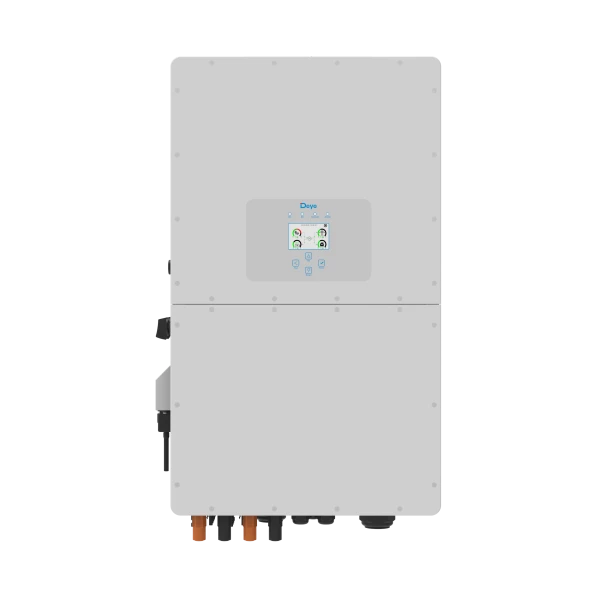
The Rural Home Renovation Grant can be used more broadly, as it allows not only for energy storage but also for comprehensive energy modernization. This is particularly advantageous for private individuals because, as part of a more complex investment, multiple types of improvements can be implemented simultaneously. For example, the installation of a solar panel system, the expansion of an existing system, an inverter replacement, or even other modernizations that improve energy efficiency can be included in the subsidized project. The program is specifically available to residents of towns with fewer than 5,000 inhabitants and was originally aimed at families with children; subsequently, eligibility was expanded to include retirees and those receiving specific pension benefits.
This form of support may be ideal for families and individuals who are not just considering a single minor improvement but wish to comprehensively modernize their homes. A well-planned energy efficiency investment can not only reduce utility costs but also increase the property’s value, while ensuring more comfortable and sustainable daily living. That is why solar panel grants for private individuals today represent not only a savings opportunity but also a long-term, strategic investment in the home’s energy supply.
What can these grants be used for?
The goal of these grants is to promote energy independence, reduce utility costs, and contribute to sustainable operations. Most projects involve energy-related improvements that pay for themselves over the long term.
These investments often involve the installation of solar panel systems, which are increasingly being supplemented with energy storage solutions. This ensures that the energy generated is not wasted but can be used later.
Overview of Solar Panel Grants
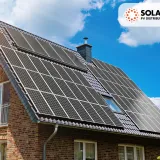
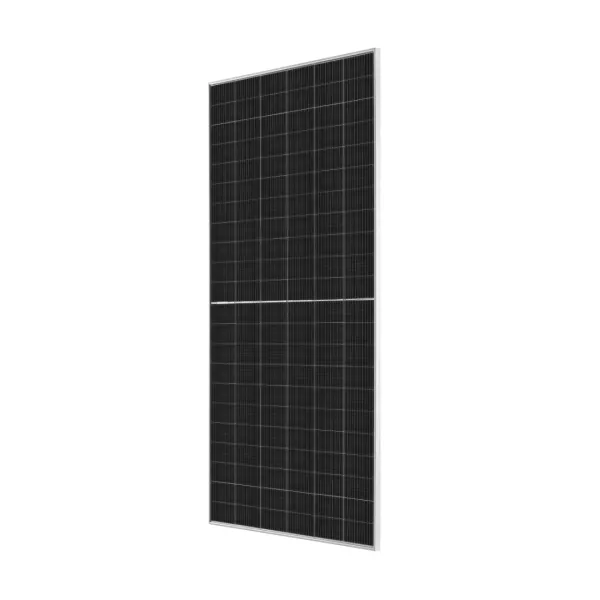
Solar panel grants provide households and businesses with the opportunity to generate their own energy, thereby reducing their dependence on the grid. Current programs, such as the Rural Home Renovation Grant or the Jedlik Ányos Program, provide significant support for these investments.
Choosing the right system is crucial, as the goal is not only to secure the grant but also to establish a system that functions well in the long term.
BESS - Energy Storage Grants
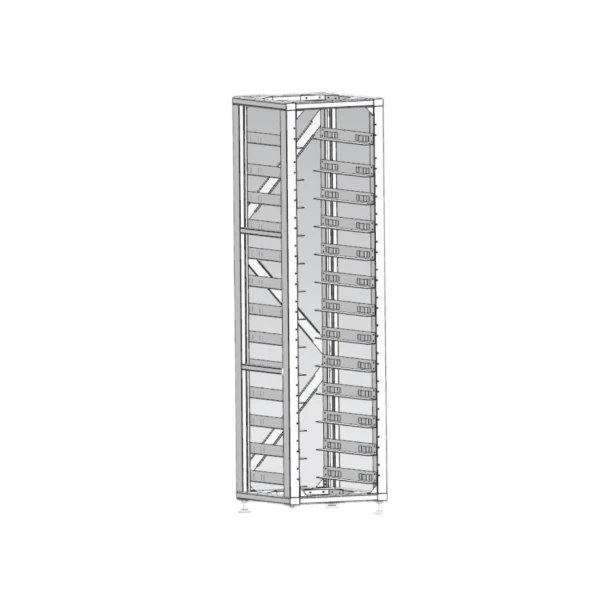
Energy storage is playing an increasingly crucial role in modern energy systems. The Home Energy Storage Program (OEP) specifically supports this area, enabling the energy generated to be used later.
On the corporate side, the Jedlik Ányos Program also supports energy storage solutions, particularly for larger systems where consumption optimization and peak load management are of paramount importance.
The application process is simple and straightforward
The first step in the application process is selecting the appropriate program, followed by technical and financial planning. Next, the required documentation must be compiled, and the application submitted.
Following the evaluation, if a positive decision is made, a contract is signed, and the project is implemented. Precise planning and adherence to the rules are important at every stage of the process.
How long does it take for the grant funds to be disbursed?
The time it takes to disburse funding varies by program. For residential applications, the process is generally faster, while corporate programs typically involve longer evaluation and disbursement times.
The entire process typically takes anywhere from a few months to up to a year, depending on the type of investment.
It’s worth using SOLARKIT’s assistance for your application!
Successful grant applications require not only administrative but also technical expertise. Selecting the right system, preparing the documentation, and accurately interpreting the requirements are all critical steps.
That is why many applicants choose to seek expert support, especially for energy efficiency projects. SOLARKIT provides comprehensive assistance in this regard, from planning all the way through to implementation.