What determines how much electricity a solar panel generates each day?
The question “How much energy does a solar panel generate?" crosses the mind of nearly everyone considering a solar panel investment. However, the answer isn’t a single number, but rather the interplay of several factors: the number of hours of sunshine, the system’s location, the quality of the technology, and how the system itself is sized. In this article, we’ll explain in detail what determines the performance of solar panels and what you should pay attention to during the planning phase.
We’ll examine which environmental and technical parameters influence daily production, and then discuss how much energy a solar panel actually generates in practice. We’ll highlight why it’s misleading to look at the performance of a single panel and how to think correctly when considering an entire system.
We’ll also discuss how many solar panels can be connected to an inverter, what a string means in the system, and how long a battery can store the generated energy. Finally, we’ll address the issue of balcony solar panels and explain why they aren’t an ideal solution in practice.
The most important factors influencing a solar panel’s daily output
There is no universal answer to the question “how much does a solar panel generate per day,” because yield depends on numerous factors. According to professional practice and industry analyses, the greatest impact comes from the amount of solar radiation, installation conditions, and the system’s technical parameters. In a well-designed solar panel system, optimizing these factors can significantly increase annual energy production.
It is important to understand that the output of solar panels is not constant: it changes continuously throughout the day, by season, and depending on weather conditions. Therefore, actual production is always expressed as an estimated range, not a fixed value.
Environmental and installation parameters of a solar panel system
One of the most important factors is the number of hours of sunshine, which averages 1,900–2,100 hours annually in Hungary. This fundamentally determines how many kWh of energy a system can produce.
Orientation and tilt angle also play a key role. The ideal placement is south-facing, with a tilt angle of approximately 30–40 degrees. Deviations from this can result in reduced performance, for example, when facing east or west.
Shading is particularly critical: even a small amount of shade can cause significant losses, especially for a specific string. Dust, dirt, or snow also reduce output, so maintenance is an important factor.
System Engineering Factors
The technical design of the system is at least as decisive. The quality of the panels, the system’s performance, and the technology used all influence the yield.
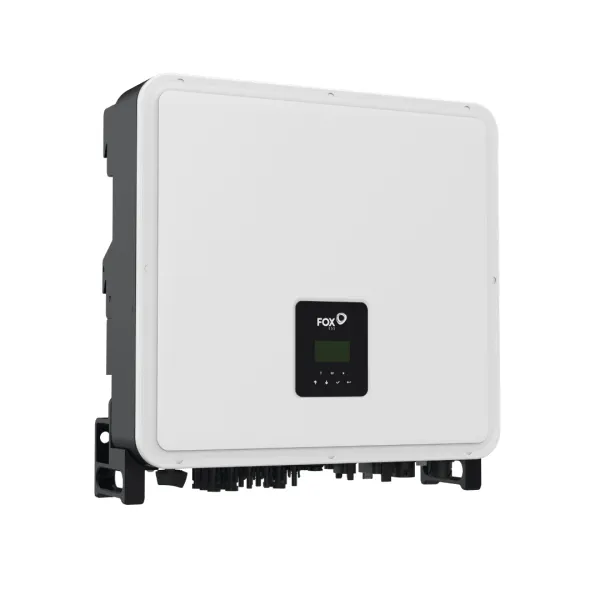
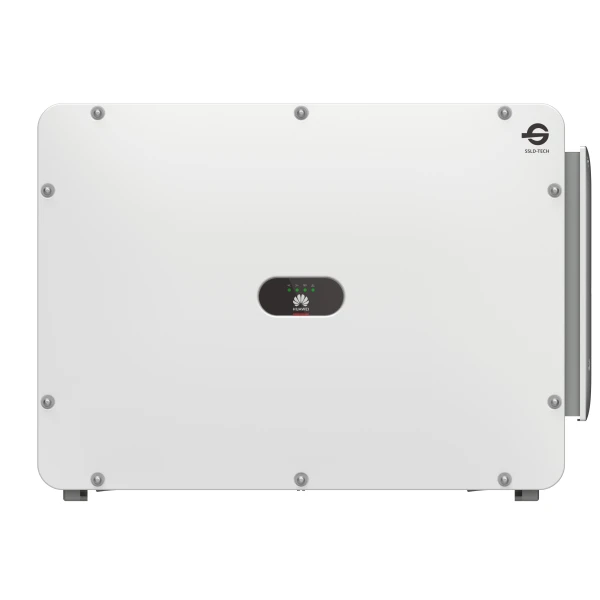
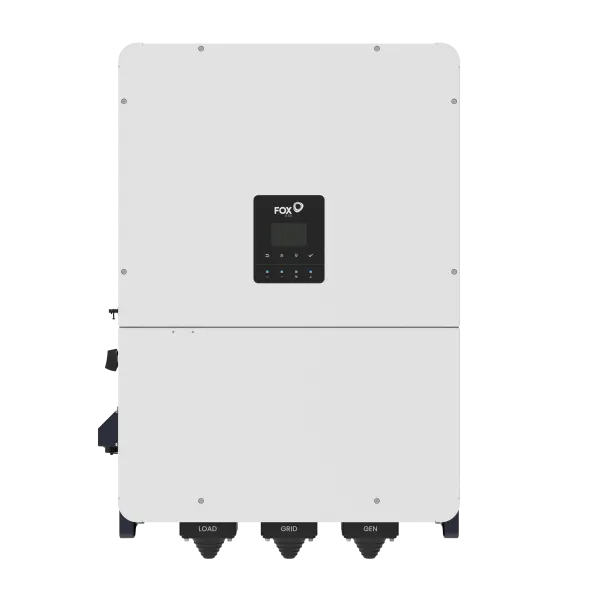
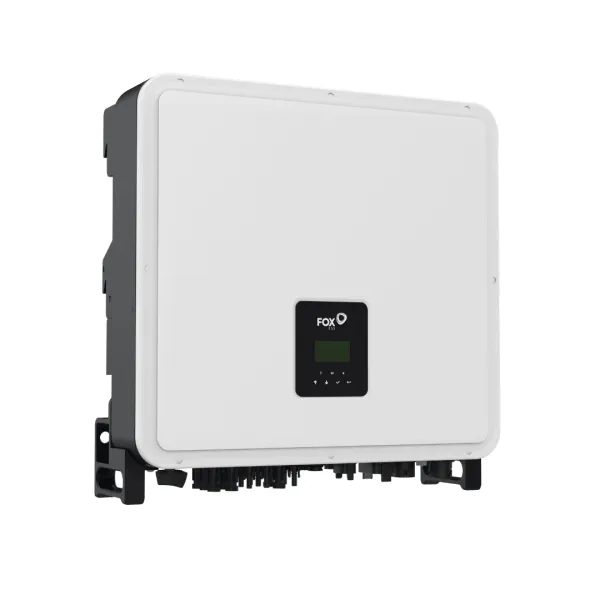
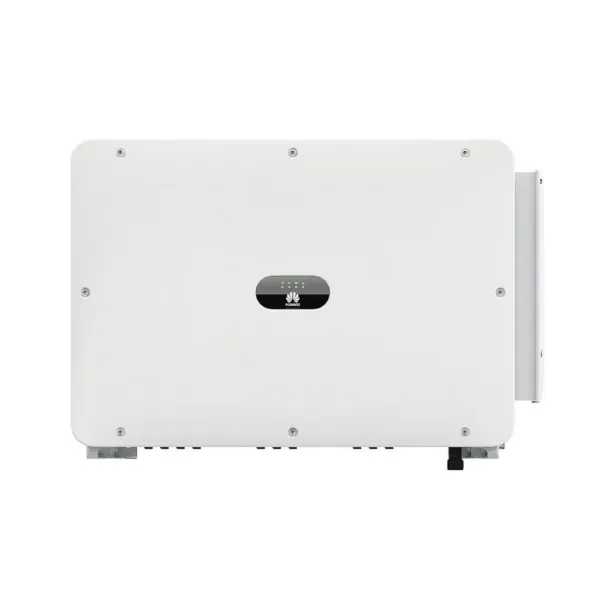
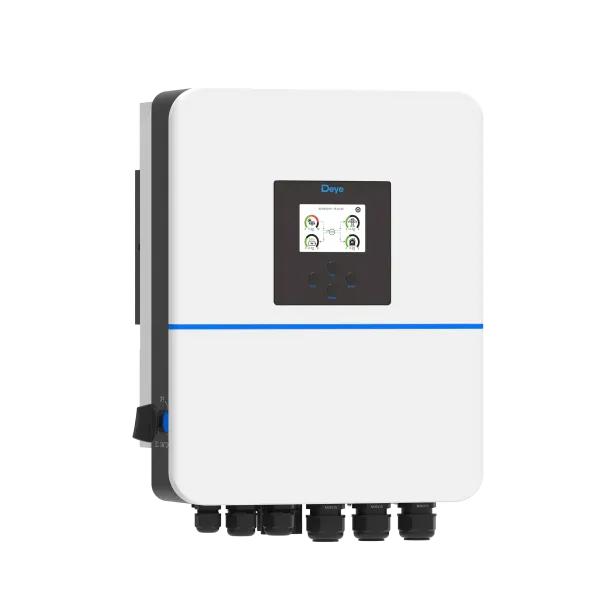
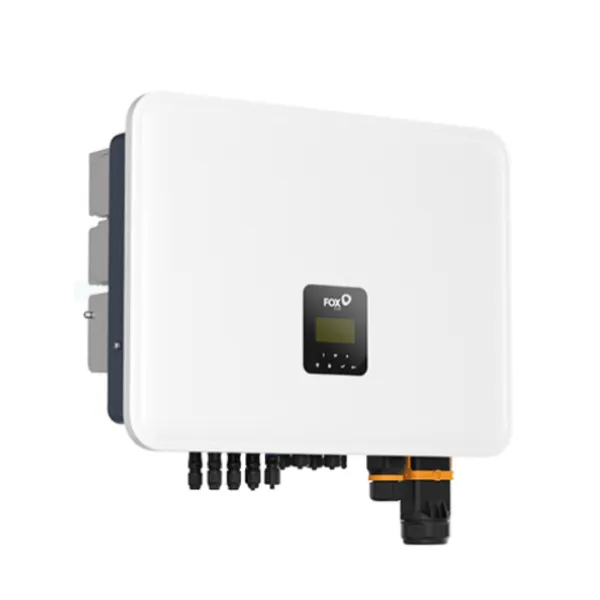
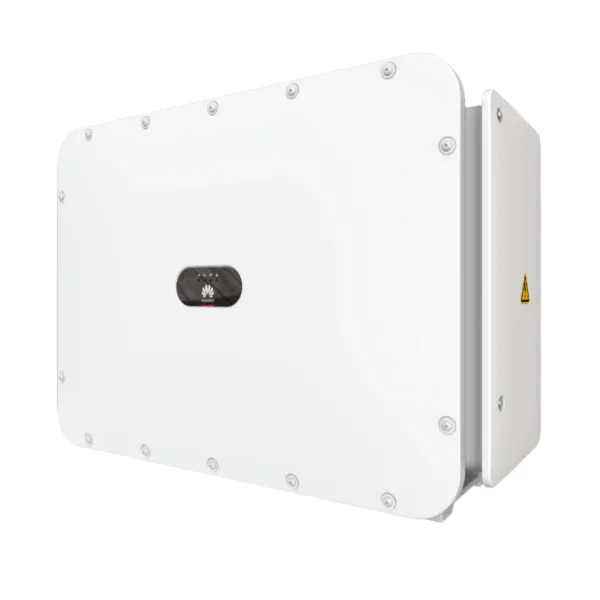
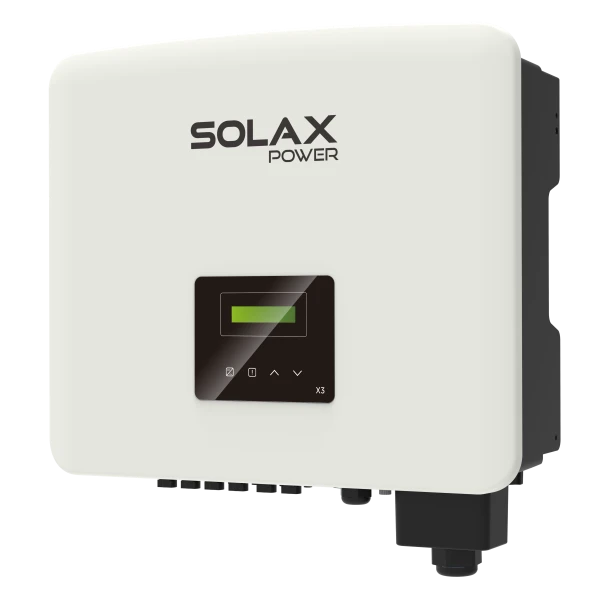
One key component is the inverter, which converts the generated direct current into usable electrical energy. The inverter’s efficiency and type directly affect the overall system performance.
Cabling, losses, and the number of strings configured also affect performance. A poorly sized system or an improperly configured string structure can result in significant losses, causing the system to fall short of its actual performance potential.
How much energy does a solar panel actually generate?
The question often arises: how much energy does a solar panel actually generate? There can be a significant difference between the data provided by manufacturers and actual performance, so it is important to clearly understand how to interpret the numbers.
Solar panel performance is primarily based on nominal data, but real-world conditions almost always differ from these. Actual yield is determined by a combination of the environment, system design, and usage patterns.
Nominal Power vs. Actual Yield
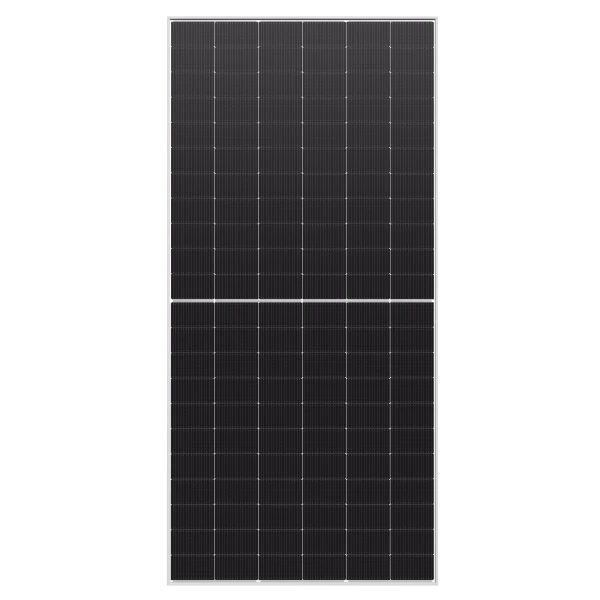
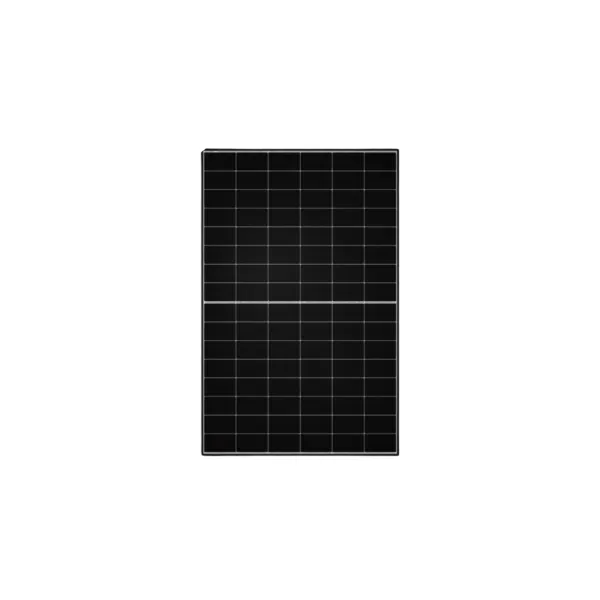
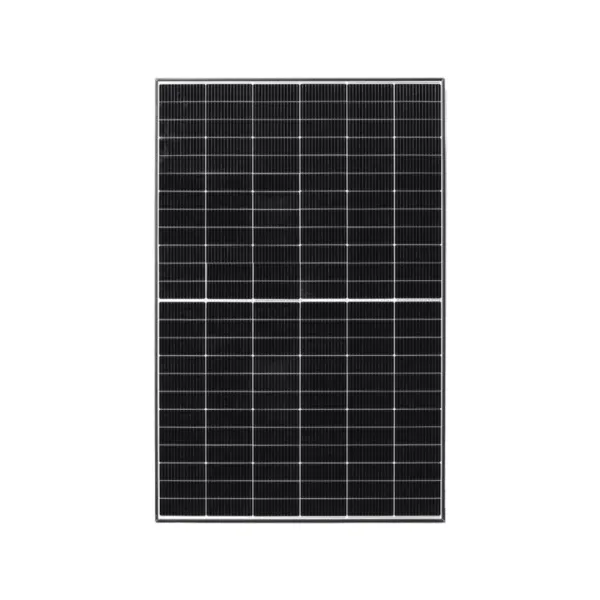
The power output specified by manufacturers (e.g., 400 W) is a value measured under laboratory conditions known as STC (Standard Test Conditions). This assumes ideal sunlight, temperature, and loss-free operation.
In reality, however, the performance of solar panels is reduced by numerous factors: high temperatures, suboptimal tilt angles, shading, or even system losses. Therefore, a panel typically achieves an annual yield of 1,200–1,500 kWh/kWp in Hungary.
It is important to note that daily production fluctuates significantly: in summer, it can be several times higher than in winter. Therefore, the question of “how much does a solar panel produce per day” should always be examined based on the annual average.
Why is it misleading to focus only on the output of a single panel?
It is a common mistake to try to infer the performance of the entire system based on a single panel. In reality, however, the systems work together, and the overall picture is much more important.
In a solar panel system, the panels are connected in series, operating in a so-called string configuration. This means that the performance of the weakest element affects the performance of the entire string.
Therefore, optimizing the entire system is much more important than monitoring the performance of a single panel. Proper sizing, inverter selection, and system design together determine how much energy is available.
If you choose high-quality solar panels and build a well-designed system, the actual yield will approach the theoretical values.
How many solar panels can be connected to the inverter?
One of the most common design questions is how many solar panels can be connected to the inverter. The answer here is not a fixed number either, because for every system, the parameters of the specific inverter determine the possibilities.
The inverter is the “brain” of the system, determining how much power it can handle and within what voltage range it operates safely. Therefore, the number of solar panels must always be determined based on the inverter’s specifications.
Maximum DC Power and Voltage Range
Every inverter has a maximum DC input power rating, which specifies the total solar panel capacity that can be connected to it. For example, for a 5 kW inverter, this is typically in the range of 5–7.5 kWp.
The voltage range is also critical: the panels operate in series, i.e., in strings, so the total voltage is the sum of the individual voltages. If the string is too long, it may exceed the inverter’s maximum; if it is too short, it will not reach the minimum required for operation.
Therefore, during design, one must always account for the panels’ voltage and temperature effects, as voltage can increase in cold conditions.
DC Oversizing in Practice
A common practice is DC oversizing, which means that the total power output of the solar panels exceeds the inverter’s rated power. This may seem strange at first, but it is actually a deliberate design decision.
The reason for this is that solar panels rarely operate under ideal conditions, so they only reach their rated power for a short time. Thanks to oversizing, however, the system can still deliver higher power even under weaker light conditions.
It is important, however, to keep this within limits, because if the system is oversized too much, the inverter will “cut off” the excess power. In a well-designed system, this ratio typically ranges between 120–150%.
What is a string in a solar panel system, and why is it critical?
A string is one of the basic concepts of solar systems, yet it is surrounded by many misconceptions. Simply put, a string refers to the series connection of multiple solar panels, where the panels are connected in sequence and together feed the voltage to the inverter.
A system can typically consist of multiple strings, depending on the system’s size and the inverter’s configuration. Proper string configuration is crucial because it directly impacts the overall efficiency and operation of the system.
One of the most important characteristics of string operation is that the performance of the panels connected in series depends on one another. This means that if a panel is shaded or performs poorly, the performance of the entire string decreases. For this reason, uniform orientation and shade-free installation are particularly important.
An improperly designed string can cause significant losses, so the design must take into account the roof’s characteristics, the placement of the panels, and the inverter’s parameters. A well-optimized string structure, however, ensures that the system delivers the highest possible output.
How long does a solar battery store energy? How long can the generated energy be used?
One of the most common questions regarding modern systems is: how long does a solar battery store energy? The answer may be surprising: time is not the most important factor, but rather the method of use.
The battery—or energy storage system—does not store energy “over time,” but rather in terms of capacity. This means that what matters is how much energy it can hold (kWh) and how quickly you use it up. A well-chosen energy storage system allows the electricity generated during the day to be used in the evening or even the next day.
If you’re interested in specific costs, it’s worth checking out the detailed analysis of energy storage prices.
Think in terms of consumption, not time!
It is a common misconception that a battery can power a household for “X hours.” In reality, this depends entirely on consumption.
For example:
-
A 10 kWh energy storage system
-
Low consumption (e.g., lighting, basic appliances) → up to 10–12 hours of operation
-
High consumption (e.g., air conditioning, oven, electric heating) → drains in as little as 2–3 hours
Therefore, residential consumption habits must always be taken into account during planning. In a properly sized system, the battery helps optimize energy usage, reduces grid draw, and increases self-consumption.
Battery lifespan is also an important factor: modern systems are capable of thousands of charge cycles, which can mean up to 10–15 years of operation. Based on this, it can be said that it is worth considering energy storage in the long term, especially if the goal is greater energy independence.
Why are balcony solar panels prohibited, and why don’t they work in practice?
Recently, more and more people have been interested in balcony solar panel solutions, especially in apartment buildings. Although a small, plug-and-play system seems like an attractive idea at first glance, in reality it faces numerous technical and legal obstacles.
The answer to the question “why are balcony solar panels prohibited” is complex: on the one hand, due to regulatory issues, and on the other, due to significant technical limitations, they cannot be considered a reliable and safe solution. Therefore, the professional consensus is unequivocal: it is not worth considering such systems.
Regulatory Background and Technical Issues
In Hungary, grid-connected systems are subject to strict regulations. However, in the case of a balcony solar panel, these requirements are generally not met.
One of the main problems is that these systems are often improperly connected to the electrical grid, which can pose a safety risk. An improperly managed system can even cause feed-in issues or grid instability.
Furthermore, the performance of such solutions is extremely low. Due to the limited surface area of the balcony, poor orientation, and shading, production is minimal, so the investment does not pay off. Therefore, it is not an ideal choice from either a technical or economic standpoint.
SOLARKIT recommendation instead of balcony solar panels
Instead of considering compromise solutions, it is a much better decision to choose a properly designed solar panel system. With a well-sized system, performance is predictable, operation is safe, and it ensures a stable return on investment in the long term.
SOLARKIT experts recommend always thinking in terms of a complete system rather than partial solutions. A properly designed system takes into account the property’s characteristics, consumption habits, and technical parameters.
If adequate roof space is not available, alternative solutions exist, such as community or shared systems, which are much more efficient and operate within a regulated framework.