Common technical pitfalls in the installation of solar panel systems under grant programs
Harnessing solar energy is no longer just an environmentally conscious choice, but also the most effective way for Hungarian households to combat rising utility costs. Many people embark on the installation process with the help of government subsidies, but this form of solar panel installation involves specific technical requirements and administrative conditions that you should be aware of before starting the project. This article will help you navigate the strict technical rules of grant-funded systems and the maze of permitting processes to avoid the most common pitfalls.
The foundation of successful implementation is precise planning, as most technical problems can be traced back to poor sizing or the selection of an inappropriate inverter. Time pressures during installation often lead to compromises in quality, such as when securing the mounting structure, which jeopardizes the system’s stability in the long term. Additionally, we’ll examine trends in solar panel installation costs and market distortions caused by grant programs.
We’ll walk you through the solar panel installation process and its critical points, covering the permitting phases from grid connection to annual billing. In the spirit of professional credibility, we’ll share practical advice and SOLARKIT tips with you—whether you’re a contractor or an informed customer—to ensure the longevity and high returns of your solar investment. Our goal is for you to receive not just a system, but a truly functional energy solution that’s technically flawless.
Specifics and conditions of solar panel installation through grants
Solar panel installations funded through grants differ significantly from purely market-based investments, as grant agreements impose strict technical requirements and accounting rules. While proving eligibility is a primary condition for solar panel installation, from a technical standpoint, the most important requirement is compliance with the system’s precise parameters, upon which the disbursement of the solar panel installation grant is based.
Mandatory technical rules and administrative conditions for solar panel installation
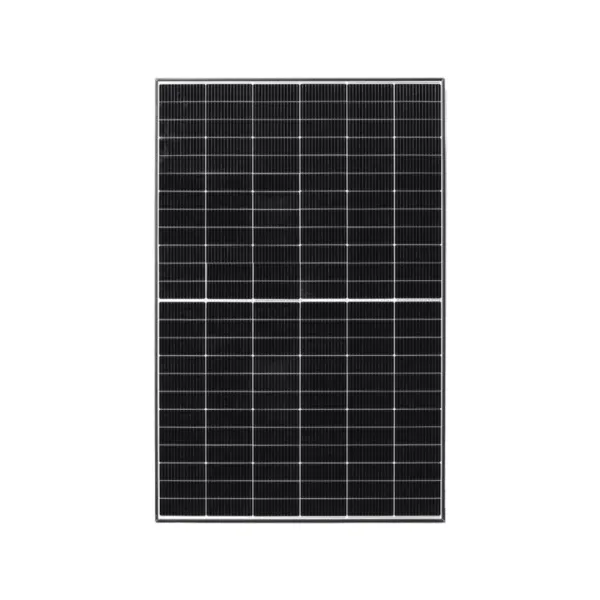
For subsidized projects, the rules for solar panel installation are strict: they often specify the minimum efficiency of the solar panels that can be used and the list of approved inverters. Under Hungarian regulations, the contractor must certify professional installation, with compliance with electrical safety standards being a key requirement. In such cases, the number of units and the capacity specified in the application must not be deviated from during system installation, as this could result in the loss of the subsidy.
The solar panel installation process and permit application
The solar panel installation process begins with a complex, multi-step administrative procedure: after planning, approval from the regional electricity provider is required. During the permitting process for solar panel installation, the connection plan must be submitted, followed by a completion report once physical installation is finished. In the case of a grant application, this process is supplemented by a rigorous review of measurement data and implementation documentation.
Design errors: where most problems begin
Precise planning is one of the most important milestones for a successful solar panel installation. A common mistake is that investors strive to maximize the grant budget instead of basing their plans on the building’s characteristics and actual energy needs. This approach leads to technical pitfalls that result in continuous losses over the system’s lifetime.
Incorrect sizing due to grant requirements
The conditions for solar panel installation in grant applications often encourage the construction of the largest possible system. However, if the roof orientation or shading factors are not ideal, installing an oversized solar panel system will not yield the expected results. In such cases, it is important to understand that the placement of the panels and the configuration of the strings determine annual production. If the designer does not take into account the local limitations of the electrical grid, the utility may limit feed-in at the connection point, which reduces the return on investment.
Inverter Selection Mistakes
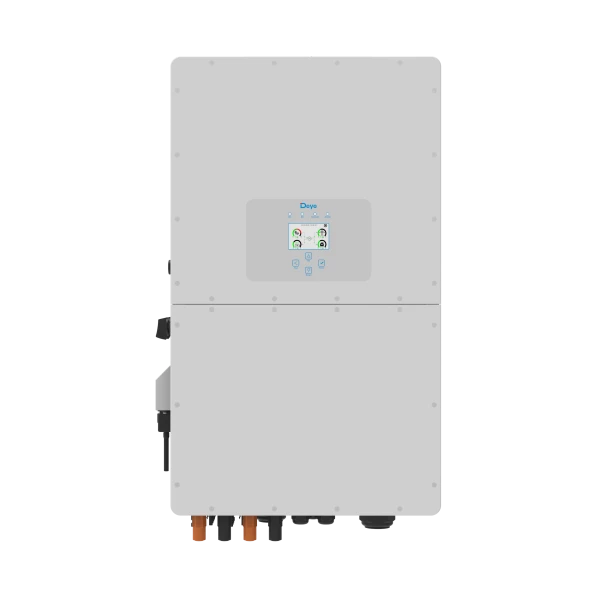
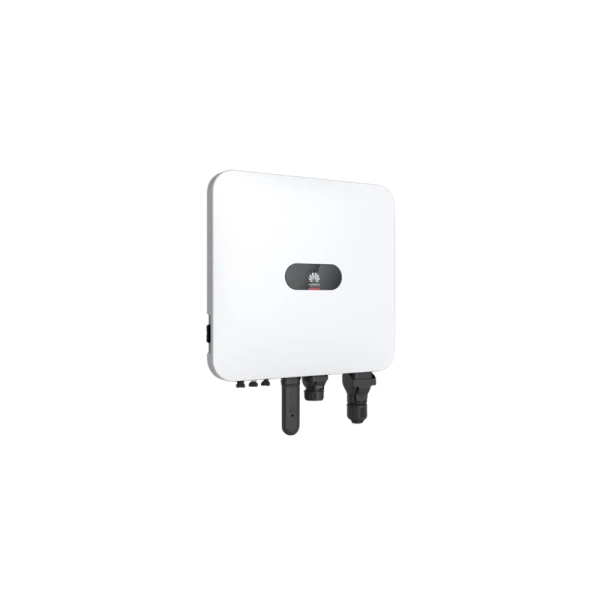
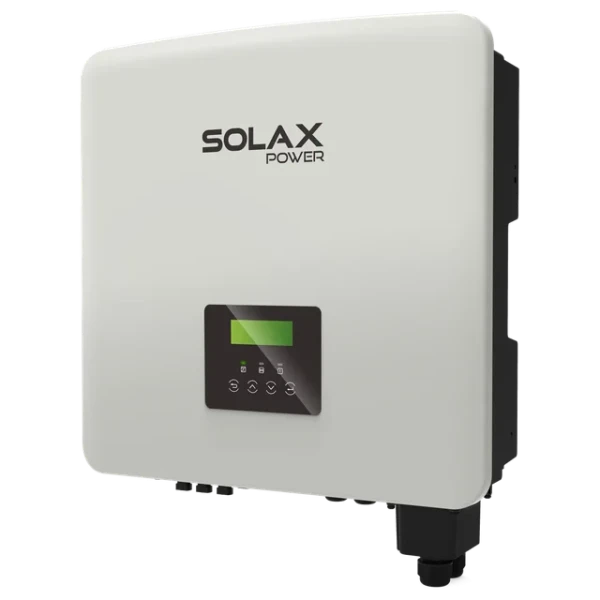
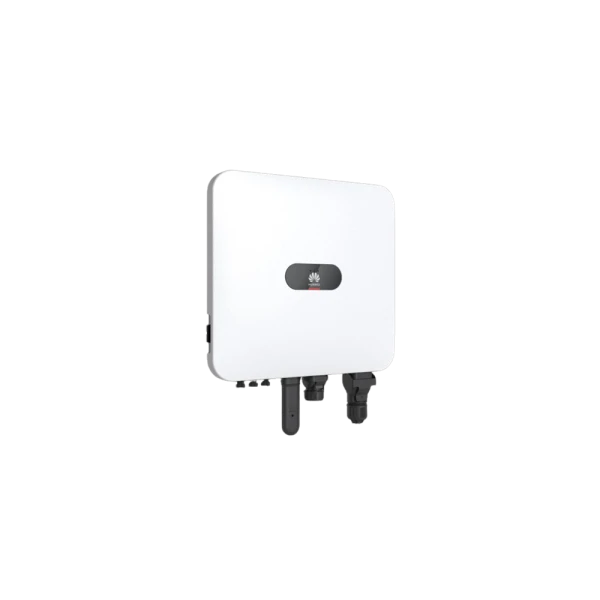
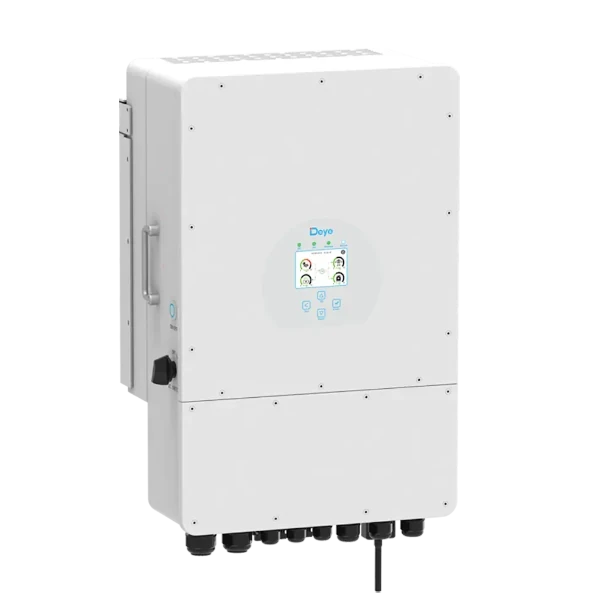
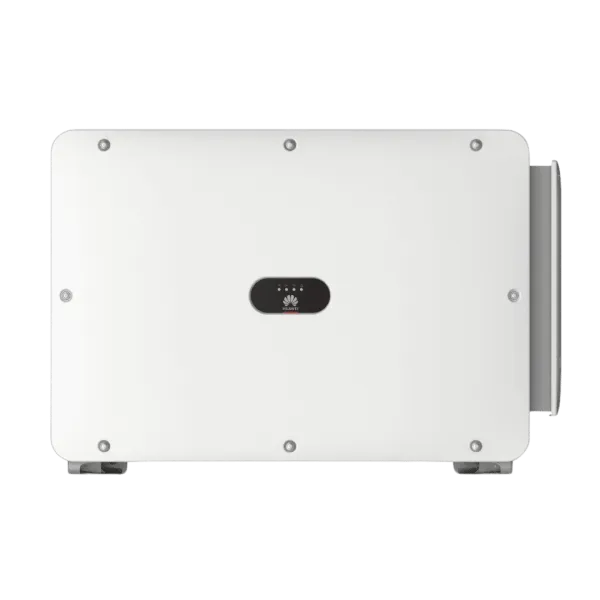
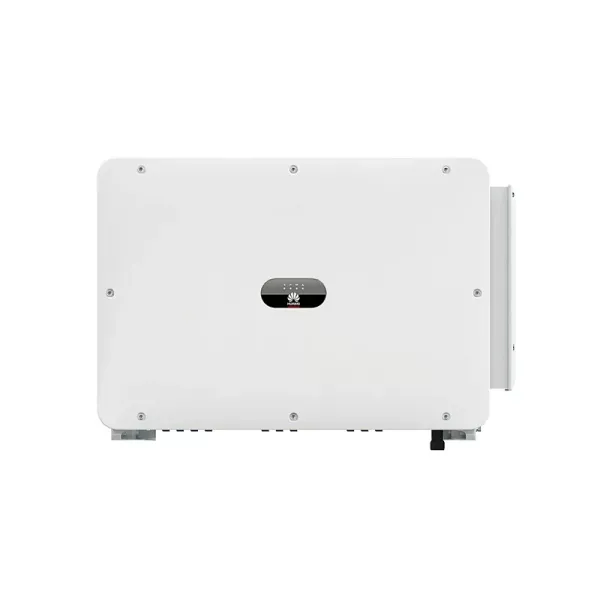
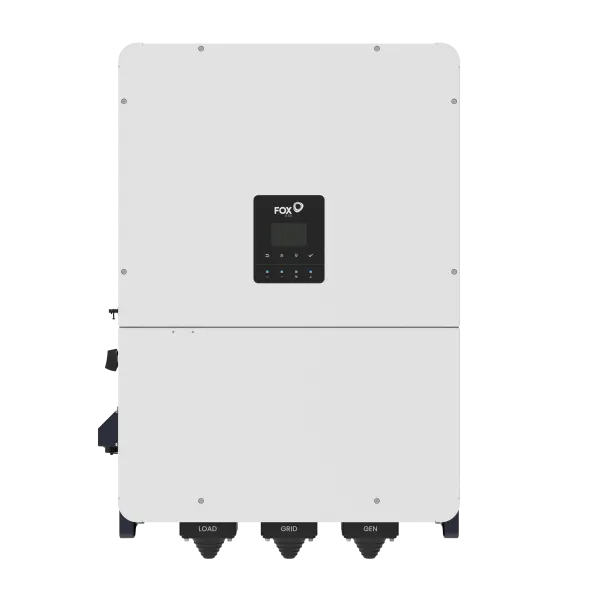
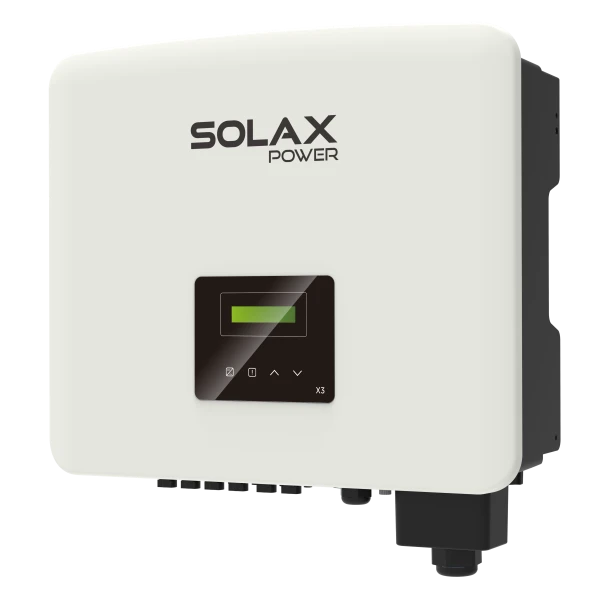
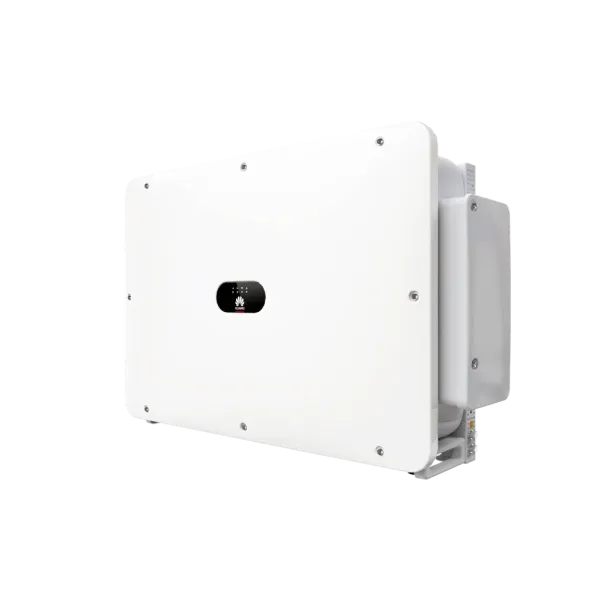
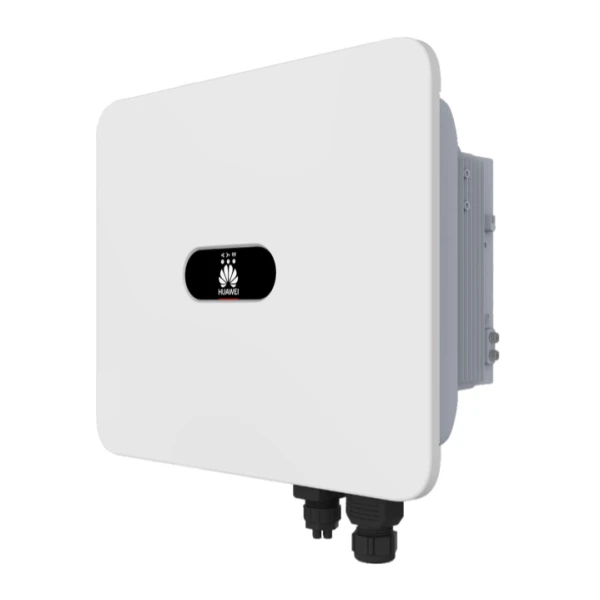
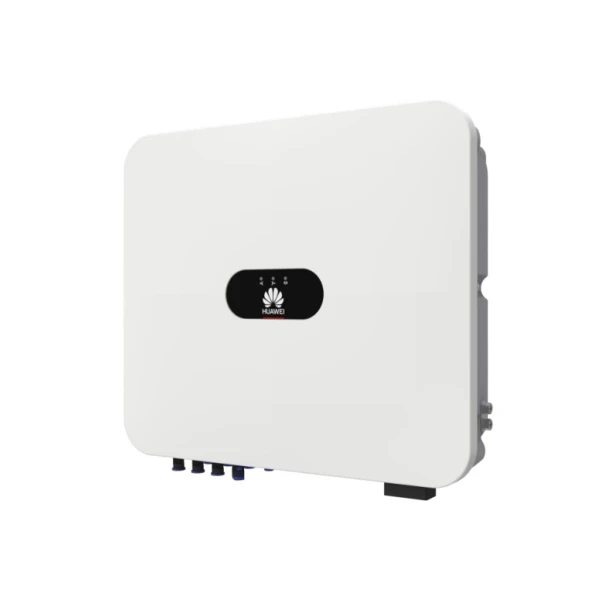
The inverter should be treated as the heart of the system, yet many people try to cut corners here. In grant-funded projects, it is common to select a device that lacks sufficient maximum power point trackers (MPPT), preventing fields with different orientations from operating optimally. Solar panel installation regulations also require the presence of appropriate protective equipment. With a poorly chosen device, the inverter may issue an error signal in the event of faulty grounding or insulation issues (e.g., leakage current or insulation fault), which can result in a partial or complete shutdown. During the design phase, it is advisable to consider future scalability and choose a hybrid solution where future trends in solar panel and battery prices will allow for the addition of energy storage later on.
Construction Defects in Grant-Funded Projects
The physical installation phase of a solar panel project is both the most visually striking and the most critical part of the project. In grant-funded projects, tight deadlines and fixed budgets can put pressure on contractors, often leading to compromises on professional standards. High-quality workmanship is essential for long-term, safe operation.
Quality compromises due to time pressure
A common condition for receiving solar panel installation subsidies is strict adherence to deadlines. Unfortunately, this pressure often results in insufficient attention being paid during installation to UV-resistant cable protection or the precise crimping of connectors. However, it is important to know that carelessly installed wiring and poor connections can pose a fire hazard. Attempts to rush the solar panel installation process, such as inadequate insulation of roof penetrations, can later lead to serious leaks, which endanger the condition of the entire property.
Inappropriate choice of mounting structure
Solar panel systems are exposed to the elements for decades, so the design and material of the mounting structure are critical. A common mistake is using fasteners that are not certified for the specific type of roofing (e.g., tile, slate, sheet metal) in an effort to reduce costs. Due to the use of unsuitable hooks or rails, high wind loads can even tear the modules off. With cheap, non-anodized aluminum or non-stainless steel components, the structure can weaken due to galvanic corrosion, which in the long run means the failure of the solar panel installation.
Solar Panel Installation Costs and Grant-Related Distortions
The issue of solar panel installation prices is always a central concern, but in a grant-funded environment, this topic becomes even more complex. Although the purpose of the grant is to reduce the financial burden, in practice, market dynamics often emerge that can ultimately compromise technical quality if the client is not sufficiently vigilant.
Why don’t they reflect actual costs?
Call for proposals often include a maximum eligible unit cost. This results in contractors being forced to adjust their prices to fit within the subsidy framework for solar panel installation, which sometimes deviates from market realities. If purchase prices rise but the grant budget remains fixed, some contractors are forced to respond by cutting costs, which in certain cases can lead to lower technical quality. Thus, the solar panel installation appears to be free or inexpensive, but the system’s long-term efficiency may be called into question.
Where are the wrong cuts being made in these projects?
Cost-cutting often occurs where it should be avoided most: on protective equipment and the selection of high-quality solar panels. Adequate surge protection and durable cabling are essential during solar panel system installation. If corners are cut here, repair costs will dominate instead of solar energy production. It is not uncommon for it to become clear at the end of the project that the necessary maintenance and lost production end up costing more than if a higher-grade system had been chosen from the start. During the solar panel installation process, it is worth insisting on equipment with quality certifications.
The solar panel installation process: Where do things most often go wrong?
Solar panel system installation is a strictly regulated process, and every step determines future operational reliability. In grant-funded projects, the solar panel installation process is often disrupted by administrative delays, which can lead to rushed physical implementation. The most common mistake occurs when a thorough inspection of the electrical grid is omitted during the site survey, so it only becomes apparent during installation that the site is not suitable for the increased load.
SOLARKIT Tips: How to Avoid These Mistakes as a Contractor
The foundation of high-quality solar panel installation is to check the structural integrity of the roof before mounting the panels intended for energy production. As a contractor, always use factory-supplied connectors during installation and avoid mixing different brands, as this is one of the most common causes of arcing later on. Continuous documentation is also important: take the photos required for project accounting not only at the end but also during the various technical stages of the process. Install the inverter in a well-ventilated, dust-protected location, and always verify the accuracy of the Hungarian grid settings (e.g., voltage protection). The solar panel installation process can be considered successful if the system starts up immediately and without errors after acceptance by the utility company.