Solar Inverter Prices and Selection Criteria: How to Make a Smart Choice?
One of the most important, yet often underrated, components of a solar power system is the inverter. This device is responsible for converting the direct current generated by the solar panels into alternating current that can be used in your home, thus playing a key role in the efficient operation of the entire system. It is no coincidence that choosing an inverter and comparing inverter prices requires careful consideration.
In this article, we’ll explain in detail what solar inverter prices depend on most, and how factors like power output affect costs. We’ll also cover exactly what role inverters play in the system, what types you can choose from, and what factors to consider when selecting the right solution.
At the end of the article, you’ll find practical recommendations: we’ll introduce solar panel solutions with inverters that offer good value for money, as well as which inverter is best suited for a battery system in the long term.
What factors most influence solar inverter prices?
Solar inverter prices depend on numerous factors, so it is not possible to quote a single fixed price. One of the most important factors is power output, but technology, brand, functionality, and system type also have a significant impact on price.
One of the fundamental differences between inverters is the type of system they are designed for. A simple, grid-tied inverter is generally more affordable, while a stand-alone solar inverter or a hybrid solar inverter—which is also capable of managing a battery—can be significantly more expensive. This is because these devices incorporate more complex technology and perform multiple functions within a single system.
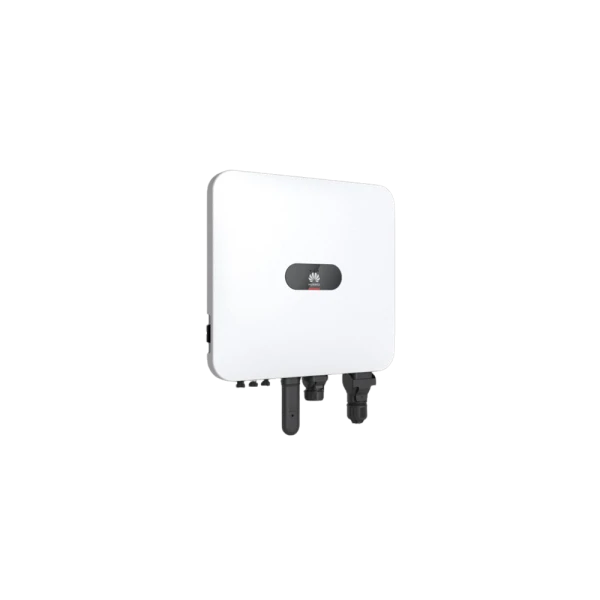
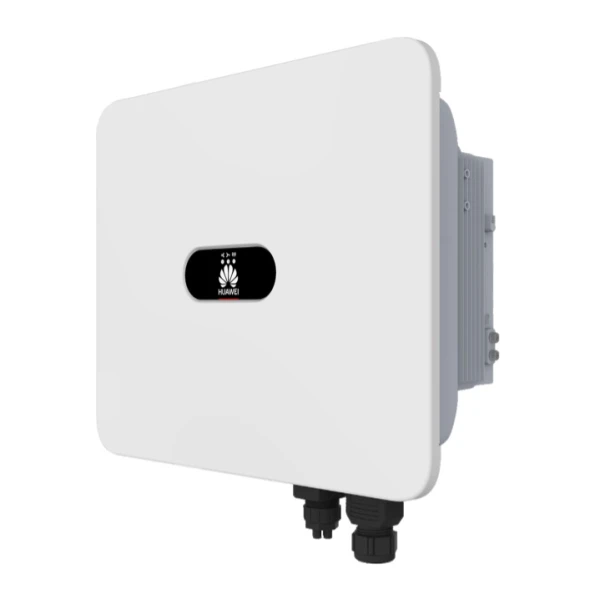
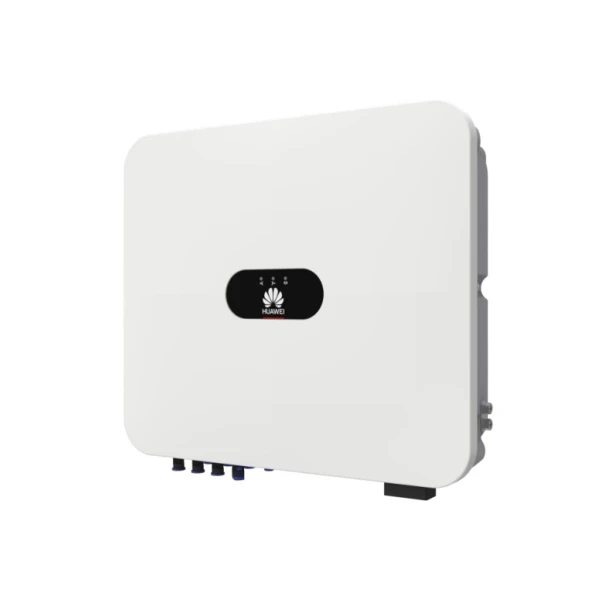
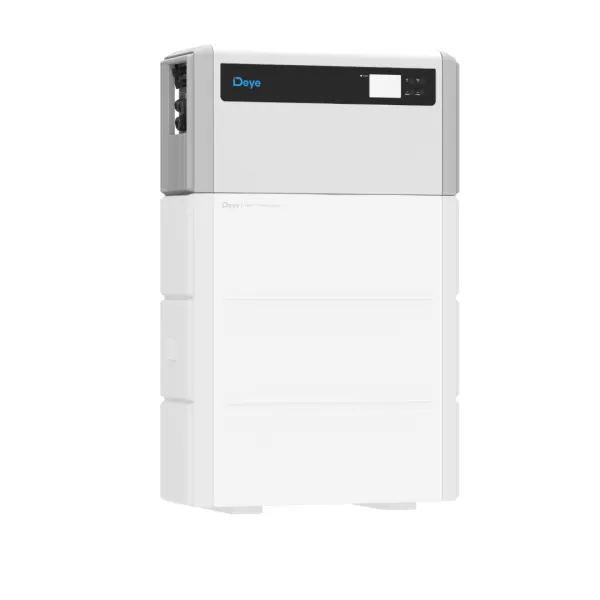
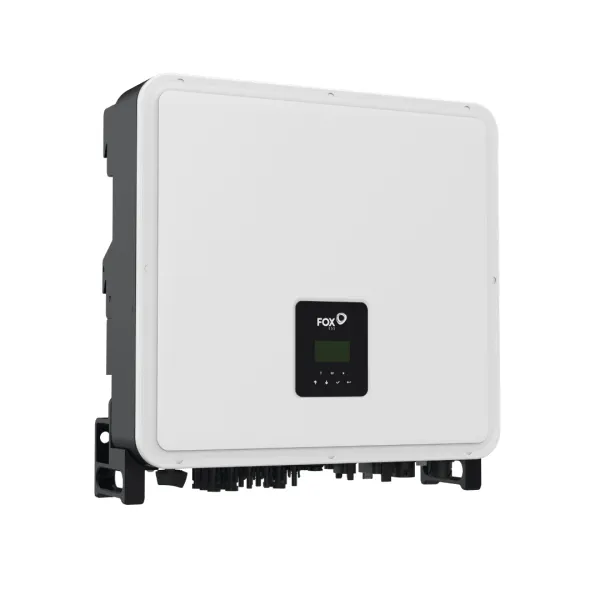
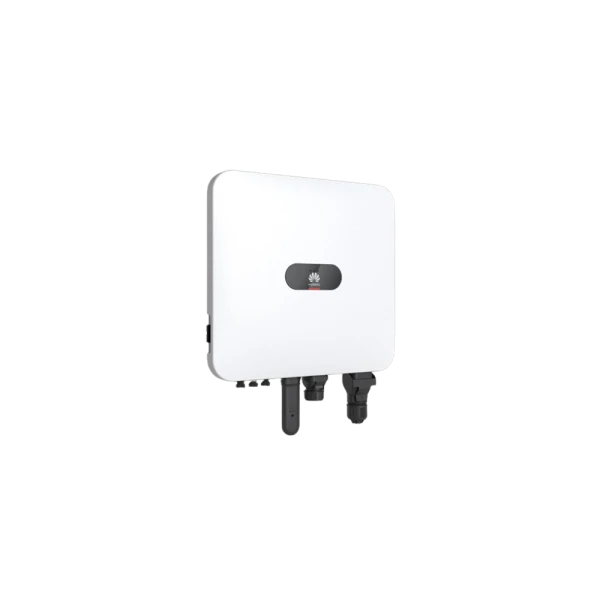
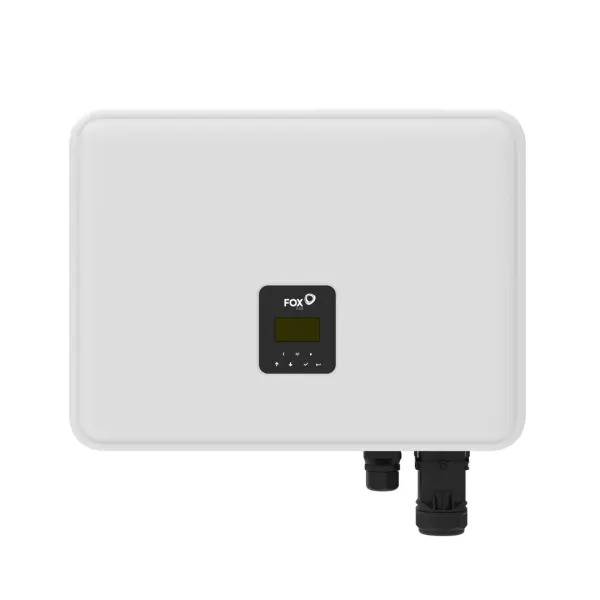
The manufacturer is also an important factor. Among well-known brands, Huawei, for example, falls into a higher price range, while Deye typically belongs to a lower price category; however, in the long term, systems from Huawei, Fox ESS, and even Deye are expected to provide reliable and efficient operation. When selecting a suitable inverter, it is not advisable to base your decision solely on price, as quality directly affects the performance and lifespan of the entire solar system.
It also matters what extra features the inverter has. Smart monitoring systems, remote access, optimization, or battery compatibility can all increase the price of the inverter, but they provide significant long-term benefits.
How do 5kW and 10kW power ratings affect the price of a solar inverter?
Power output is one of the most decisive factors in determining solar inverter prices. A smaller solar inverter, such as a 5kW model, is generally cheaper because it is designed for smaller residential systems and needs to handle less energy.
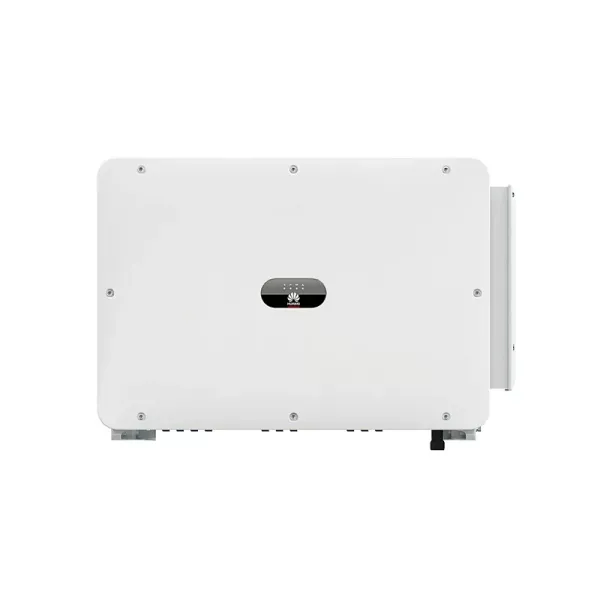
In contrast, a 10 kW solar inverter is intended for larger systems where more solar panels are installed, so the inverter must handle a heavier load. This is reflected not only in the power rating but also in the price. Larger inverters are not only more expensive but often feature more advanced technology.
It’s important to understand that the price doesn’t increase linearly with power output. In many cases, a larger inverter can be more cost-effective per unit of power, especially if you optimize the size of the entire system. It’s therefore worth thinking ahead about how much energy you’ll need in the long term and choosing your inverter accordingly.
What is the role of solar inverters in the system?
Solar inverters are the central components of the entire solar system. Their job is to convert the direct current (DC) generated by the solar panels into alternating current (AC), which household electrical appliances can use. Without this process, the solar system would not be able to supply your home with energy.
The inverter not only converts but also monitors and optimizes the system’s operation. A modern inverter-based solar solution can monitor production, signal faults, and ensure efficient energy use. This is particularly important if your system is grid-connected or supplemented with battery storage.
It is also crucial for the system’s operation that the inverter is properly sized and selected. An improperly sized inverter can cause power loss or even operational issues. Therefore, it is important that the entire system—including the solar panels and the inverter—is in harmony.
If you’d like to learn more about how much energy a system can generate, check out this article:
👉 How much does a solar panel generate per day?
What types of single-phase and three-phase solar inverters are available?
When selecting an inverter, an important decision is whether to choose a single-phase solar inverter or a three-phase solar inverter. This primarily depends on the property’s electrical grid and the size of the system.
Single-phase inverters (typically for lower power requirements) are suitable for single-phase systems, such as in single-family homes where energy demand is lower. These are simpler and generally come at more affordable prices.
In contrast, three-phase systems are capable of higher power output and distribute the load more evenly across the electrical grid. A three-phase solar inverter is particularly recommended if larger consumers—such as a heat pump or electric vehicle charger—are also operating within the system.
String inverter, microinverter, or hybrid solar inverter?
Several types of inverter technology are available on the market, and they differ significantly from one another in terms of both operation and price.
The string inverter is the most common solution, where multiple solar panels are connected in series. This is a cost-effective and reliable choice, especially for homogeneous roof surfaces.
Microinverters, on the other hand, are connected to each panel individually, thereby optimizing the performance of each panel. This is advantageous when shading or varying orientations are present.
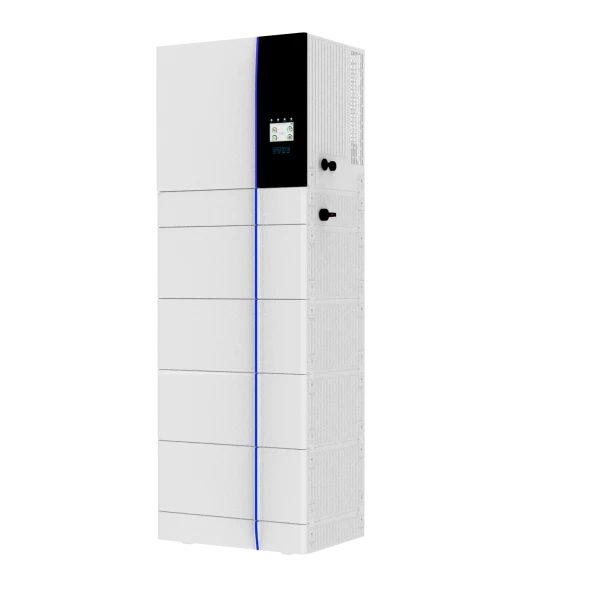
Hybrid solar inverters are becoming increasingly popular because they can also manage batteries. This means you can not only use the energy immediately but also store it for later use. A hybrid inverter can be a particularly cost-effective solution in the long term.
What determines how many solar panels can be connected to the inverter?
Many people ask: how many solar panels can be connected to an inverter? The answer depends on several factors, such as the inverter’s power rating, the panels’ power output, and the system configuration.
Inverters have a maximum input power rating, which determines how many panels can be connected to them. Voltage and current limits must also be taken into account.
In a well-designed system, the power of the panels and the inverter are optimally matched. This ensures that the system operates efficiently and minimizes losses.
What should we consider when installing an inverter for off-grid solar systems?
The placement of the solar inverter is particularly important for off-grid solar systems. Since these systems are not connected to the grid, the inverter’s operation is critical for energy supply.
The inverter must be installed in a location where it is protected from extreme temperatures and moisture. Ensuring proper ventilation is essential, as the inverter generates heat during operation.
It is also important that it be located in an easily accessible place, as quick intervention may be necessary in the event of maintenance or a malfunction. A well-chosen location that complies with regulations contributes to long-term, reliable operation.
Recommended solar panel, inverter, and battery models with good value for the long term
When considering the installation of a solar panel system, it’s not just current inverter prices that matter, but also how reliable and efficient the system will be in the long run. An inverter selected with expert guidance, along with suitable solar panels and a compatible battery, together ensure optimal performance.
There are many manufacturers to choose from on the market, but based on experience, Huawei, Deye, and FoxEss stand out in terms of quality and reliability. These brands not only offer durable equipment but also advanced monitoring systems and modern technologies that help optimize system performance.
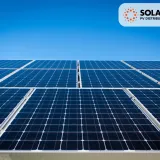
If you’re looking for a solution right now, it’s worth checking out the solar panels page.
Here, you can choose from panels of various capacities and types that can be easily integrated with the selected inverters.
When selecting the right inverter, make sure it is compatible with the other components of the system, especially if you plan to expand it later, and it is always advisable to seek the opinion of our experts.
Solar panels with inverters ideal for battery systems
Battery systems are becoming increasingly popular because they allow for the storage and later use of energy. However, this requires a battery capable of managing the charging and discharging processes.
In a well-designed solar system, the inverter and the battery work closely together. This requires a hybrid inverter, as it can automatically decide whether to use the energy immediately, store it, or feed it back into the grid.
Another important consideration is how scalable the system is. An inverter sized to meet long-term needs allows you to connect additional batteries or panels later on. This can be particularly useful if your energy needs increase over time.
Such systems are virtually maintenance-free and cost-effective in the long run, as they reduce dependence on the grid and increase self-sufficiency.
FAQ – Frequently Asked Questions
1. How much does a solar inverter cost?
Inverter prices vary widely, generally depending on power output, type, and manufacturer. A basic single-phase solar inverter is cheaper, while a hybrid or three-phase solution falls into a higher price range.
2. What is the best type of inverter for a solar system?
The best choice always depends on the customer’s needs. A string inverter may be suitable for a simple system, but in the vast majority of cases, a hybrid system is the ideal, long-term choice.
3. What power rating should I choose for the inverter?
This depends on the capacity of the existing electrical grid (how many amps are available at the meter) and the demand, i.e., energy consumption.
A 5 kW solar inverter may be sufficient for smaller households, while for larger systems, a 10 kW solar inverter is the better choice.
4. Why is proper placement of the inverter important?
The placement of the solar inverter affects its lifespan and operational efficiency. Proper ventilation, protection from extreme temperatures, and easy accessibility are important.
5. Can an inverter be used with a battery?
Yes, but this requires a solution that supports energy storage. The solar inverter is battery-compatible; in the case of a hybrid inverter, when paired with a battery, it allows for energy storage and later use.