Solar Inverter Sizing: How to Choose the Right Inverter?
The inverter is the heart of a solar power system, and whether the system delivers the promised output depends entirely on its proper sizing. A poorly chosen inverter not only reduces output but can also lead to warranty claims, dissatisfied customers, and shrinking profit margins. In this article, we’ll walk you through what to look for when sizing a solar inverter so you can deliver predictable results from project to project.
First, we’ll clarify why the correct solar inverter size is important, then we’ll look at how string sizing works by manufacturer and what criteria to use when selecting an inverter manufacturer from the available options. Next, we’ll cover what data you need for sizing and what the optimal DC/AC ratio is for the planned system.
We’ll show you how inverter and solar panel power output relate to each other, what to watch out for in residential projects, and when it’s worth involving a separate engineering design. Finally, a summary and an FAQ section will help you approach sizing with confidence for every project.
Why is the size of a solar inverter important?
The size of the solar inverter is a key issue because the inverter converts the direct current generated by the panels into usable alternating current—the efficiency of the entire system largely depends on it. If it is incorrectly sized, it leads to energy loss, reduced system performance, and unnecessary extra costs, which directly impact customer satisfaction and return on investment.
There are two ways to go wrong. If the inverter is too small for the panels, it will clip the excess power during the midday peak—this is called clipping: the panels generate more DC current than the inverter can handle, resulting in a loss. If, on the other hand, it is too large, it operates less efficiently under lower light conditions and is also more expensive. This is precisely why proper inverter sizing is not a technical formality: it directly determines how much the installed solar system generates and how quickly the investment pays off.
String sizing by manufacturer
String sizing determines how many panels can be connected in series in a single string so that the string voltage remains within the inverter’s MPPT range throughout. This involves four conditions: the open-circuit voltage increased by cold weather must not exceed the inverter’s maximum DC input voltage; the operating voltage must fall within the MPPT window; and the current must not exceed the maximum input value. If the string voltage falls outside the inverter’s operating range, it can severely degrade performance or, in the worst case, destroy the inverter.
This is where the manufacturer-specific approach to string sizing becomes crucial: every inverter manufacturer specifies different MPPT voltage windows and maximum input currents, so always design based on the specific manufacturer’s datasheet, not on a general inverter category.
Criteria for selecting an inverter manufacturer
Here are some factors to consider when evaluating any inverter manufacturer as a reseller or installer. In terms of efficiency, modern inverters typically range between 96% and 99%—the higher the efficiency, the less energy is lost, and the stronger the selling point. In terms of warranty, most brands offer a standard warranty of 5–12 years, with some extendable to 12–20 years, which reduces the risk of complaints. On the service side, leading manufacturers send replacement units within a few business days, which reduces system downtime. Finally, scalability: if the customer plans to install energy storage later, it is advisable to choose an inverter that is already prepared for this.
Recommended solar inverter manufacturers
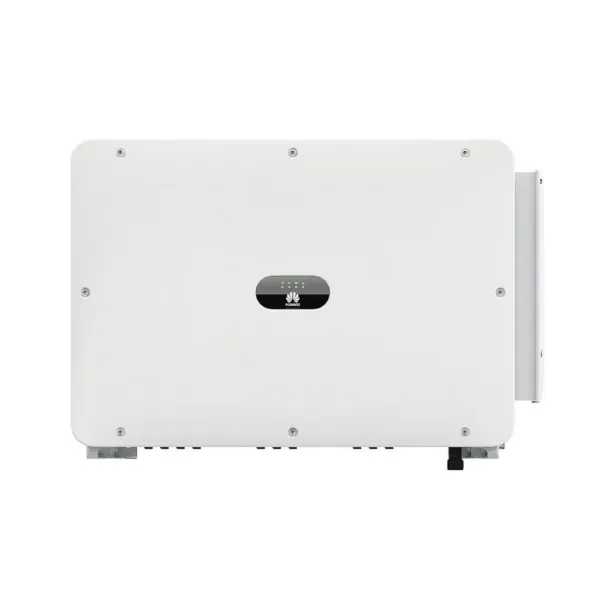
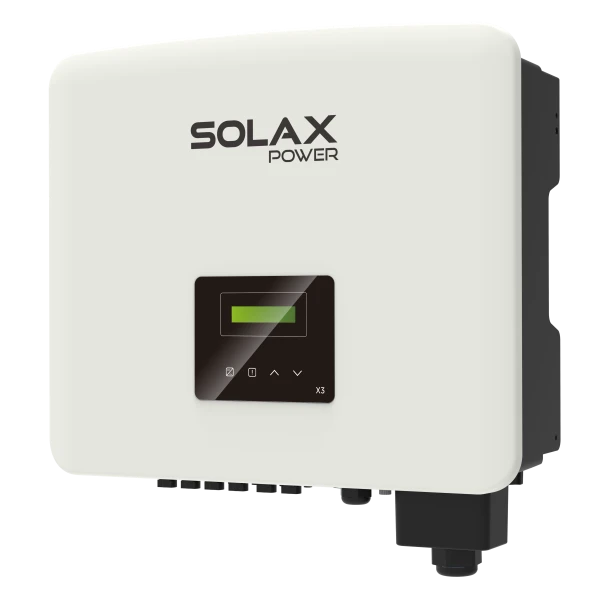
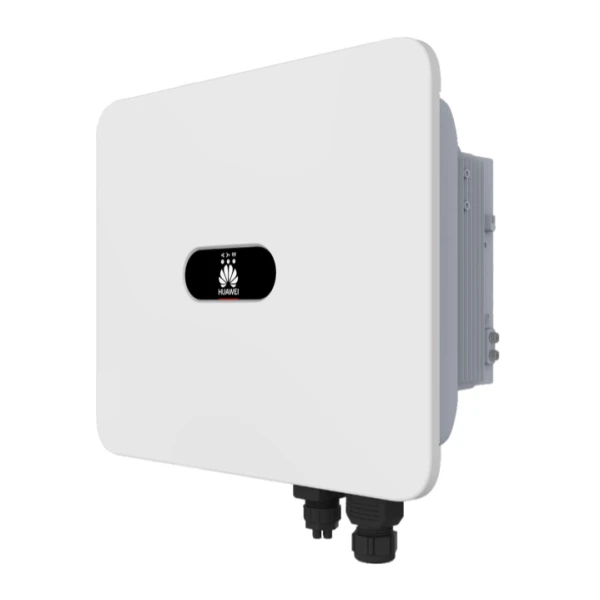
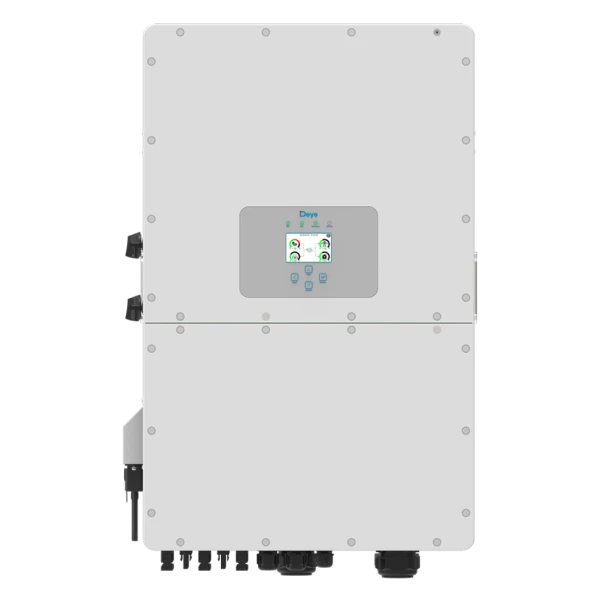
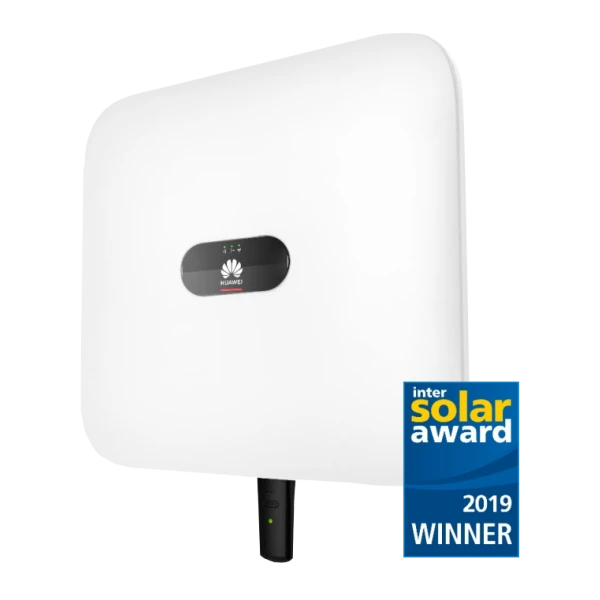
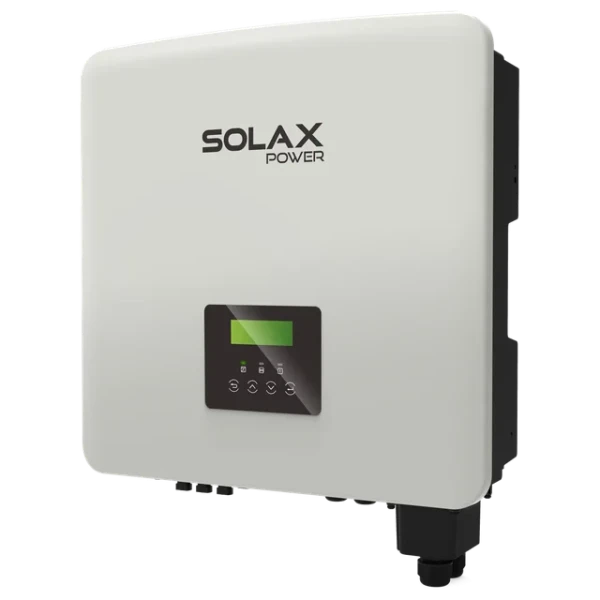
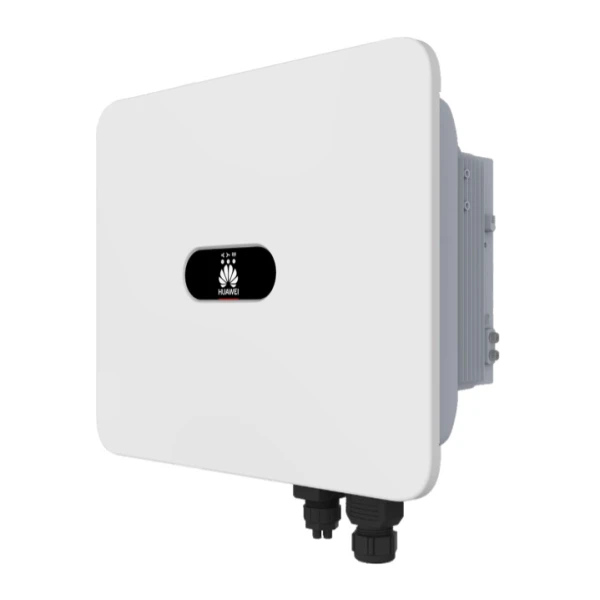
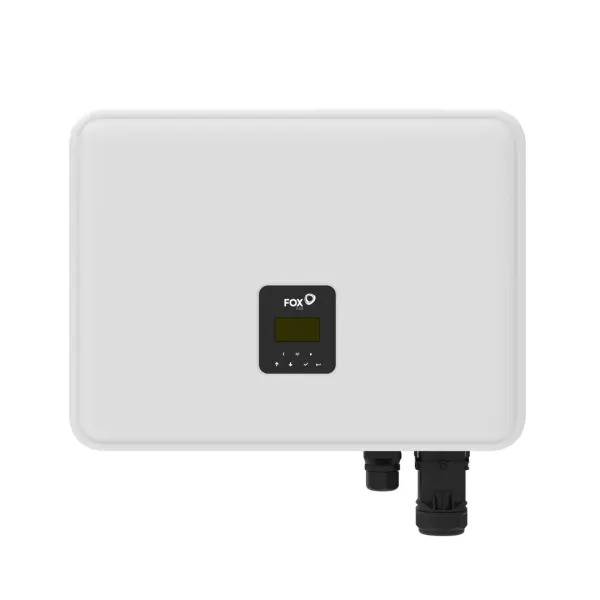
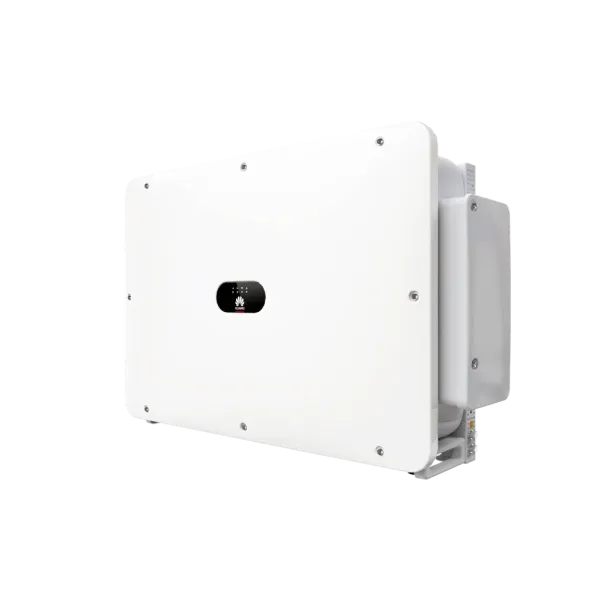
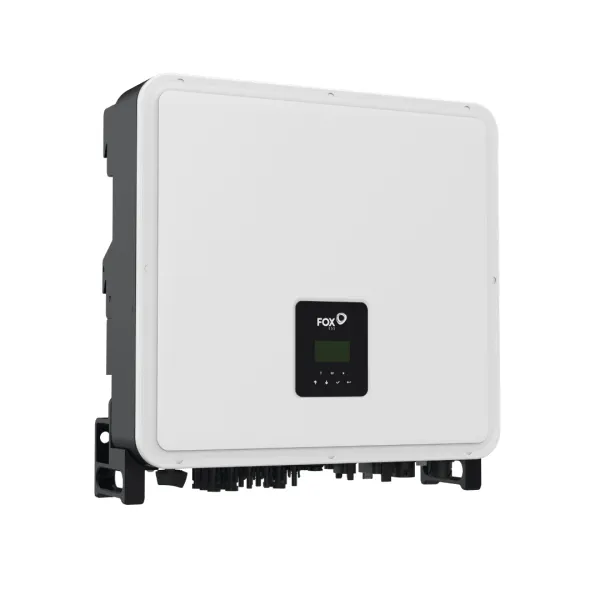
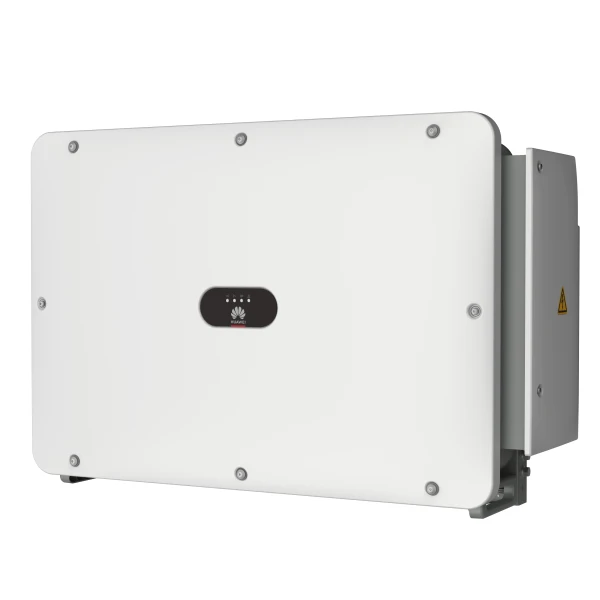
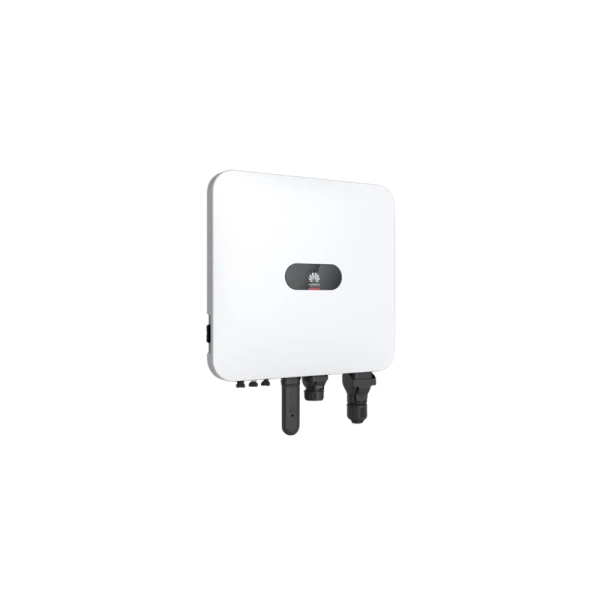
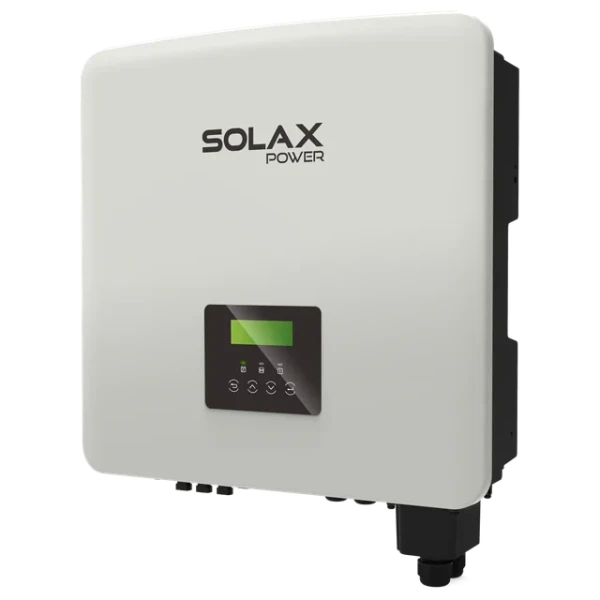
SOLARKIT’s B2B portfolio offers a selection of four proven solar inverter manufacturers, typically available from stock: Deye, Huawei, SolaX, and FoxESS. Huawei leads the global inverter market in independent industry rankings. Deye’s SUN series inverters come with a 10-year warranty covering material defects and major components, while for SolaX models, the standard 5-year warranty is automatically extended to 10 years with SolaX Cloud connectivity. In the residential segment, FoxESS smart hybrid products—which can be expanded with batteries—are popular. As a partner, you can browse the FoxESS inverter lineup and decide which model is the best choice for a given project based on each model’s performance and features.
What data is needed to size an inverter?
Proper inverter sizing is based on data, not estimates, and the inputs include the solar panel array, the inverter’s data sheet, and the customer’s consumption data. Data required from the panel side: total DC power (number of panels × rated power per panel), as well as the operating point voltage (Vmp), open-circuit voltage (Voc), current values (Imp, Isc), and the temperature coefficient of voltage listed on the panel datasheet. In addition, the expected minimum and maximum temperatures at the installation site must be considered, as the open-circuit voltage can increase by as much as 20–30% compared to the STC value in cold weather.
On the inverter side, the maximum DC input voltage, the MPPT voltage window, and the maximum input current are the key factors, and the manufacturer’s data sheet is always the final authority. Ask the customer for their annual electricity consumption: this is best determined based on 12 months of electricity bills or detailed consumption data.
Optimal DC/AC Ratio
One of the most important indicators for sizing is precisely this ratio: the quotient of the total DC power of the solar array and the inverter’s nominal AC power. In professional practice, values between 1.15 and 1.25 are typically ideal for residential systems, and between 1.20 and 1.30 for commercial systems. It is worth intentionally and slightly oversizing the panels because solar panels rarely deliver their rated STC power in reality—due to heat, diffuse light, and dirt, the actual output is typically 75–85% of STC. Thus, the inverter operates near its efficient, rated power for most of the time and only cuts off the rare production peaks. A practical example: a 6 kWp array with a 5 kW inverter yields a ratio of 1.2, which is a good starting point for most solar systems.
Ratio of inverter power to solar panel power
This ratio essentially expresses the relationship between the inverter’s and the solar panels’ power: how the inverter’s AC-rated power compares to the panel array’s total DC power. The appropriate size always depends on the panel capacity and the customer’s consumption goals, as under- or oversizing affects everything from investment costs to long-term energy yield. A proven rule of thumb is that the inverter’s AC power should be roughly 80–90% of the panel array’s DC power—this results in a balanced system. Both extremes—an inverter that is too small and one that is too large—cost money, just in different ways.
Too small an inverter: what problems can it cause?
If the inverter is too small for the panel array, it cannot process the full output during peak hours in the afternoon. This is when clipping occurs: for example, if 6 kW panels are producing at maximum capacity but the 4 kW inverter reaches its limit, 2 kW of energy that has already been generated and paid for is lost. A small amount of clipping is normal and acceptable, but excessive clipping leads to noticeable energy loss and a lower return on investment—this should be avoided in a reference project, especially in sunny regions with high production levels.
Oversized inverter: when is it not worth it?
An oversized inverter rarely causes technical problems, but it is often not cost-effective and reduces the competitiveness of your bid. On the one hand, efficiency is lower at partial load: inverters are most efficient at around 80–95% of their rated power, but an oversized unit operates at 40–60% load for most of the day and also consumes 10–30 watts for its own operation at night. On the other hand, purchasing a larger unit is more expensive, resulting in unnecessary additional costs. A higher-capacity inverter is typically only justified if the customer definitely plans to expand the system later, thereby saving on the cost of replacing the inverter when the panel array is expanded.
Inverter sizing for single-family homes
Sizing residential projects is relatively straightforward in practice, but there are a few factors worth considering. For single-phase homes, inverters are typically selected up to 2.5 kW, as the maximum allowed power for grid-connected inverters on a single phase has been capped at 2.5 kW starting in 2023; for three-phase systems, this can go up to 15 kW, and you should always check your utility provider’s potential feed-in limits.
In practice, a 3.5–4 kW inverter is best suited for an average solar array of about 4 kW, as it operates in its most efficient range with approximately 90% utilization during peak hours. For homes with higher energy consumption—such as those with air conditioning, heat pumps, swimming pools, or electric cars—the 6–10 kW range is more realistic. If the customer also plans to store solar energy, recommend a hybrid inverter that manages both solar production and battery charging—this is also a good upsell opportunity. For partially shaded roofs, an inverter optimizer can be very helpful, as it optimizes output at the panel level before the DC current enters the central string inverter.
When should you leave the selection of an inverter to a professional?
As an experienced installer, you can confidently handle most of the sizing yourself; however, in some cases, it’s worth involving a separate engineering design or a specialist, or even better, using the design software provided free of charge by manufacturers. The following applies to the design of any solar system: for installations exceeding 10 kW, engineering approval and structural calculations are often required, and a feed-in agreement with the utility company is necessary for grid connection. The electrical connection must always be performed by a qualified electrician. For complex projects involving energy storage, selecting the storage capacity and hybrid topology also requires thorough planning—our analysis titled “Comparison of Energy Storage Systems ” is a good starting point for this.
If you get stuck, SOLARKIT’s technical support and expert services can assist with sizing and project planning to ensure that every delivered system delivers predictable results.
Frequently Asked Questions
What size inverter is recommended for an average single-family home?
For an average solar array of approximately 4 kW, a 3.5–4 kW inverter is typically appropriate, as this allows it to operate within its most efficient range during peak hours, with an utilization rate of about 90%. For single-phase systems, inverters are generally selected up to 2.5 kW, and for three-phase systems, up to 15 kW.
What happens if the inverter is too small?
If the inverter is smaller than the panels’ capacity, clipping occurs during the midday peak. In this case, the inverter cuts off the excess, and some of the energy already generated is lost. A small amount of clipping is acceptable, but excessive clipping noticeably reduces the return on investment.
How much greater should the total output of the solar panels be than that of the inverter?
According to the established rule of thumb, the inverter’s AC power output should be roughly 80–90% of the DC power output of the panel array. For residential systems, a DC-to-AC ratio between 1.15 and 1.25 is considered ideal.
Does cold weather affect inverter sizing?
Yes, and significantly so. In cold weather, the open-circuit voltage of the panels can increase by as much as 20–30% compared to the STC value; therefore, the string must be sized for the coldest expected temperature to prevent the voltage from exceeding the inverter’s maximum input rating.
When is it advisable to involve a separate engineering design?
You can routinely perform basic sizing, but engineering approval and structural calculations are always required. Grid connection must be performed by a qualified electrician, and grid connection is subject to a feed-in agreement.