Residential energy storage tender 2026 – Conditions, state aid
The residential energy storage program opens up new opportunities for households that want to reduce their energy dependence and strive for more predictable utility costs in the long term. Home energy storage not only enables more efficient use of solar panel systems, but also contributes to increasing security of supply. Thanks to government subsidies, modern solutions are now available to a much wider audience than a few years ago.
In this article, we will explain in detail the purpose of the subsidy, who is eligible for residential energy storage subsidies, and what types of household energy storage systems are eligible for subsidies. We will review the technical and financial conditions, as well as the amount of subsidy available under the 2026 scheme. We will pay special attention to how these systems can be integrated with existing or new solar panel solutions.
In the second half of the article, we will go through the application process step by step, highlight the most common mistakes, and examine whether it is really worth applying. Finally, we provide practical, expert advice on how to combine energy storage with solar systems to achieve the greatest possible benefits in a modern, energy-conscious home.
The purpose and significance of the subsidy for households
One of the most important goals of the residential energy storage program is to promote energy self-sufficiency and more efficient energy management in households. The government is providing non-repayable funds of HUF 100 billion to enable families to install modern energy storage systems in their own homes. This is a particularly good opportunity for households that already have a solar panel system or are planning to install one. With the help of the subsidy, energy can not only be generated but also stored, so that green electricity generated during the day can be used in the evening or at other times to meet household needs. This can significantly reduce electricity bills and reduce the load on the energy grid.
Energy storage not only provides economic benefits, but also contributes to increasing grid stability and reducing dependence on fossil fuels. The aim of the program is therefore not only to provide financial support, but also to encourage the spread of environmentally friendly solutions that enable households to live in a more sustainable way in the long term.
Who is eligible for residential energy storage support?
Under the residential energy storage program, individuals can apply for support if they meet the specified conditions. A basic requirement is that the applicant either already has a solar panel system or undertakes to install one, as the aim of the program is to enable households to use renewable energy as efficiently as possible, in particular by storing solar energy generated during the day for later use.
Another important eligibility requirement for applicants is that they must have a permanent residence in Hungary at the same location as the investment and must have ownership, usufruct rights, or a residential lease agreement for the residential property in question.
Households whose existing solar panel system has already been excluded from the annual balance settlement, or where this status is expected to occur by 2030, will be given preference in the application process. In addition, applicants living in rural areas with a population of less than 5,000 may also receive more favorable treatment. This preference is in place to ensure that the support is more targeted at helping less developed regions achieve energy independence and local energy management.
However, it is important to note that the program is time-sensitive: the order of evaluation is influenced not only by the above preferences, but also by when the application is submitted. Therefore, it is advisable not to leave the submission until the last minute.
Those eligible for support include not only those who already have solar panels, but also those who install them as a result of the application or because of it. This encourages the spread of renewable energy sources and also helps to achieve climate protection goals.
What types of household energy storage systems are eligible for support?
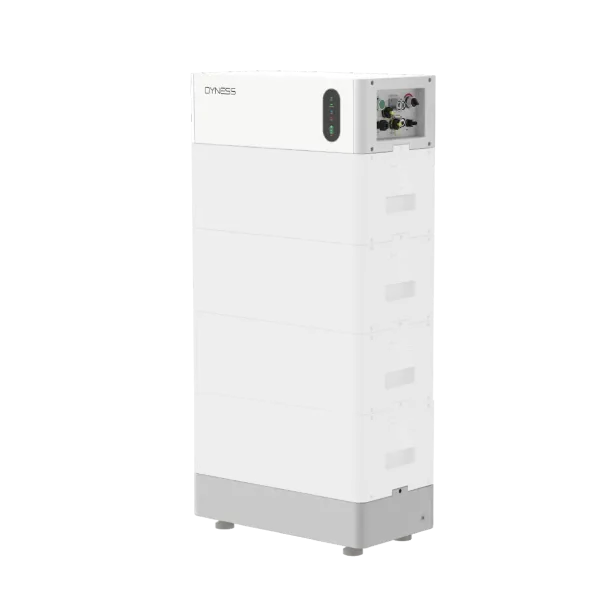
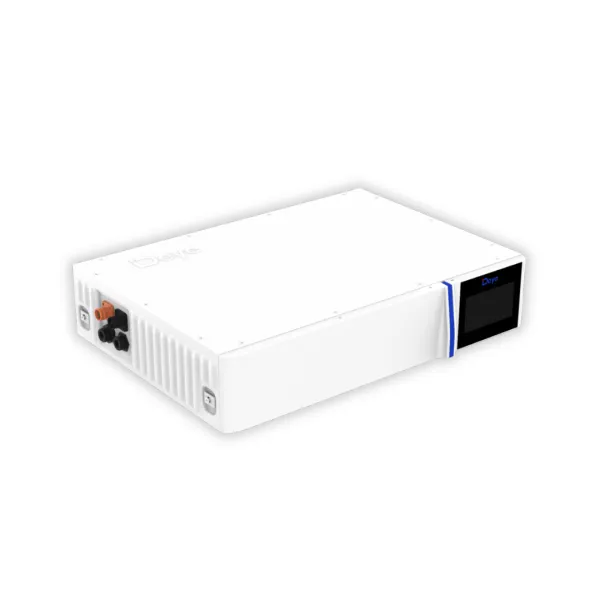
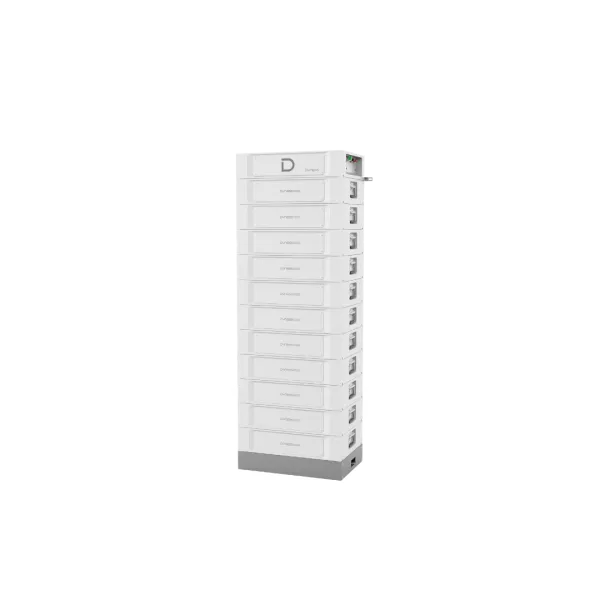
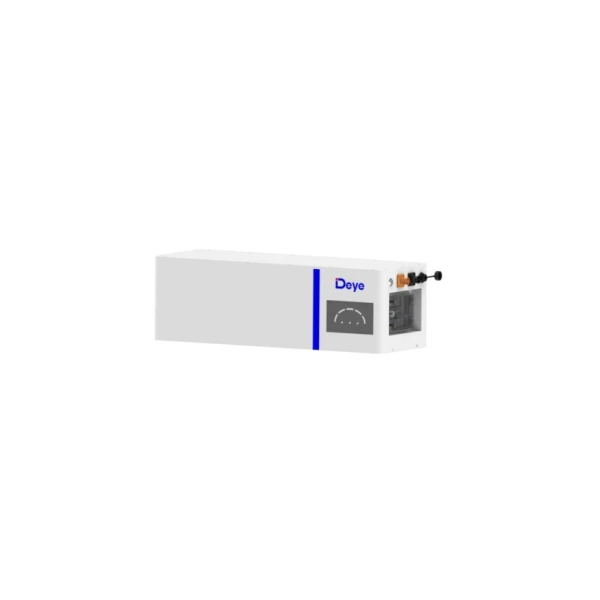
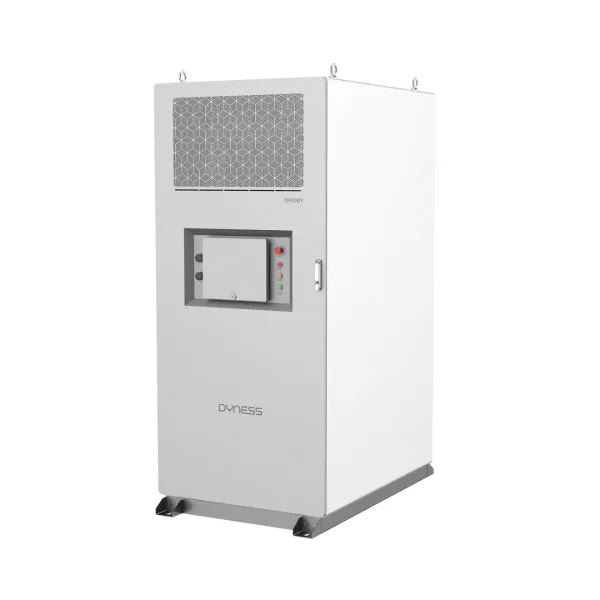
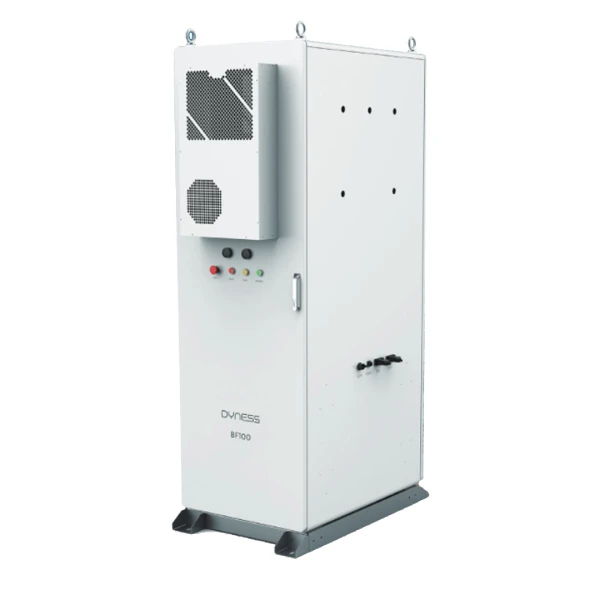
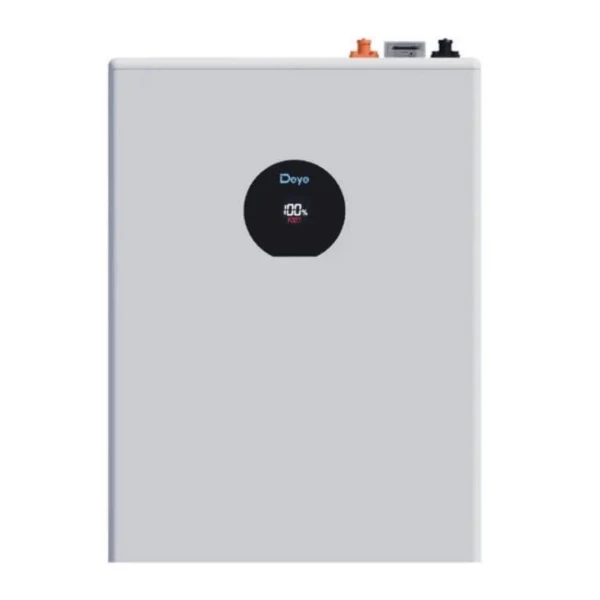
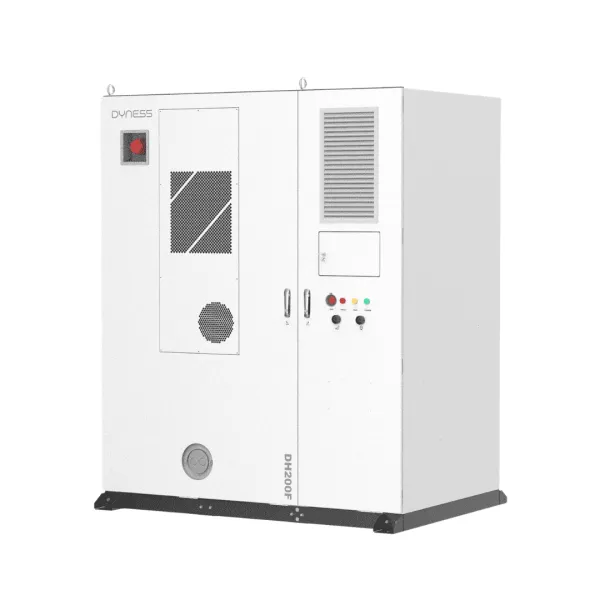
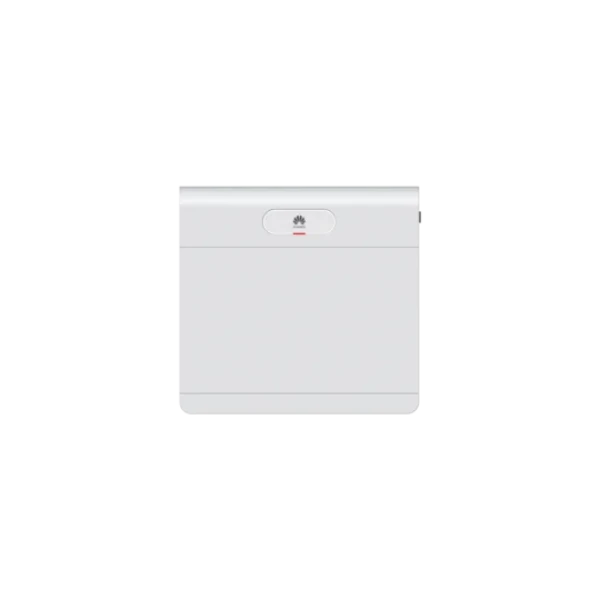
The main element of the 2026 residential support scheme is the household energy storage system, which aims to store solar energy and optimize its use. The tender primarily supports the installation of battery energy storage systems with a minimum capacity of 10 kilowatt hours (kWh), which enable more efficient use of the energy generated by solar panel systems.
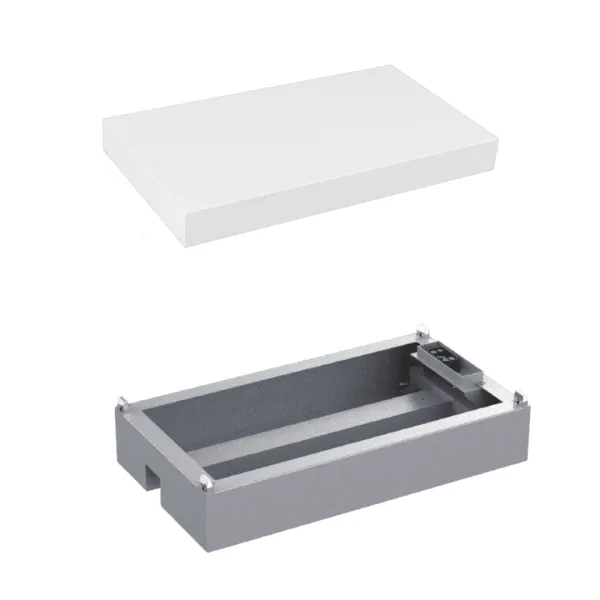
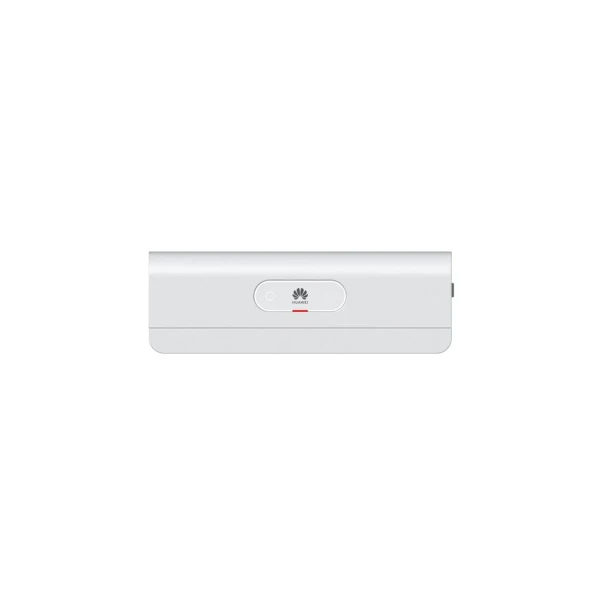
These systems consist of batteries that are capable of storing the electricity generated and then using it later, for example in the evening or in bad weather conditions. The subsidy covers not only the purchase of the battery, but also its installation and the associated control system, thus providing households with a complete solution to meet their storage needs.
Technical and financial conditions of the tender
The central element of the financial conditions of the residential energy storage program is a non-repayable state subsidy, which can amount to up to HUF 2.5 million per household. Based on current market prices, this amount can cover the purchase and installation of a storage unit with an average capacity of ≈10-20 kWh, which can cover up to 100 percent of the investment cost.
To qualify for the subsidy, the applicant household must prove technical compliance and that the system meets the requirements of the call for applications. This includes meeting capacity requirements, having or installing a solar panel system, and submitting the necessary documentation.
Key technical requirements of the tender (summary)
The detailed technical requirements are included in the official call for applications, but based on the conditions known so far, the following should be taken into account:
- The minimum capacity of the energy storage system is 10 kWh (a maximum deviation of 10% is permitted).
- There is no upper capacity limit.
- In the case of inverter replacement, a maximum deviation of 20% is allowed, but no more than +1 kW.
-
Inverter replacement is typically necessary if the existing inverter is not three-phase, not hybrid, and not asymmetrical.
-
Examples:
-
5 kW → 6 kW (+20% = +1 kW) allowed
-
10 kW → 12 kW (+20% = +2 kW) not permitted (because it exceeds the +1 kW limit)
-
-
- When installing a new solar panel system, the maximum power of the inverter can be 5 kW.
- The total power of the solar panels may not exceed 120% of the inverter's power.
How much funding is available?
The total budget for the 2026 residential energy storage tender is HUF 100 billion, which will provide funding opportunities for a large number of households.
A household can apply for a maximum of HUF 2.5 million in non-repayable subsidies for the installation of an energy storage system, which practically covers most of the purchase and installation costs of an average 10 kWh capacity system – it is worth consulting an experienced installation company about the exact design and requirements.
The subsidy intensity is high, which means that the investment's own resource requirements are quite low. In the long term, this helps households develop more sustainable energy use practices and maximize the utilization of the green energy they produce, especially when combined with a solar panel solution.
How to submit an application step by step
0. PREPARATION (FROM JANUARY 15, 2026)
- Fill out the letter of intent and application form.
1. CHECKING CUSTOMER PORTAL LOGIN DETAILS
-
If you do not have a customer portal, you will need to create one.
2. FILLING OUT THE APPLICATION FORM (FEBRUARY 2 - MARCH 15, 2026)
-
The applicant or their representative must complete the application form at otthonienergiatarolo.neuzrt.hu.
3. PROCESSING AND EVALUATION (MARCH 15, 2026 - UNTIL THE APPLICATION AMOUNT IS EXHAUSTED)
-
The sponsor will evaluate the applications in stages.
4. SUBMISSION OF APPLICATION FOR CONNECTION TO THE ELECTRICITY SUPPLIER (MARCH 16, 2026 - SEPTEMBER 30)
-
After the successful application phase.
5. VERIFICATION PHASE (MARCH 16 - SEPTEMBER 30, 2026, UNTIL THE APPLICATION AMOUNT IS EXHAUSTED)
-
Applicants submit predefined attachments.
6. EVALUATION (MARCH 16 - SEPTEMBER 30, 2026, Applications will be evaluated in the order in which they are received)
-
The sponsor sends confirmation that the application has been accepted.
7. SUPPORT DOCUMENT (MARCH 16, 2026 - SEPTEMBER 30, Applications will be evaluated in the order in which they are received)
-
The sponsor will send the sponsorship document, confirming that the application has been accepted.
8. IMPLEMENTATION OF THE INVESTMENT:
-
8.1 Advance payment: Advance payment based on the contractor's invoice.
-
8.2 Technical consultation: Expert colleagues check the conditions on site.
-
8.3 Technical and economic information: Submission of connection request, receipt of technical and economic information.
-
8.4 Preparation of connection plan documentation: We start the licensing process with the appropriate documentation.
-
8.5 Installation of the solar panel system: On the day of installation, the contractor team carries out the installation.
9. READY REPORT
-
SOLARKIT carries out this process.
10. ISSUING A PARTIAL INVOICE
-
Issuing a partial invoice for self-financing if the cost exceeds HUF 2.5 million gross.
11. ELECTRICITY SUPPLIER CONTRACT MODIFICATION AND METER REPLACEMENT
-
After successful completion of the report, the electricity supplier will send this within 15 days.
12. ISSUING THE FINAL INVOICE
-
Payment based on the contractor's final invoice, which the beneficiary transfers to the contractor in the amount of HUF 1,500,000.
13. SUBMISSION OF SETTLEMENT
-
Submission of the settlement on the application platform, thus concluding the project.
14. MAINTENANCE PERIOD
-
The investment made with the grant must be maintained for 3 years.
Common mistakes made when preparing a residential solar energy storage program
Many applications are rejected or requested to be supplemented due to incomplete documentation. A common mistake is that applicants do not upload all the necessary technical descriptions or do not certify the existence or planned installation of the solar panel system. Administrative inaccuracies, such as incorrectly completed forms or missing signatures, also often lead to rejection. One of the most important things is that all uploaded files are legible and meet the technical requirements of the system.
In addition, applicants sometimes fail to adequately document the technical parameters of the energy storage system or to prove that it is compatible with the existing solar system. For this reason, it is advisable to have the technical plans and documentation reviewed by an expert before submitting the application in order to avoid these common mistakes.
Is it worth applying? Long-term benefits and return on investment
The residential energy storage grant not only provides one-time support, but also offers long-term benefits for households. With the help of an energy storage system, a larger portion of the energy generated by the solar panel system can be used for personal purposes, which can significantly reduce electricity bills. In addition, energy storage allows households to be less vulnerable to energy price fluctuations, resulting in more predictable and stable energy costs.
Furthermore, systems with energy storage increase the value of the property, as there is now greater demand for modern, energy-efficient homes. With energy storage, households not only enjoy financial benefits, but also contribute to environmental sustainability — which may be particularly important in terms of future property values and utility costs.
SOLARKIT tips: Energy storage combined with solar panel systems
Combining residential solar energy storage systems with solar power solutions is an ideal way to maximize energy efficiency and minimize dependence on the external grid. A properly sized energy storage system helps to ensure that the electricity generated during the day can be used as much as possible even when there is no sunshine. This is particularly beneficial for households that are often at home or use energy-intensive appliances in the evenings.
When considering an energy storage system, it is worth taking into account consumption habits, the capacity of the solar panel system, and the possibility of future expansion. SOLARKIT experts recommend choosing a system with intelligent control, so that the system automatically provides the most optimal energy distribution for your household. It is also important that the system is always installed by a qualified, certified installer—not only for warranty and safety reasons, but also because the application conditions require proper professional installation.
At this point, it is clear that the residential energy storage program not only provides short-term assistance, but also offers long-term benefits that will steer your household toward energy independence , especially when combined with solar panel systems.